
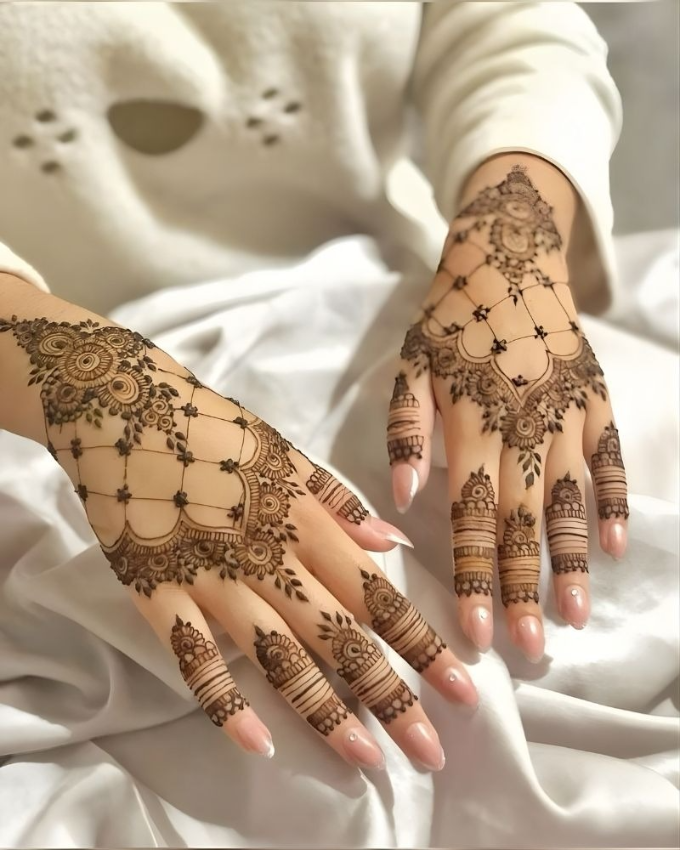
Whether you are preparing for a wedding, Eid, a festive celebration, or simply want to elevate your everyday style, a royal front hand mehndi design is one of the most powerful ways to express elegance and tradition. Mehndi has been a part of South Asian and Middle Eastern culture for thousands of years, and today it continues to evolve into breathtaking art forms that blend heritage with modern aesthetics.
In this comprehensive guide, we cover everything you need to know from classic royal mehndi designs to easy modern back hand patterns, stylish full hand art, and Instagram-trending styles that are capturing hearts across the globe.
What Makes a Mehndi Design Truly ‘Royal’?
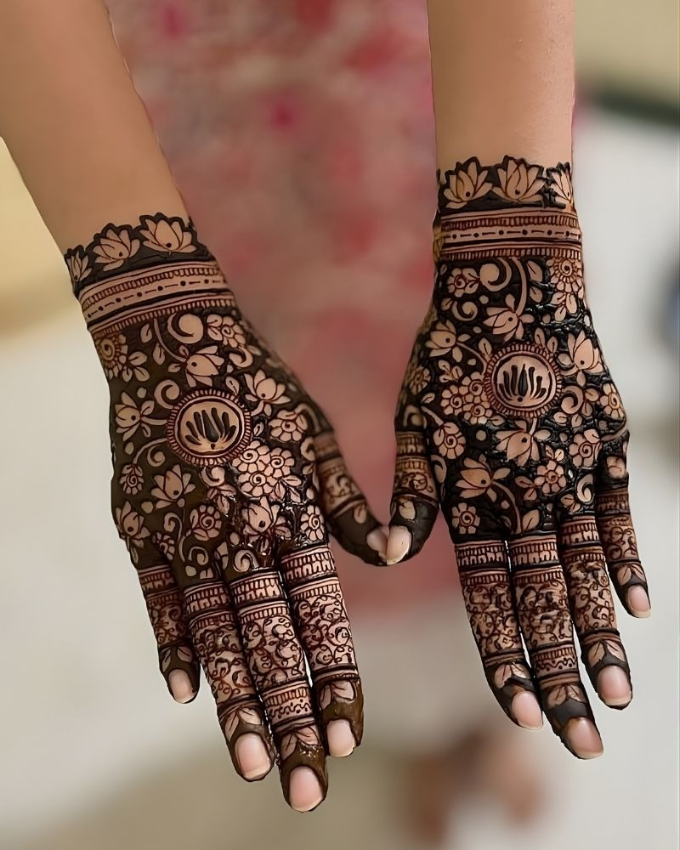
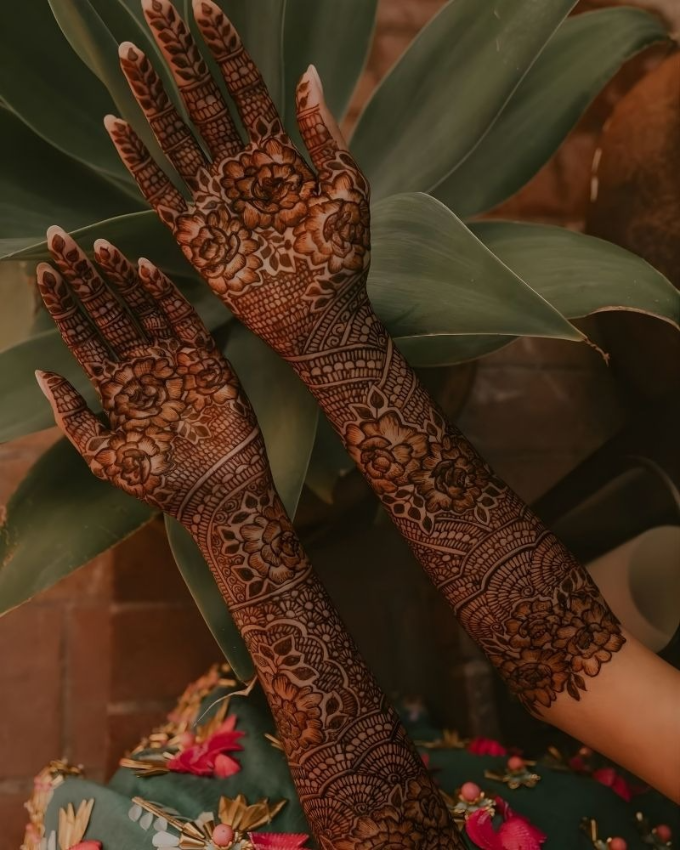
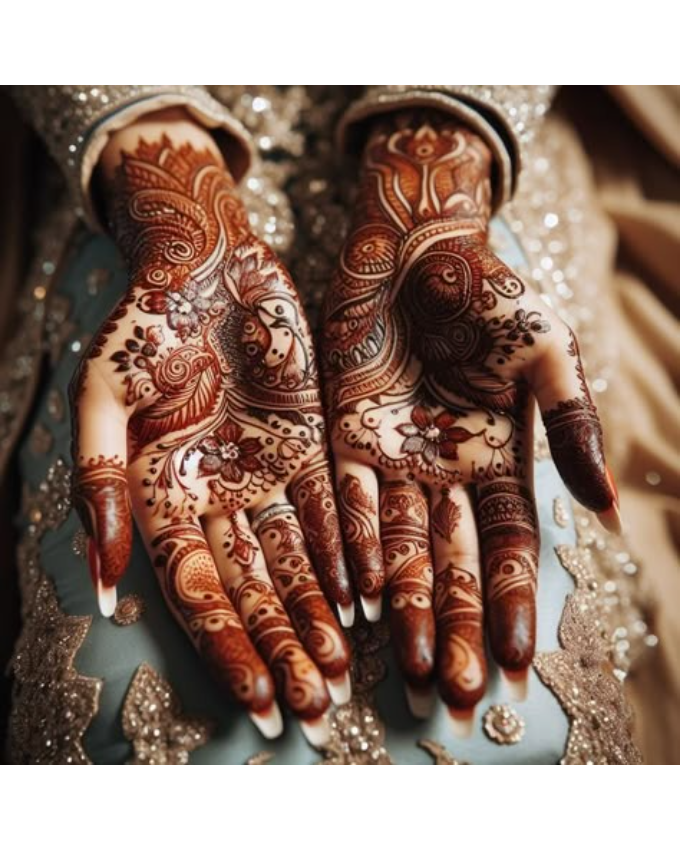
The term ‘royal’ in mehndi art refers to designs that exude grandeur, intricacy, and a sense of luxury. A genuine royal mehndi design is not just about covering the hand it is about telling a story through every swirl, floral motif, and geometric pattern. These designs are characterised by:
- Dense, layered patterns that cover most of the palm and fingers
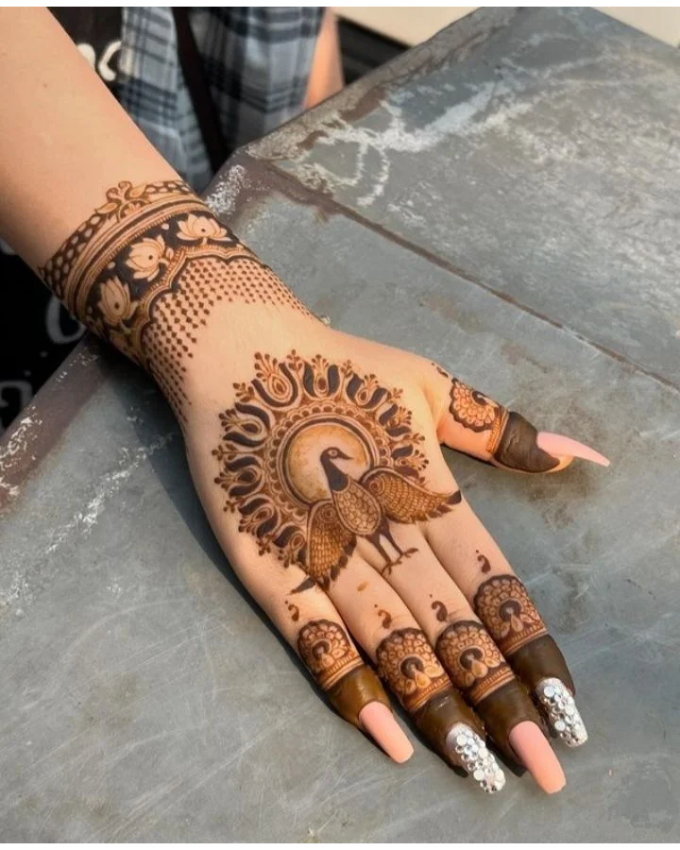
- Intricate peacock, lotus, or kalash (pot) motifs at the centre
- Fine detailing with thin lines and delicate shading
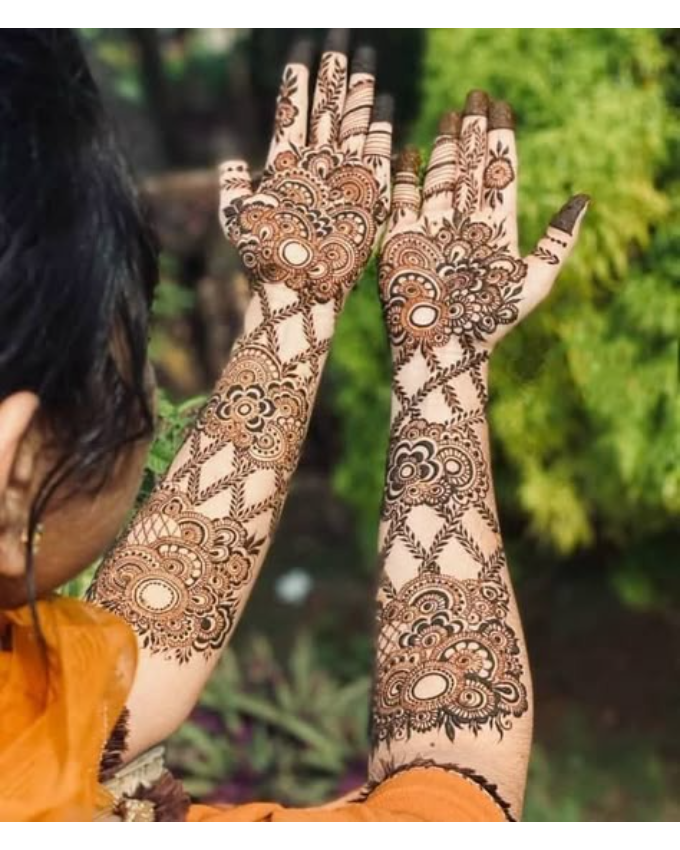
- A seamless flow from fingertips to the wrist and often up the forearm
- Traditional motifs combined with contemporary geometric elements
A well-executed royal front hand mehndi design transforms the hand into a canvas of artistry, making the wearer feel regal and special on any occasion.
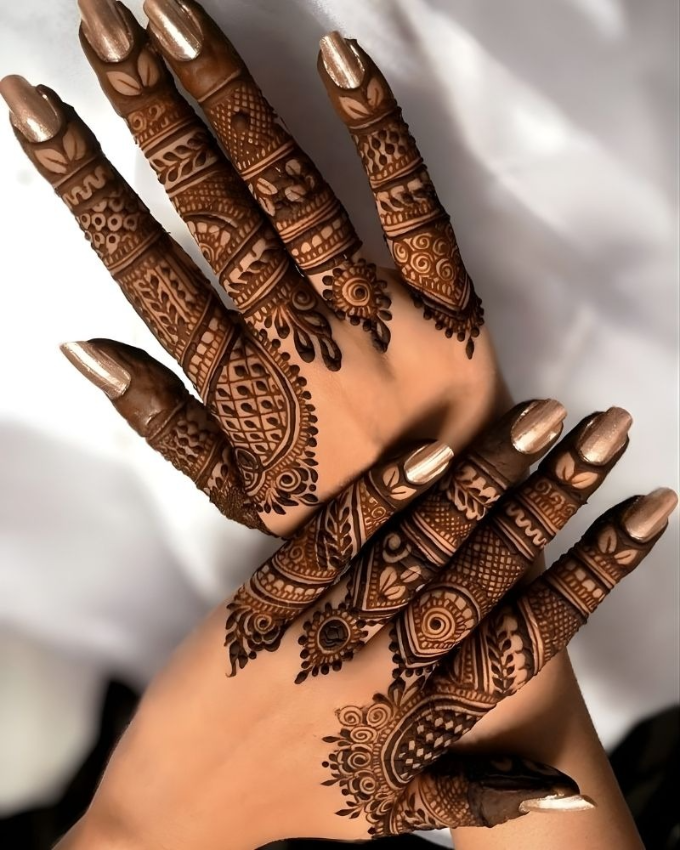
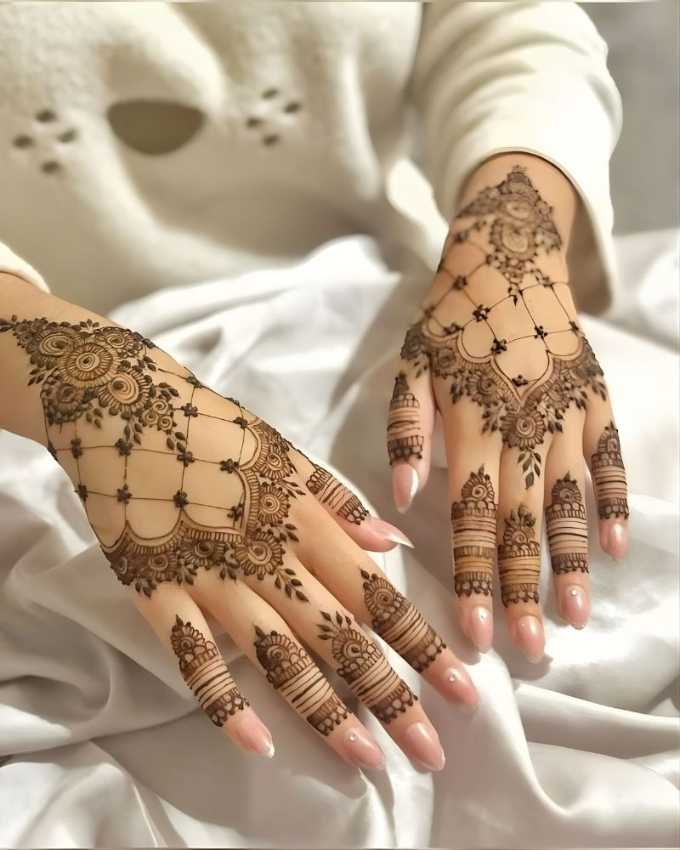
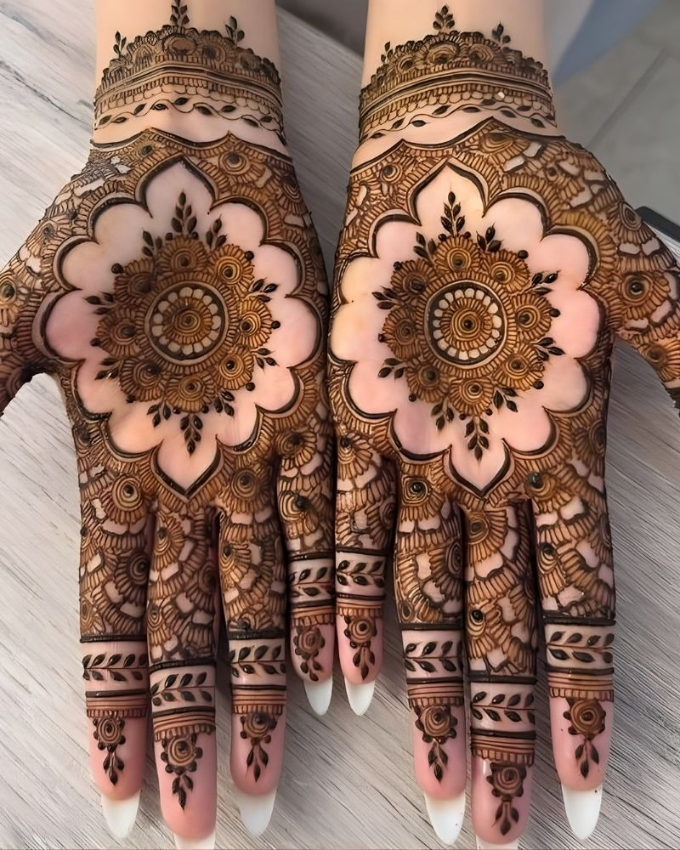
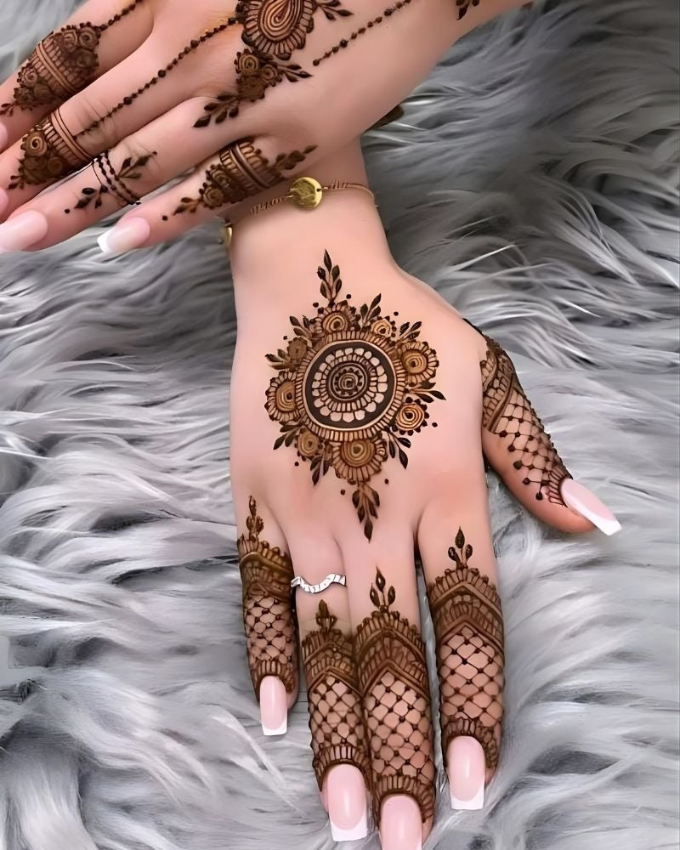
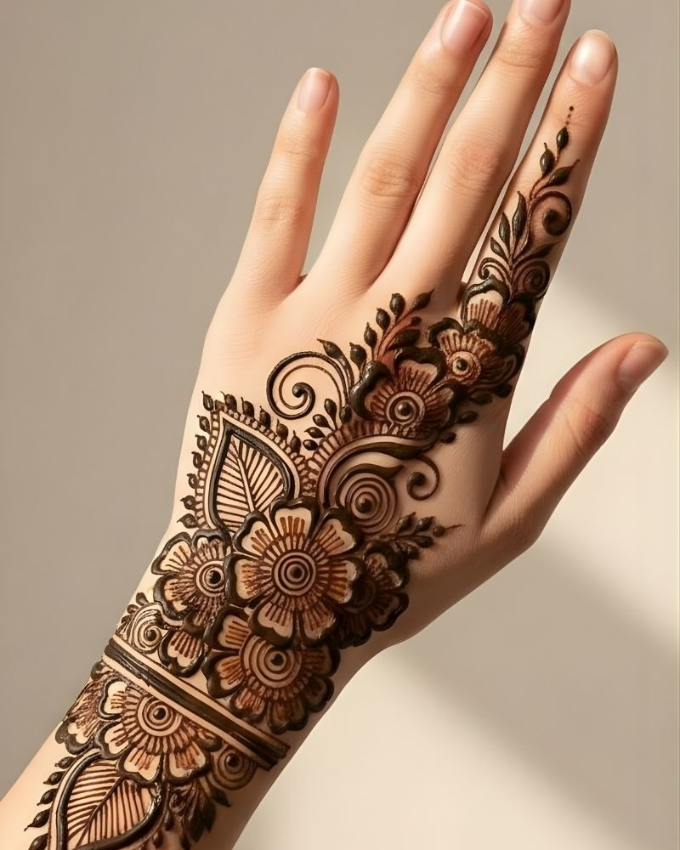
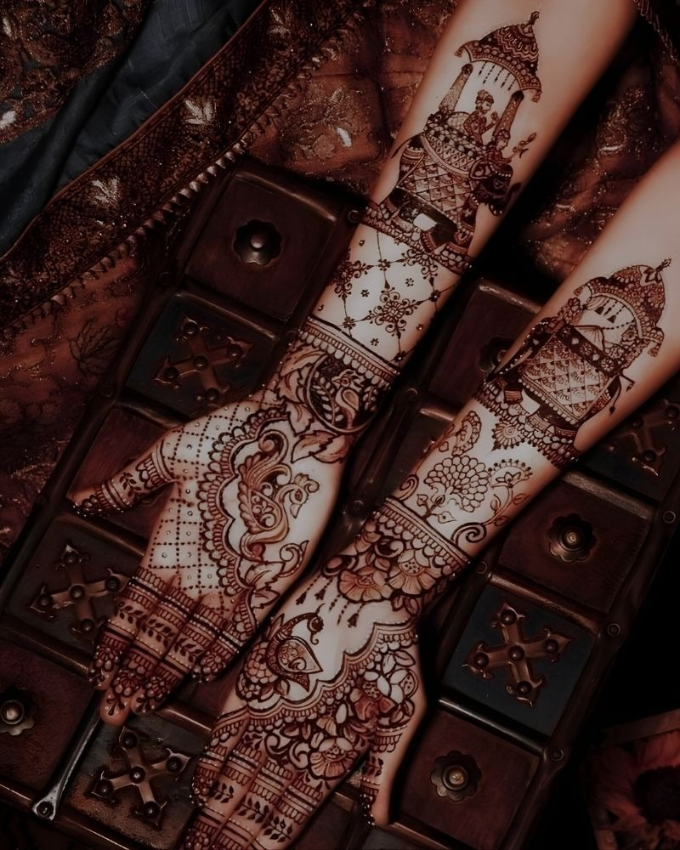
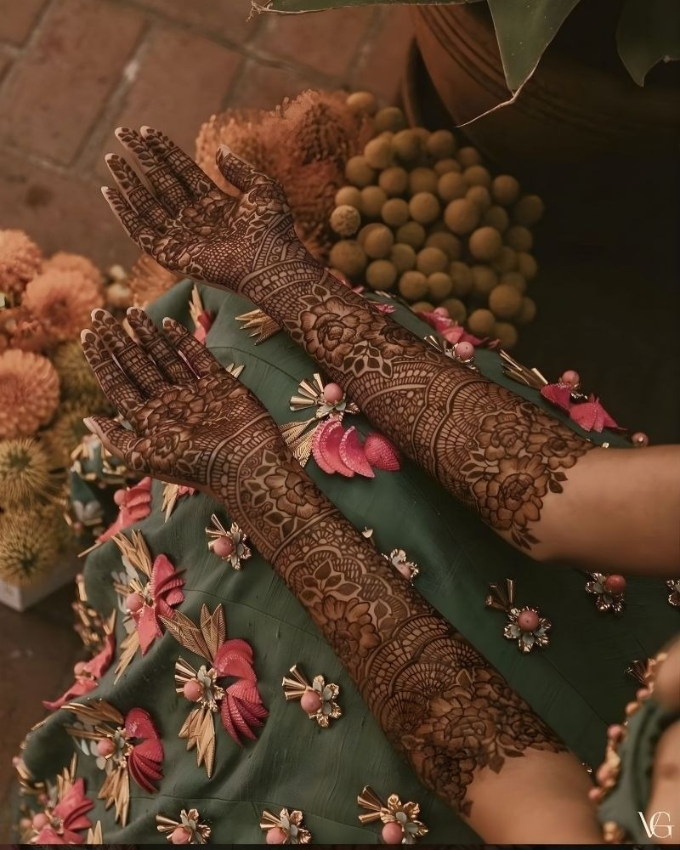
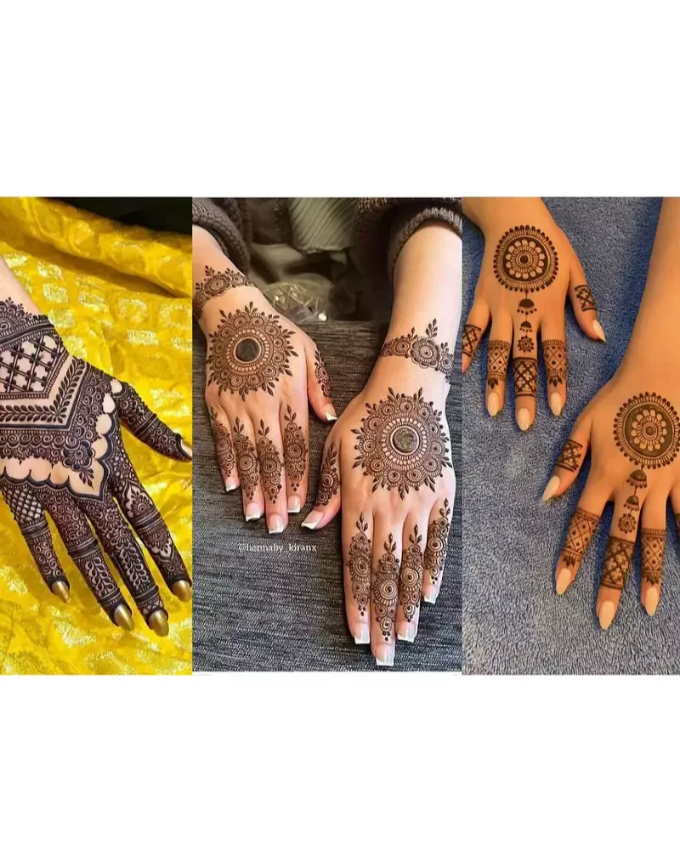
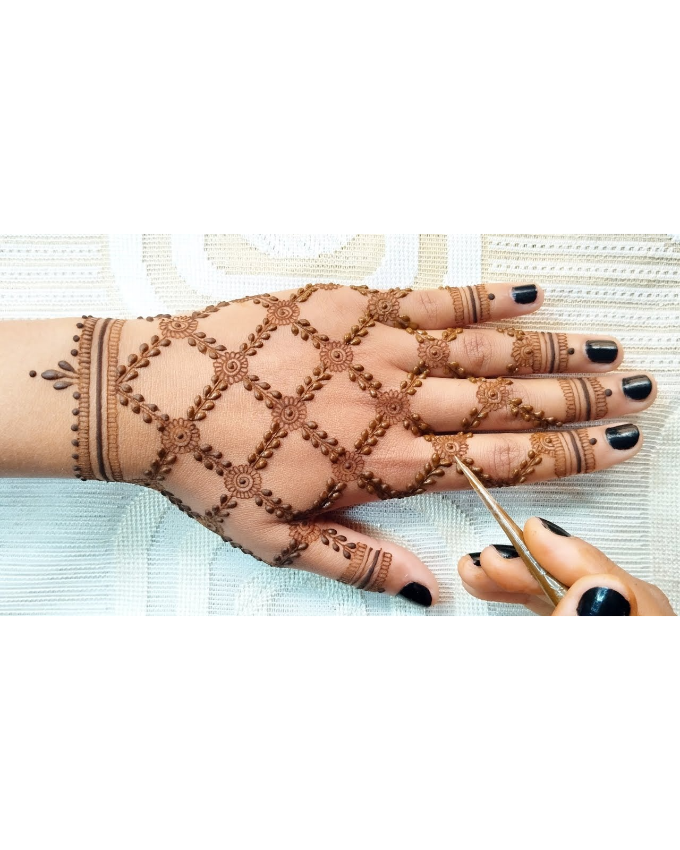
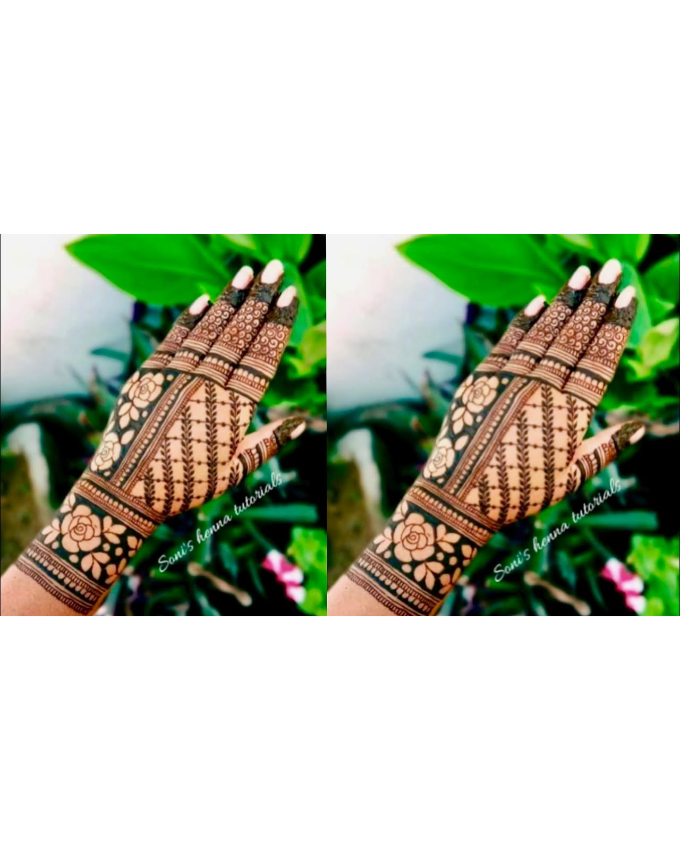
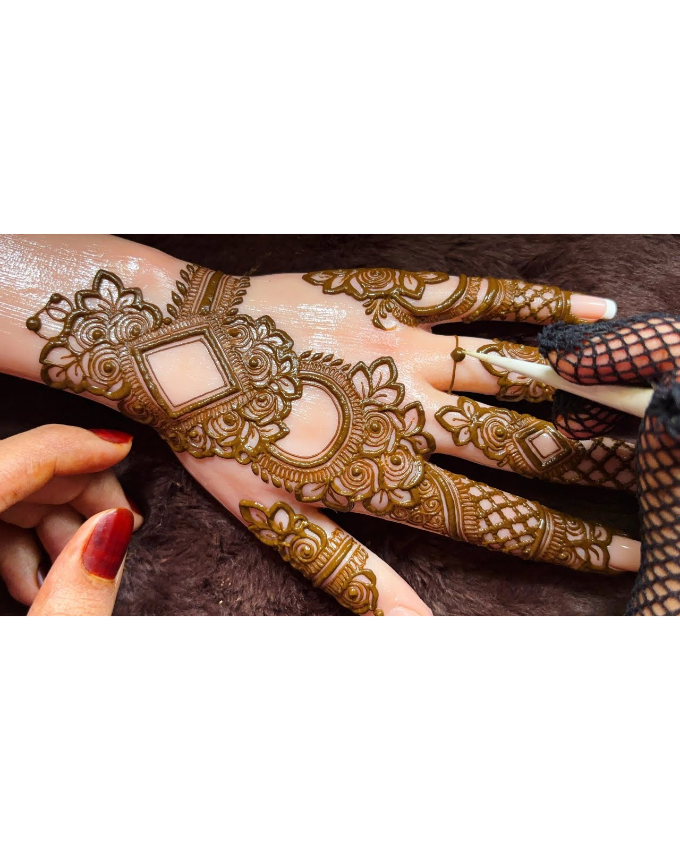
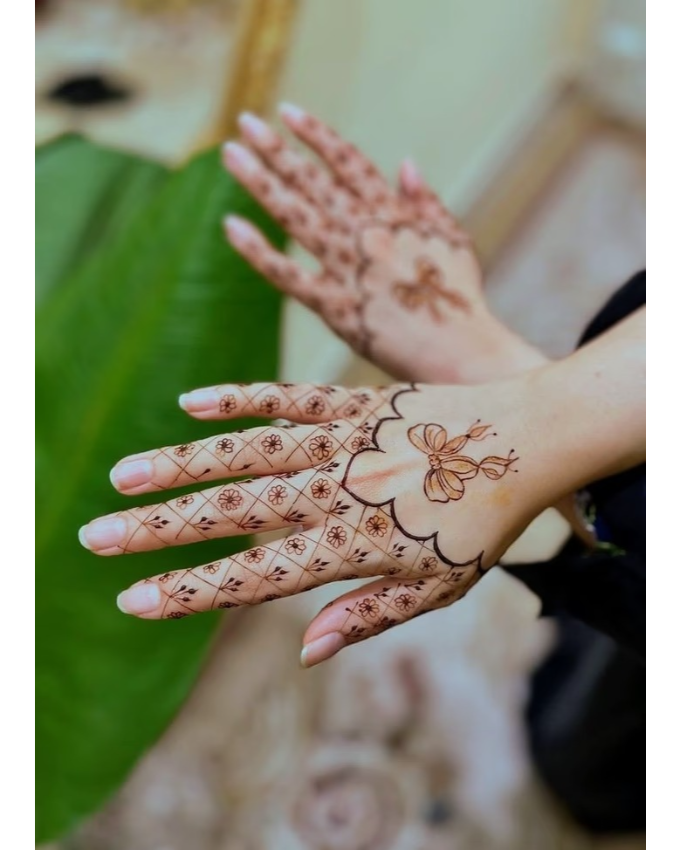
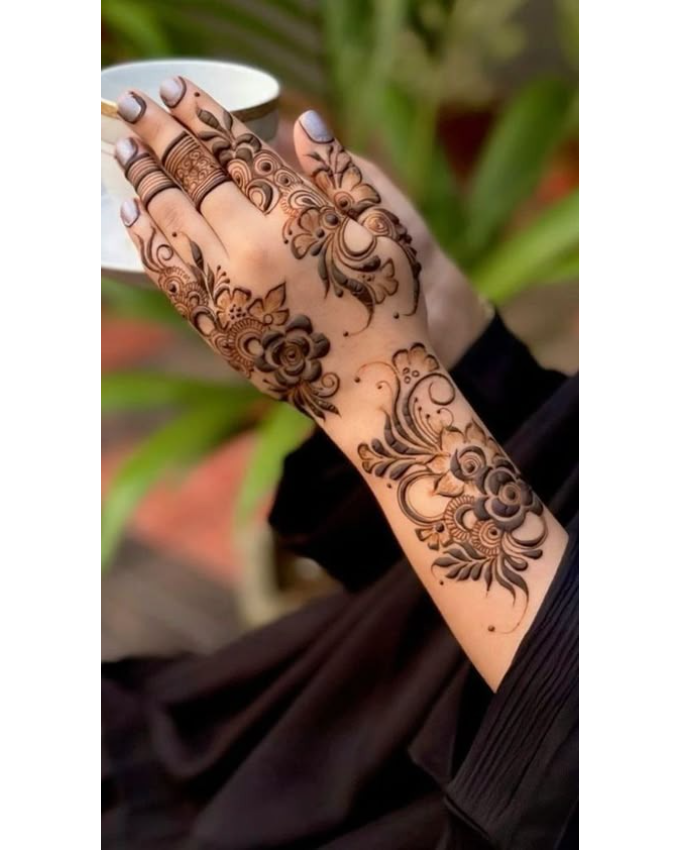
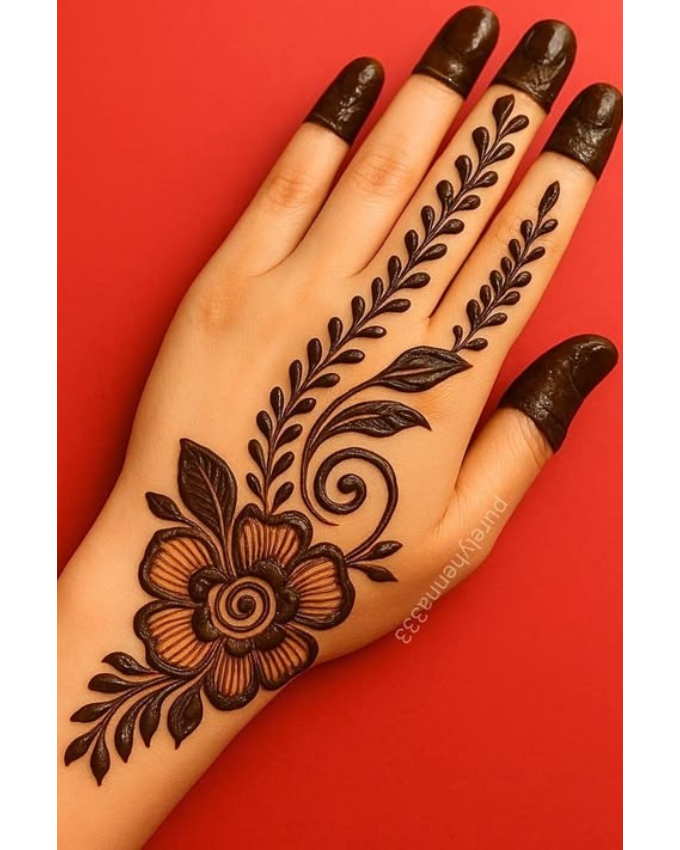
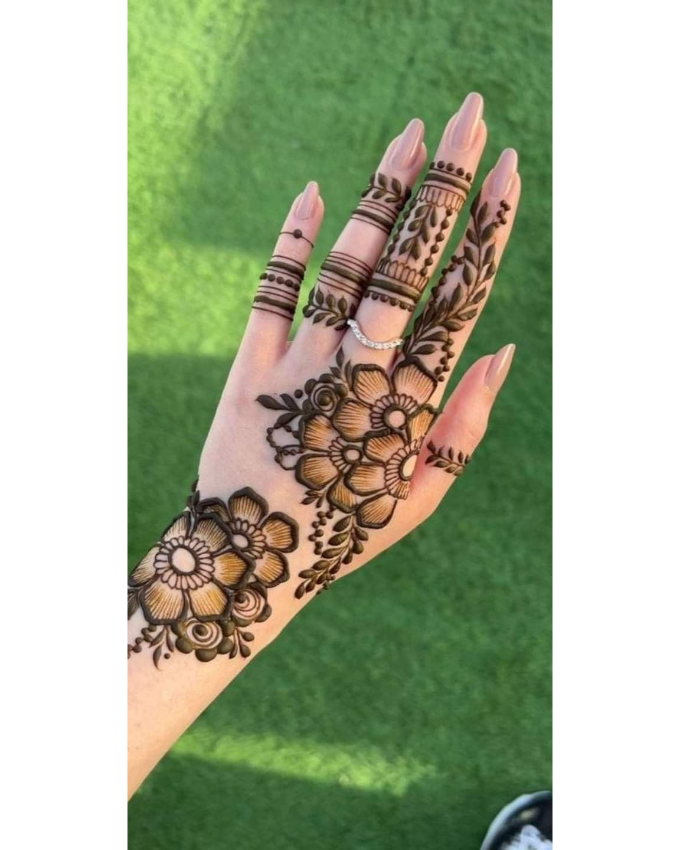
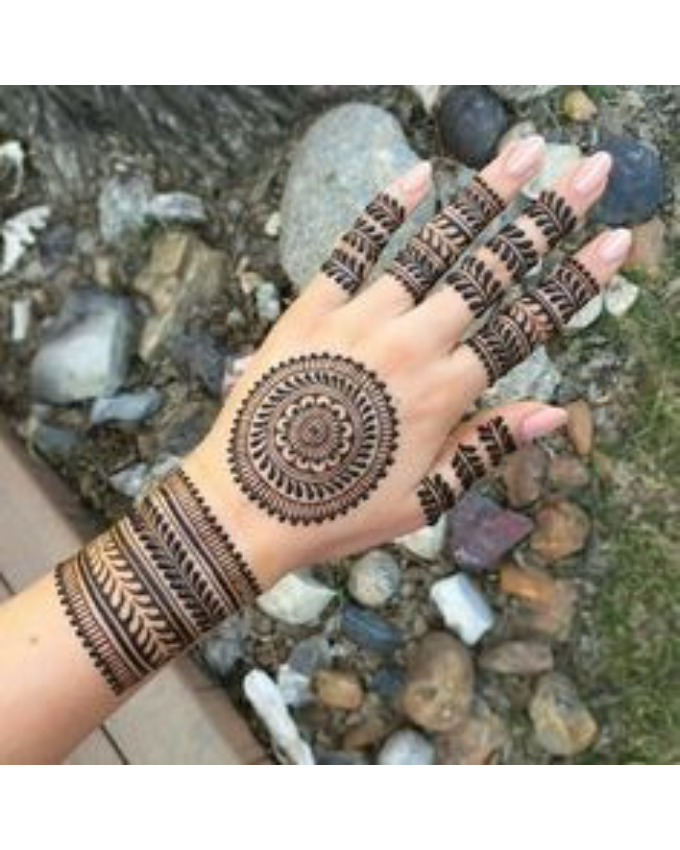
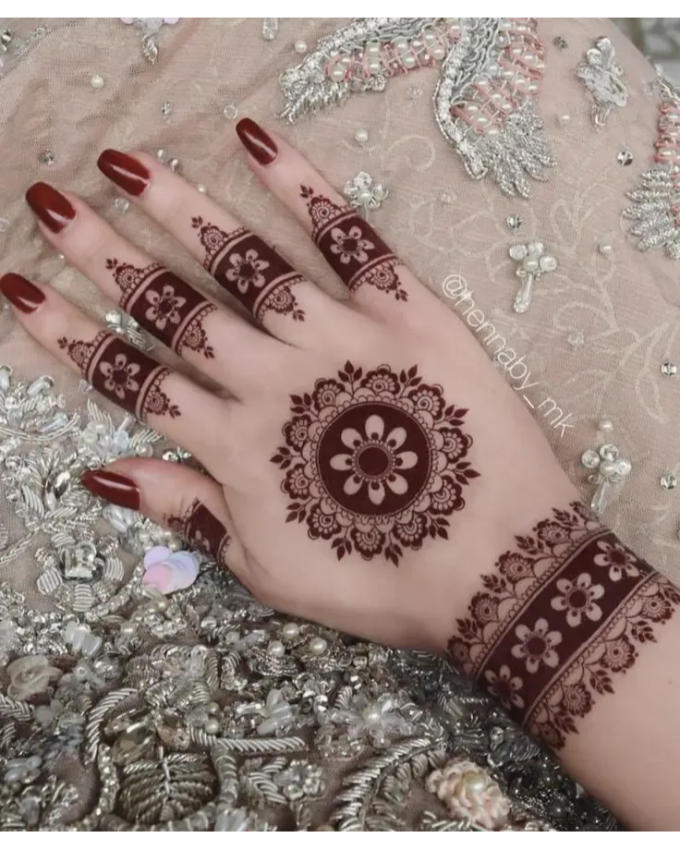
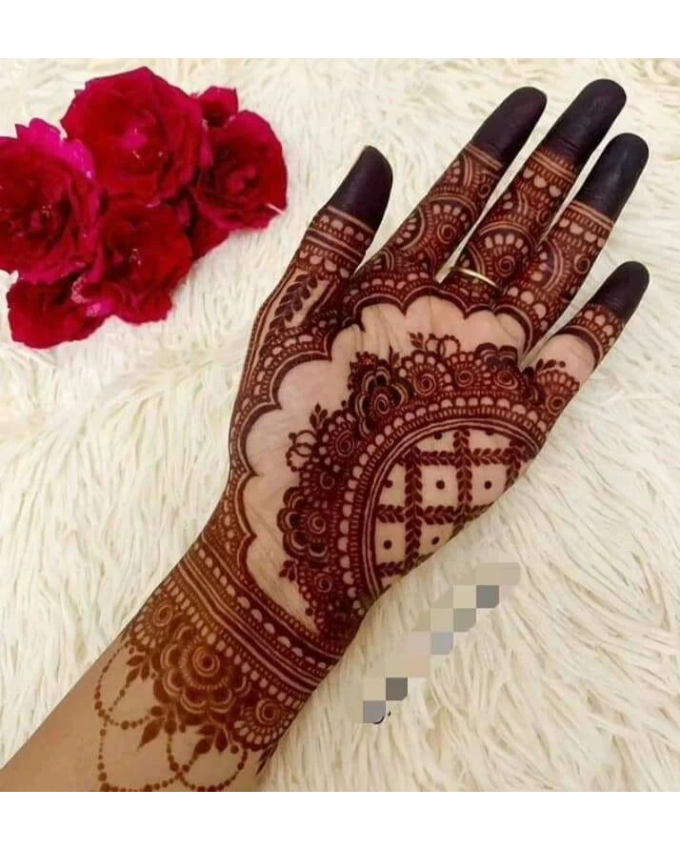
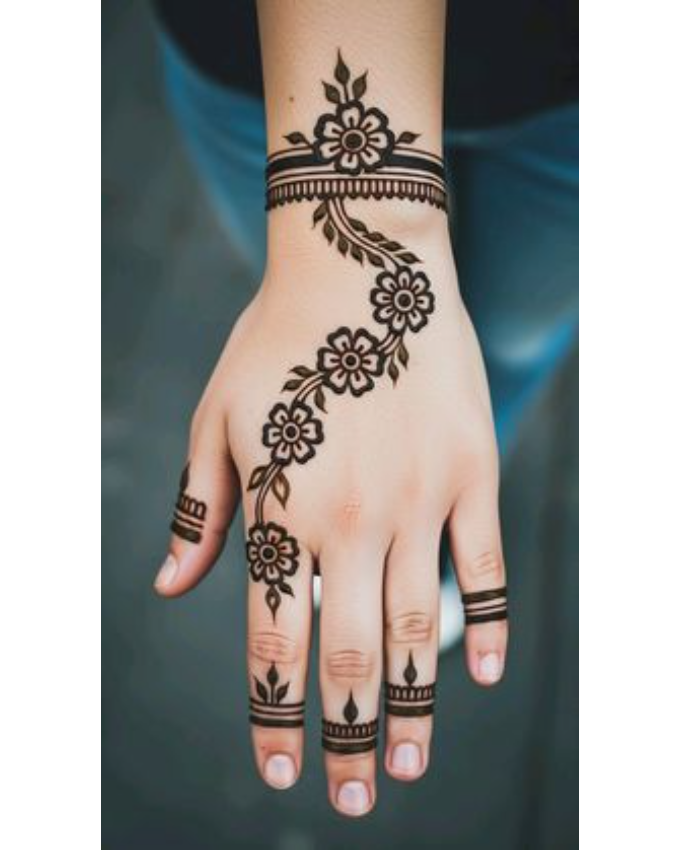
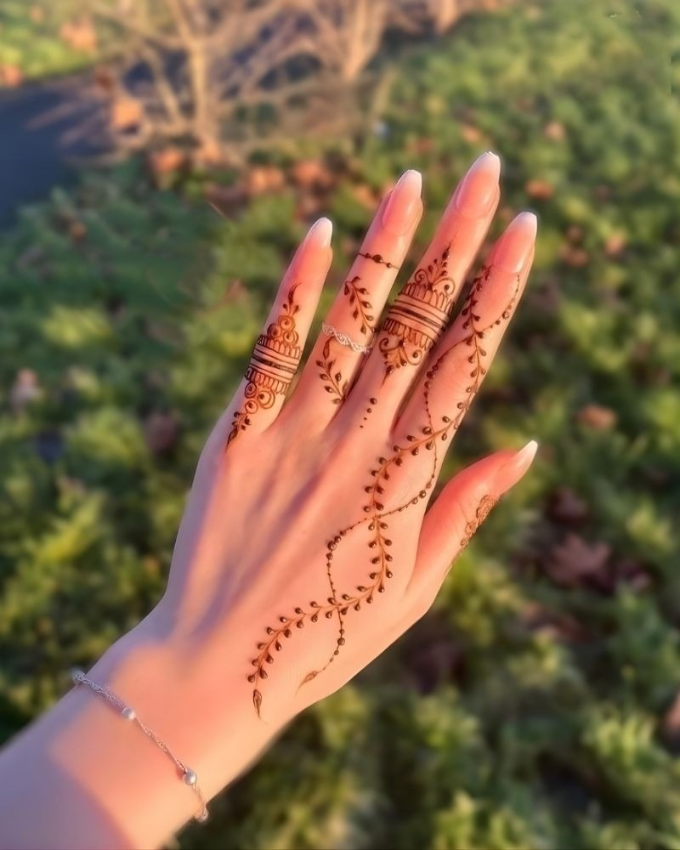
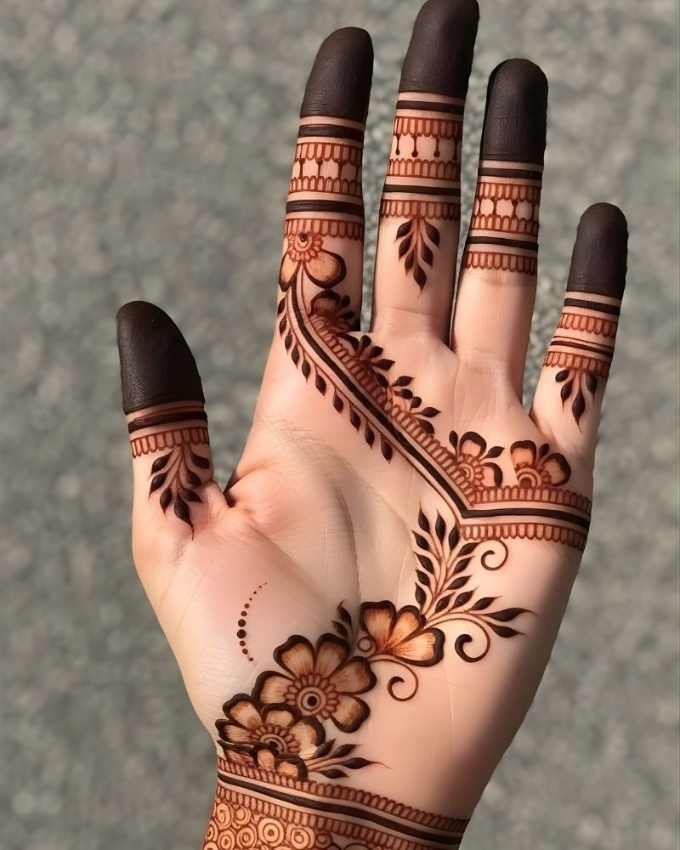
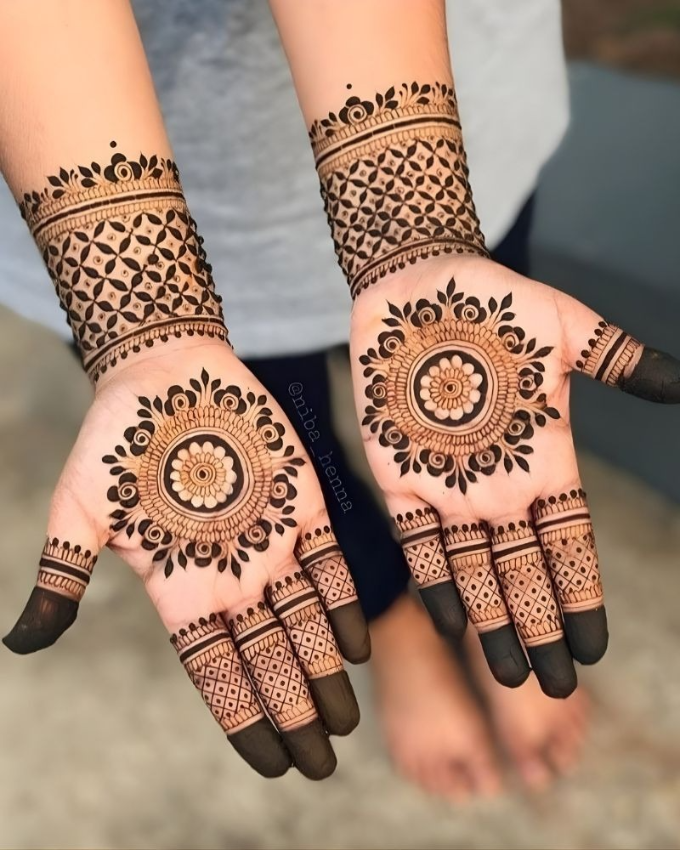
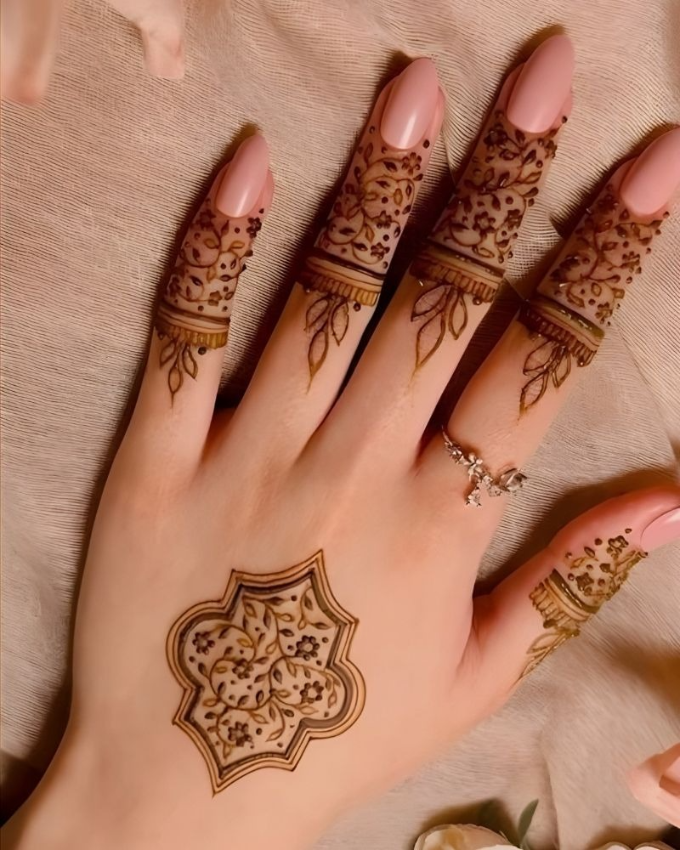
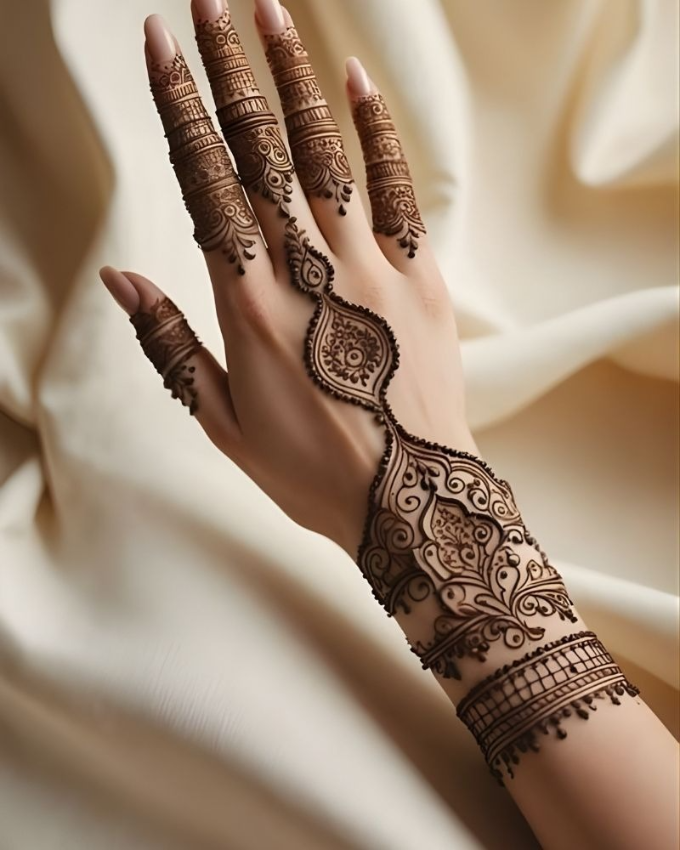
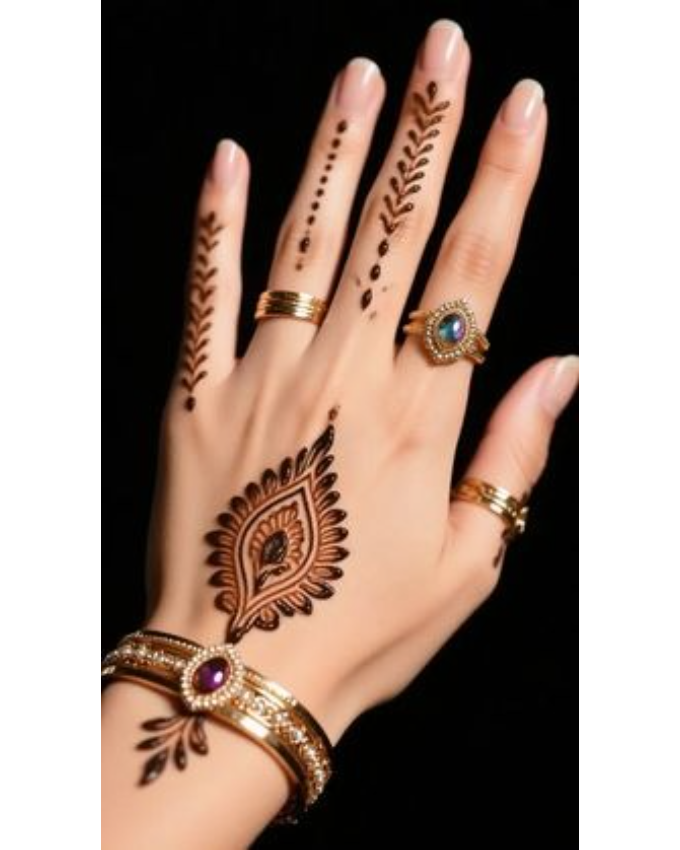
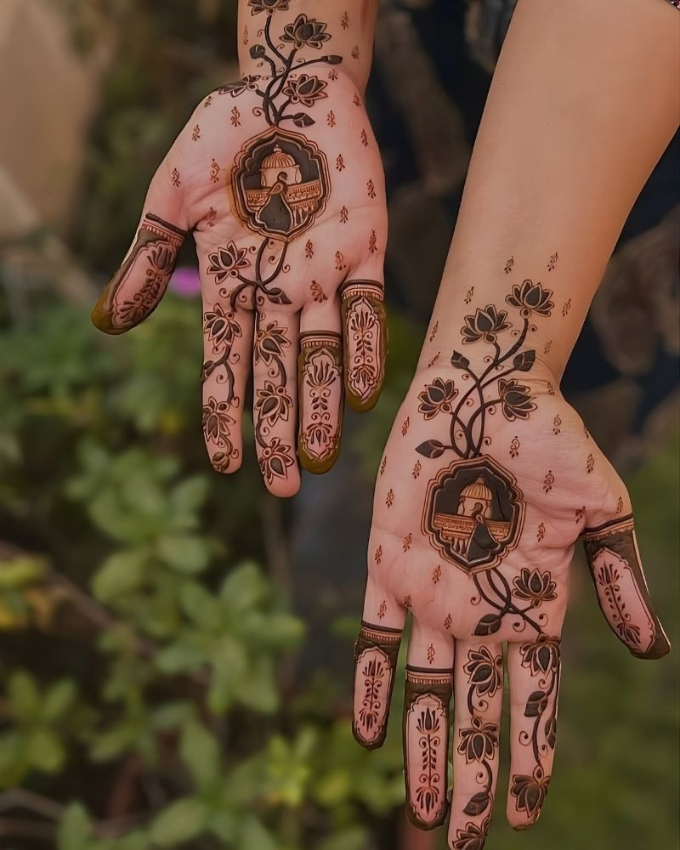
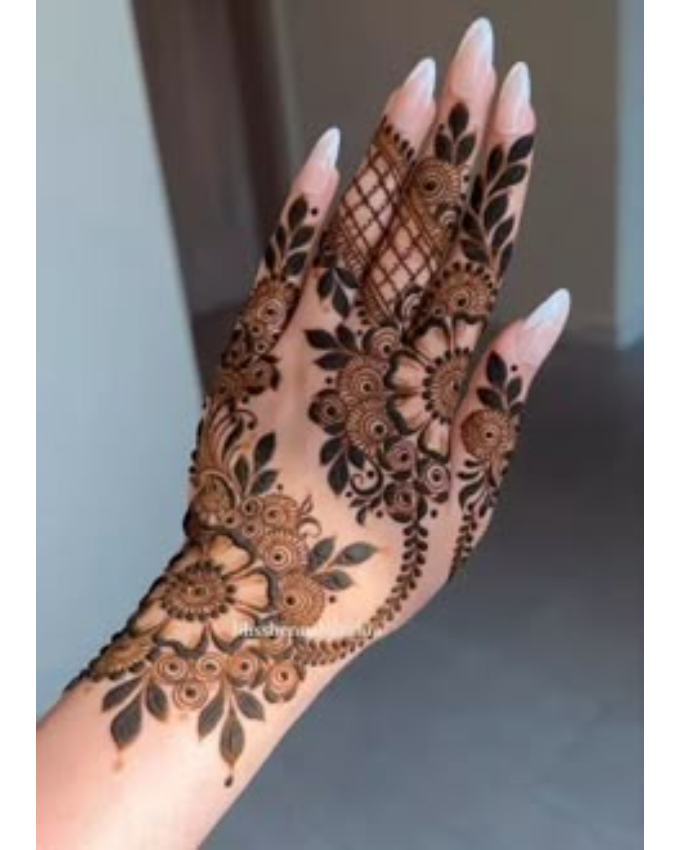
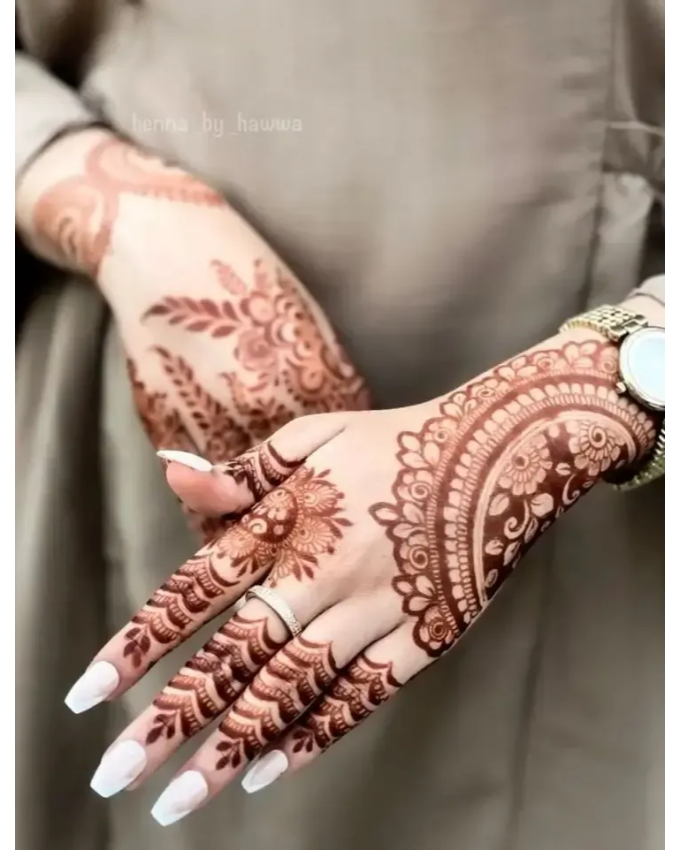
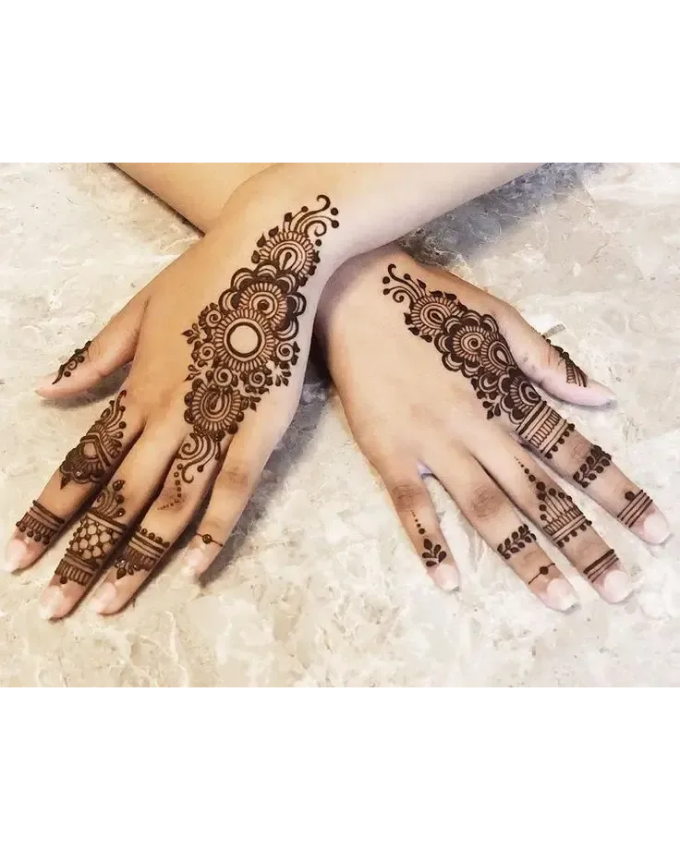
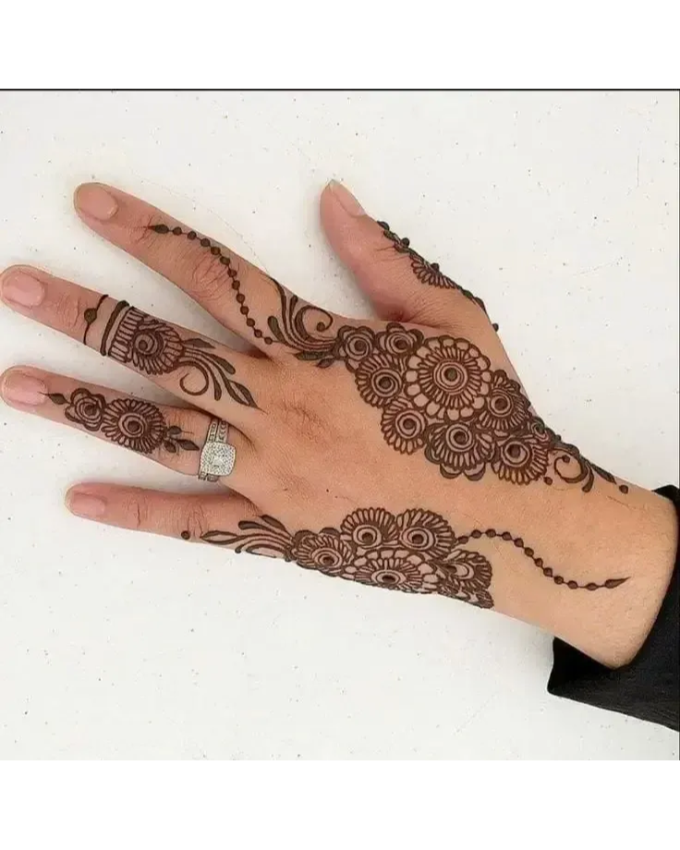
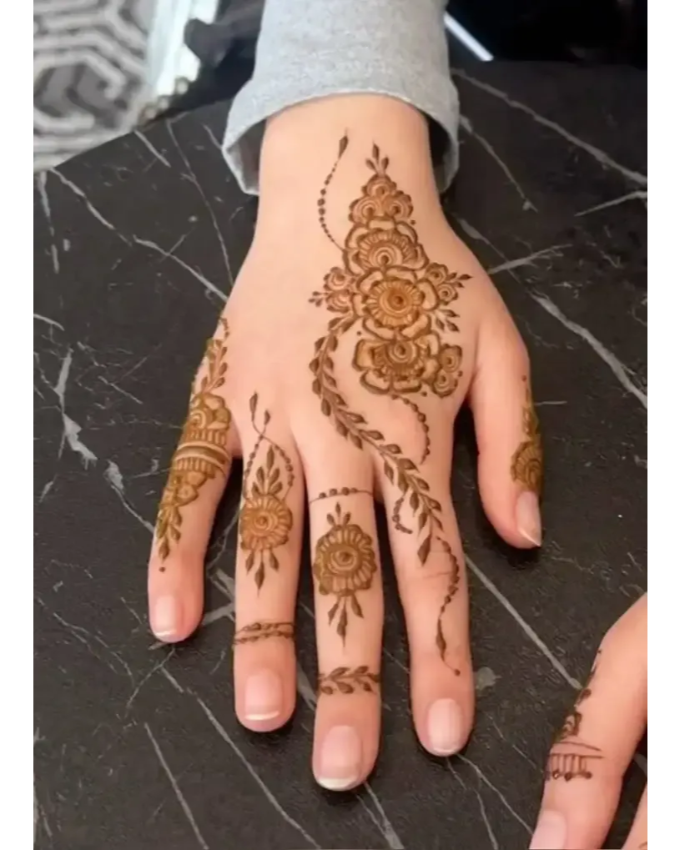
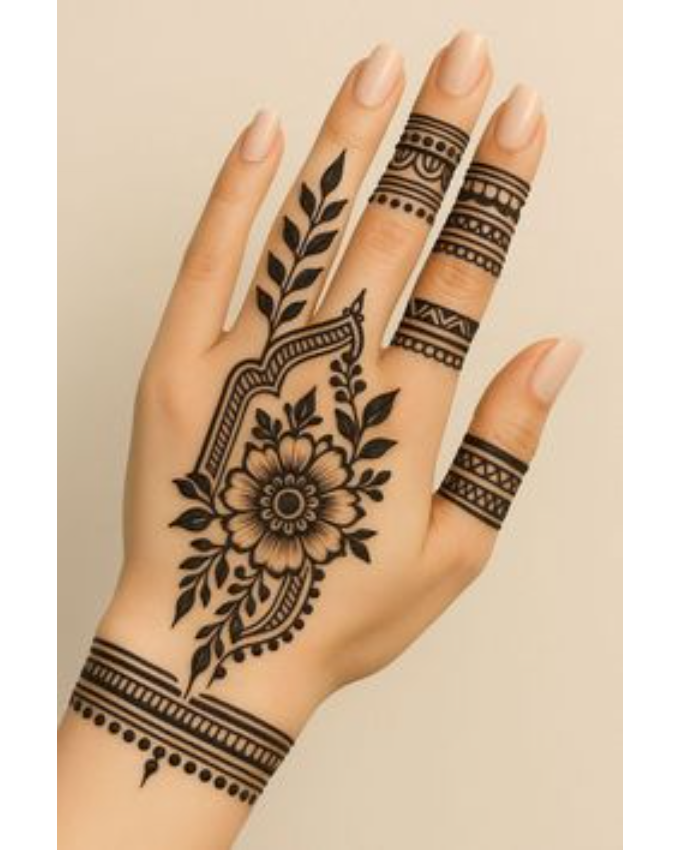
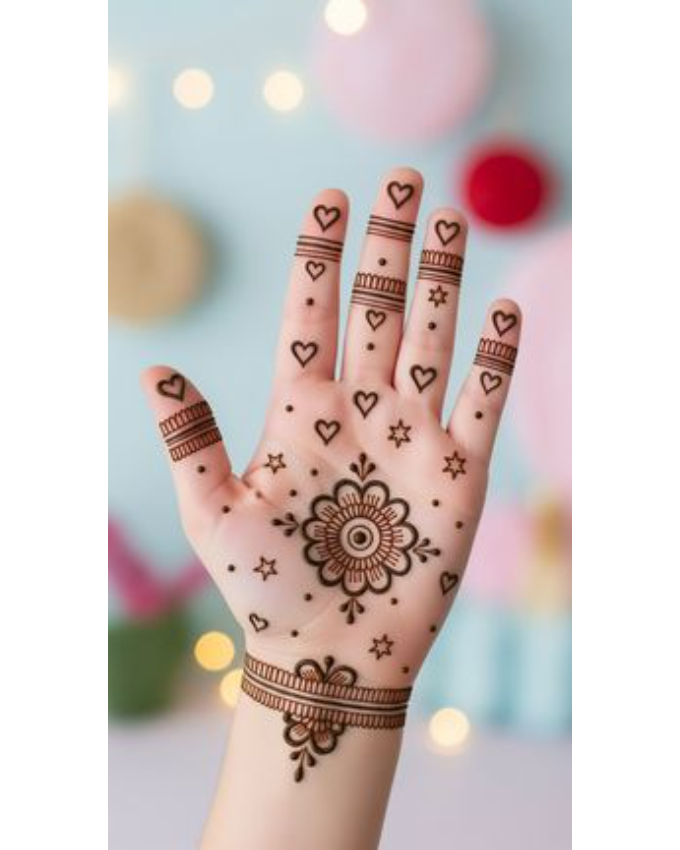
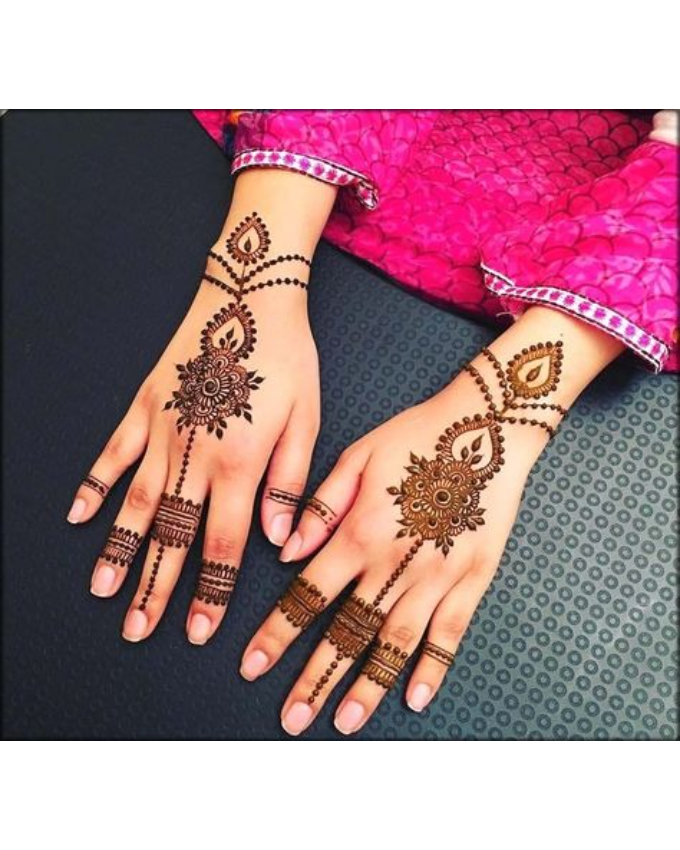
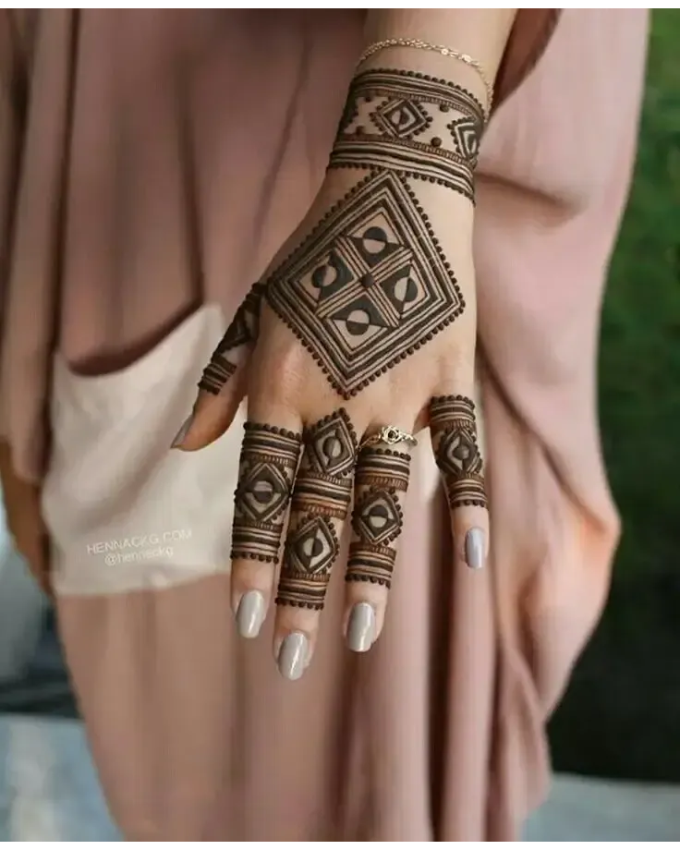
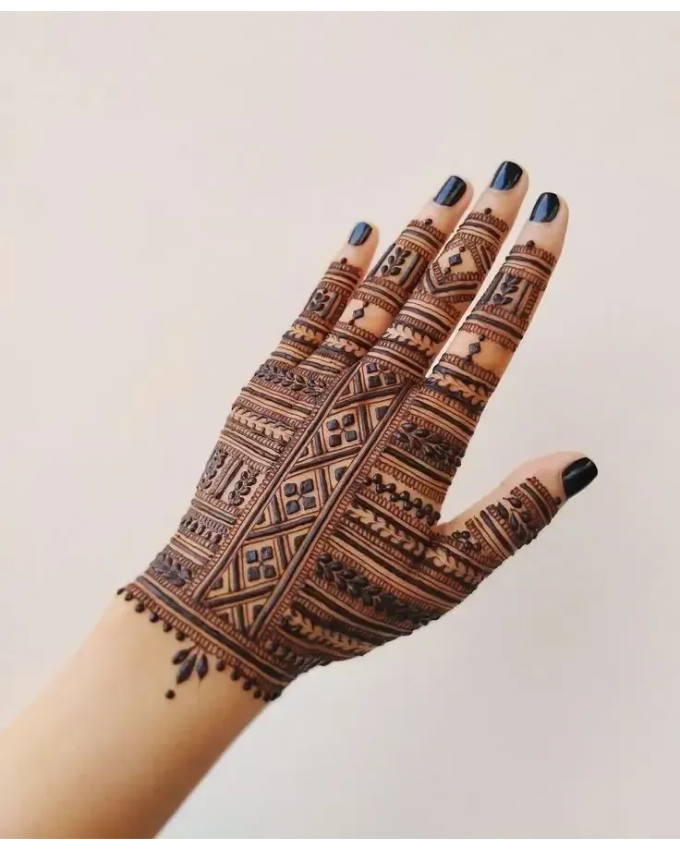
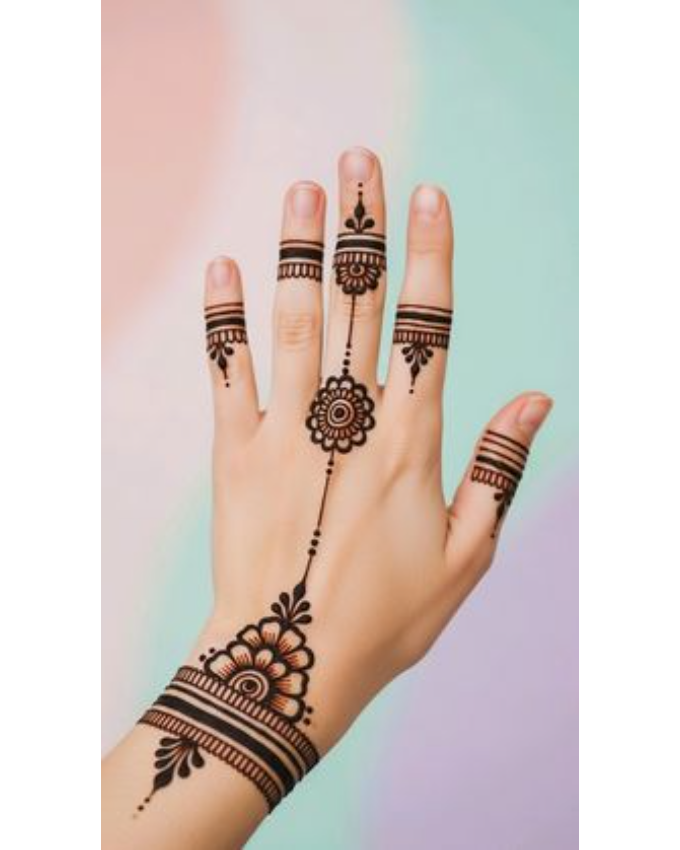
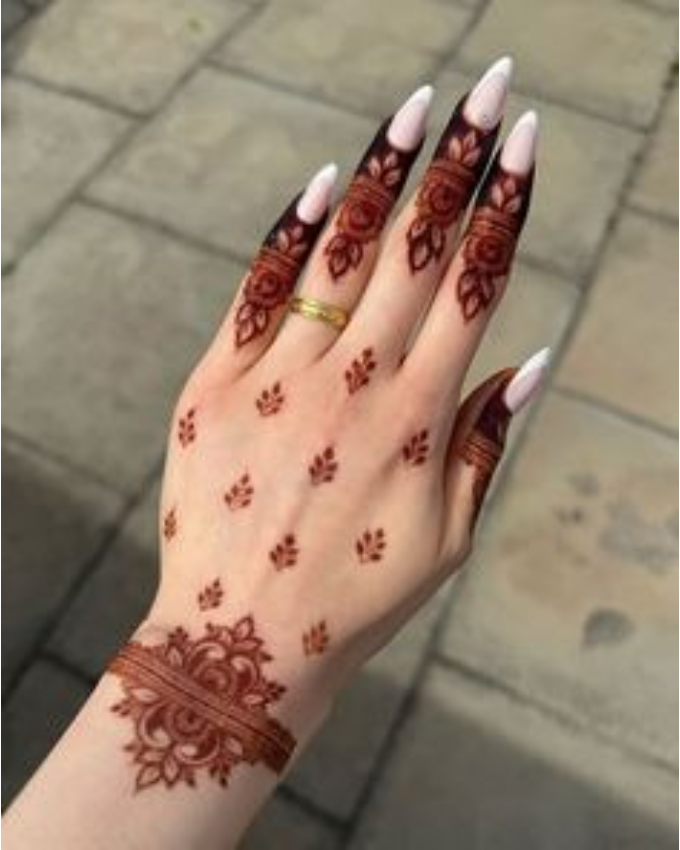
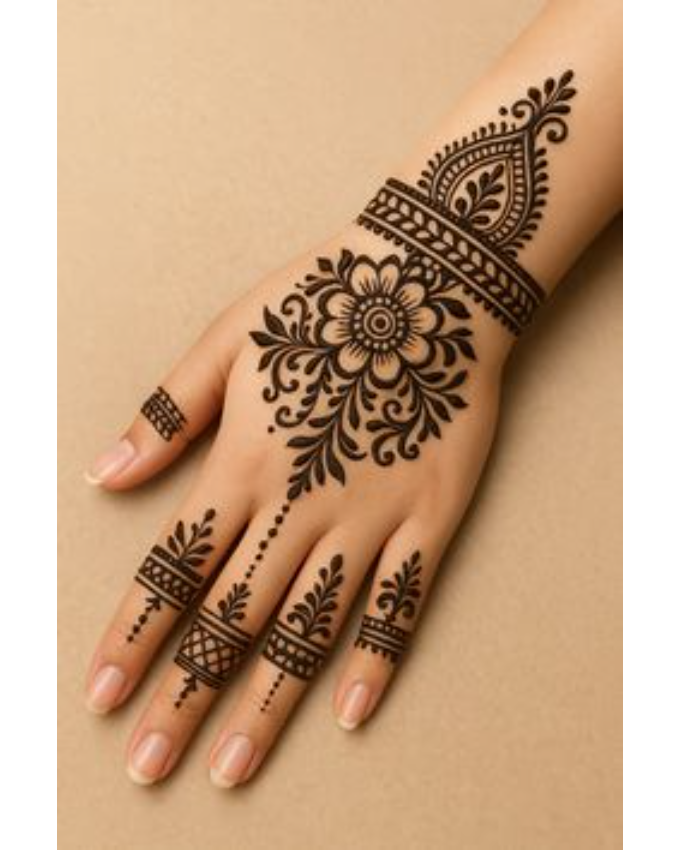
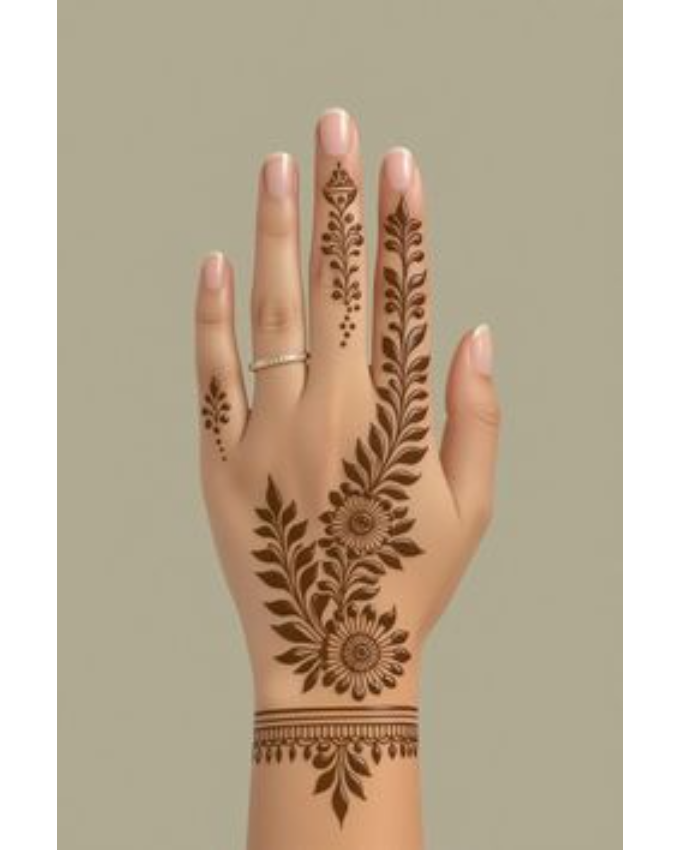
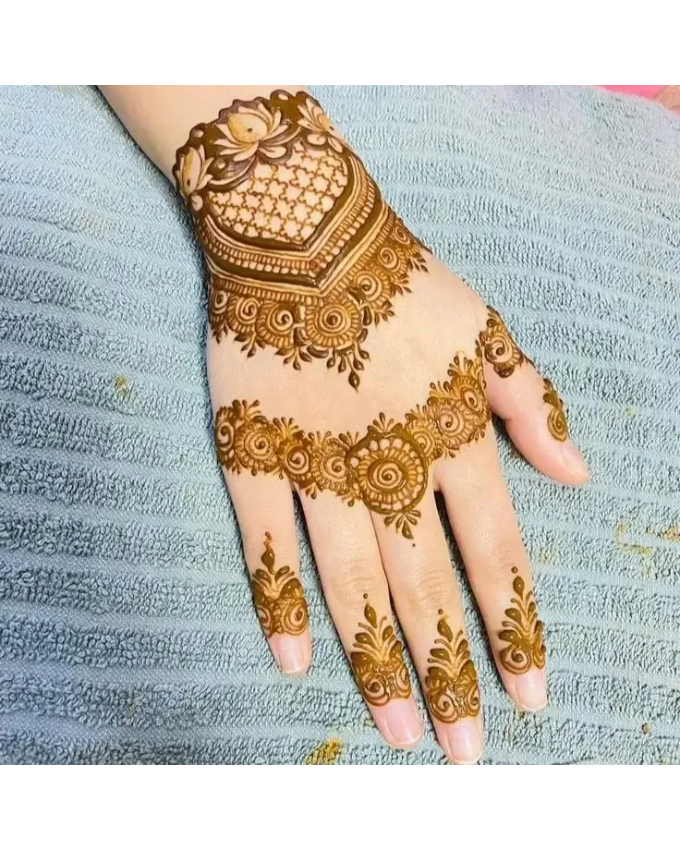
Top Royal Front Hand Mehndi Design Styles You Need to Try
The world of mehndi is vast and diverse. Below are the most popular styles for front hand designs that have stood the test of time and continue to trend in 2024.
1. Traditional Indian Royal Mehndi Design
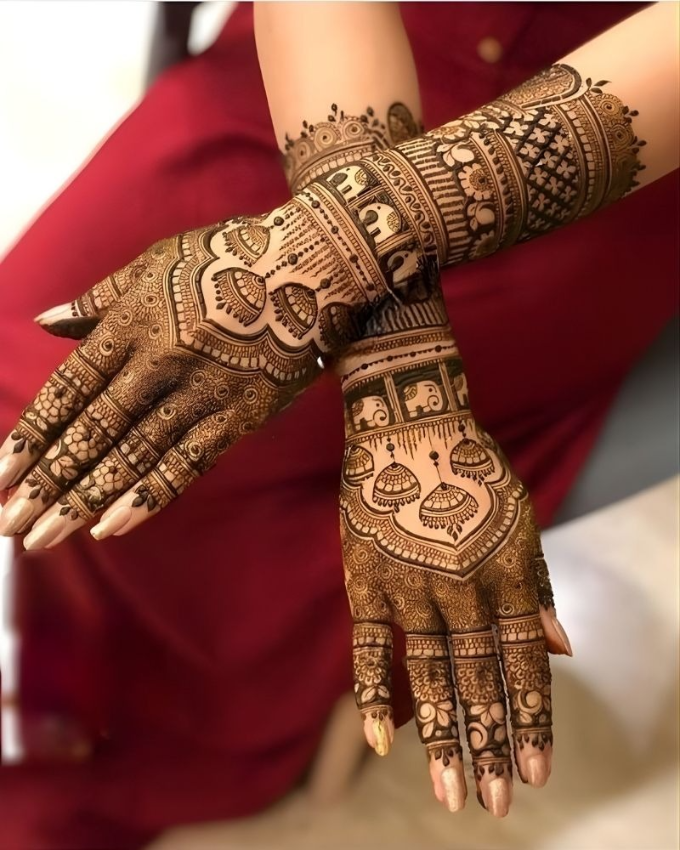
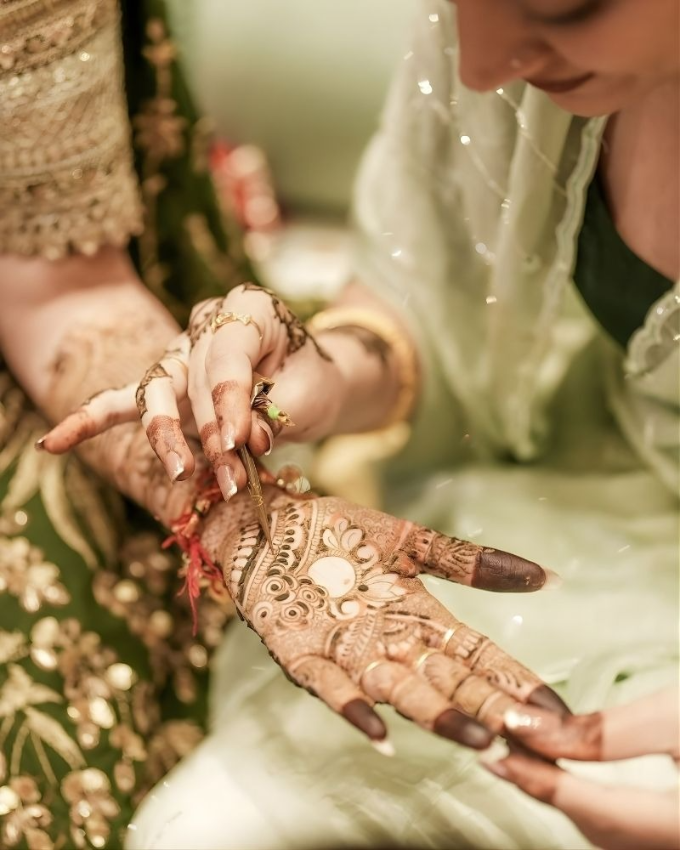
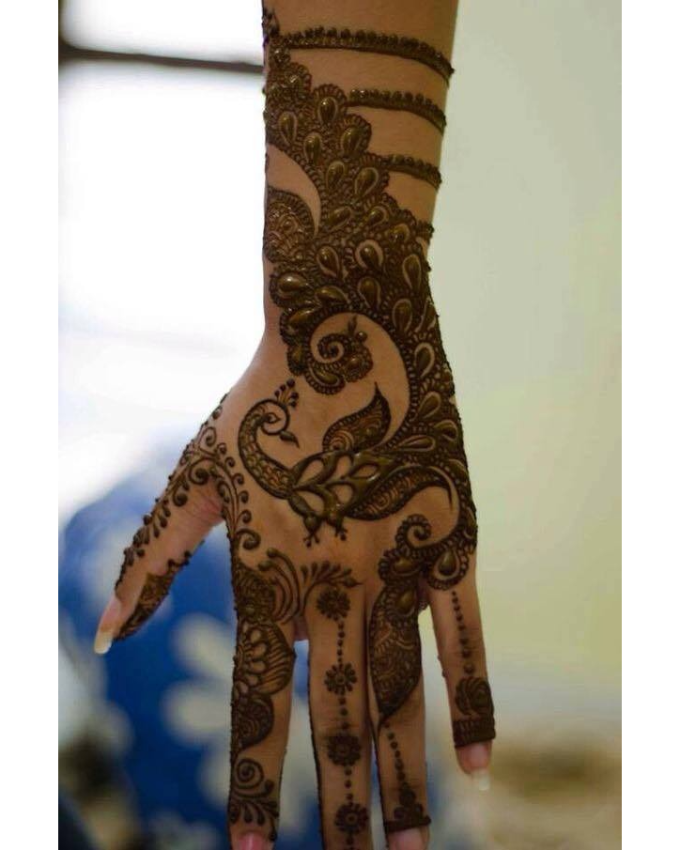
Traditional Indian mehndi is the gold standard of royal henna art. These designs typically feature the iconic peacock at the centre of the palm, surrounded by detailed floral vines, paisleys, and intricate lattice work. The front hand serves as the primary showcase, with bold symmetrical patterns radiating from the wrist to each fingertip. This style is a staple for bridal mehndi ceremonies and is beloved across Rajasthan, Gujarat, and Maharashtra.
2. Punjabi Royal Front Hand Mehndi Design
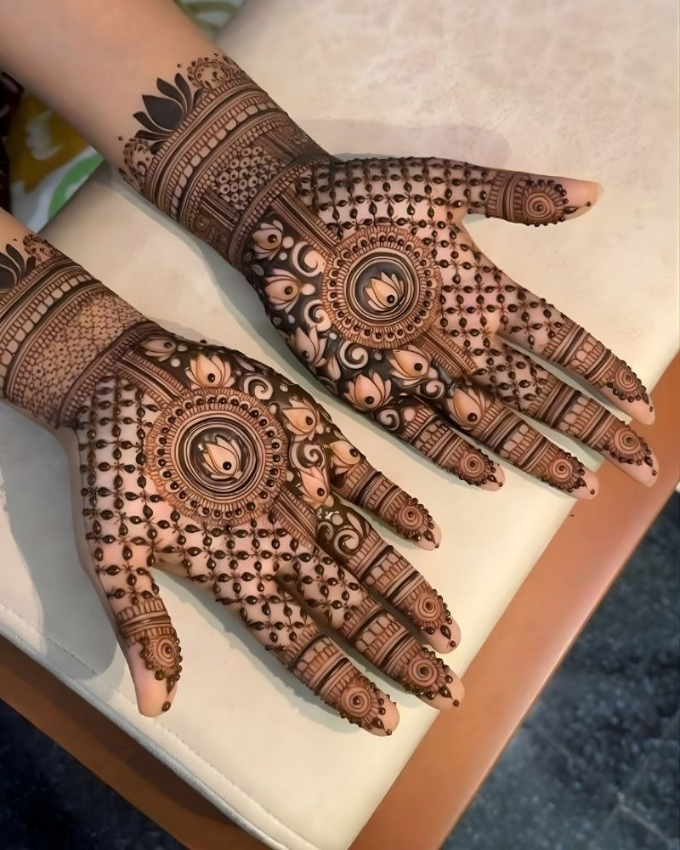
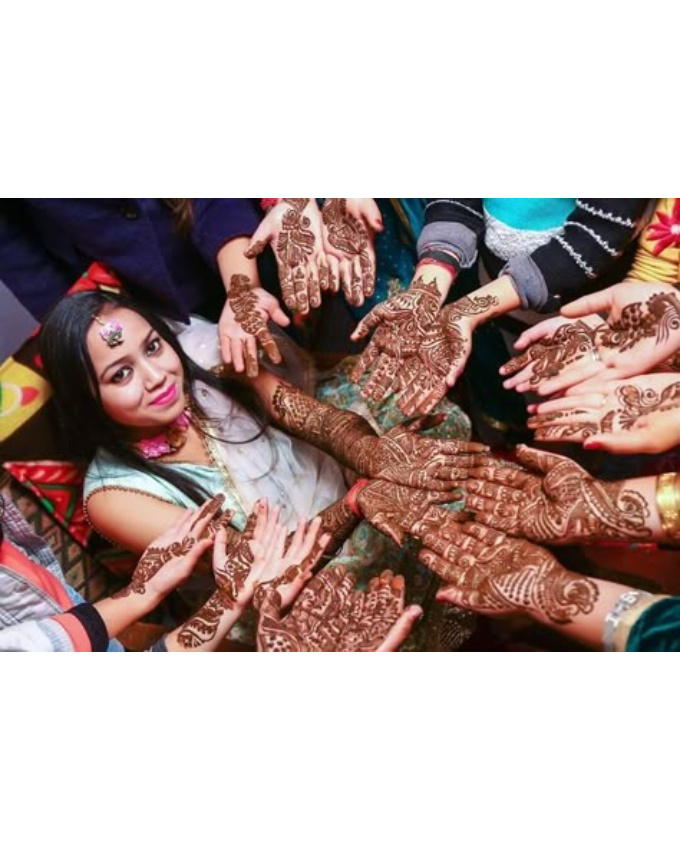
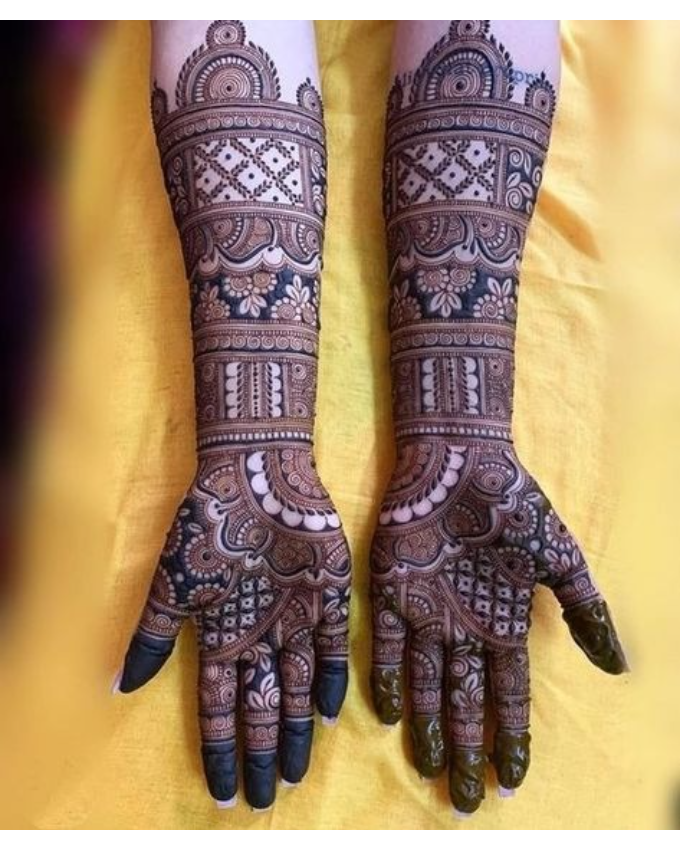
The Punjabi royal front hand mehndi design is known for its bold, dramatic patterns and heavy coverage. Unlike some styles that leave negative space, Punjabi mehndi fills every inch of the hand with thick vines, large floral motifs, and elaborate shading. A defining feature is the use of bold outlines with detailed fill-work inside, giving the design a striking, three-dimensional appearance. Brides from Punjab often opt for designs that extend up the forearm, creating an awe-inspiring visual impact.
Key elements of Punjabi royal mehndi include:
- Large central motifs such as the sun, moon, or bride-groom portrait
- Heavy floral clusters on the palm
- Bold, dark shading achieved through multiple henna layers
- Intricate border work along the wrist and fingers
3. Arabic Royal Mehndi Design
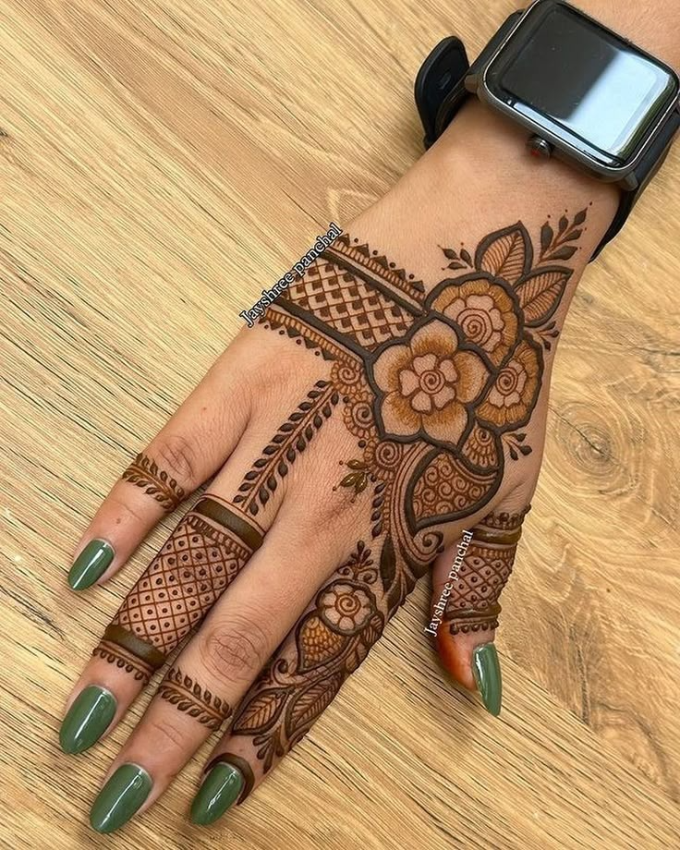
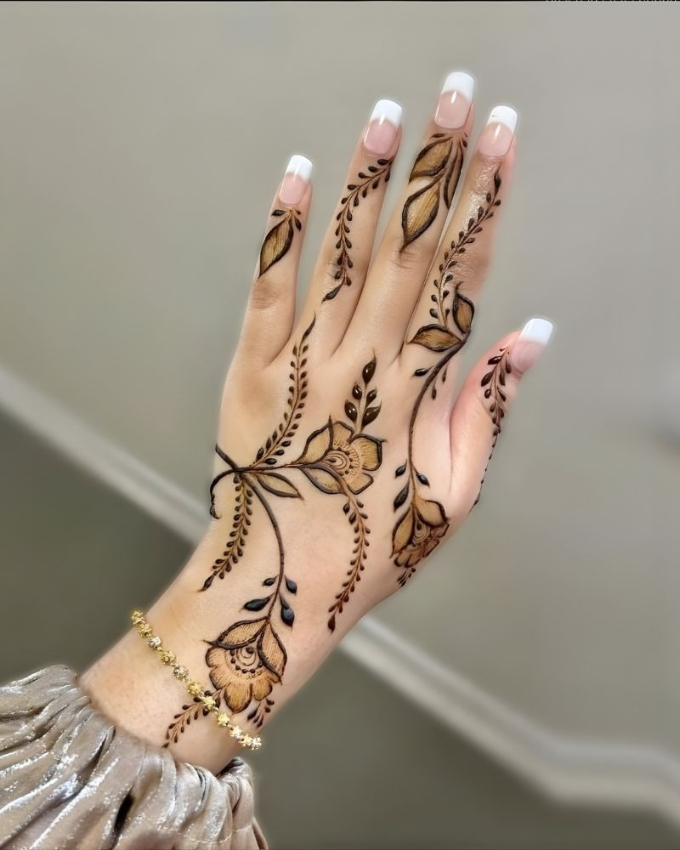
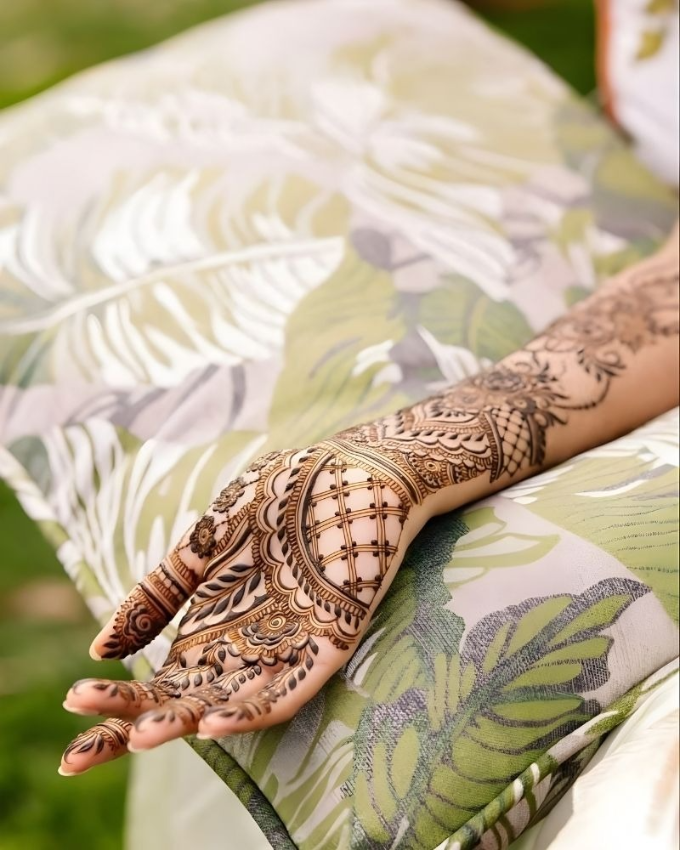
Arabic mehndi is celebrated for its flowing, freehand style that uses negative space beautifully. An Arabic-inspired royal front hand mehndi design features large bold flowers, leaves, and vines arranged in elegant flowing patterns across the hand. The designs are less dense than Indian styles, giving them a modern, airy quality while still looking luxurious. This style is particularly popular among those who want something regal yet not overly heavy.
4. Indo-Arabic Fusion Royal Mehndi
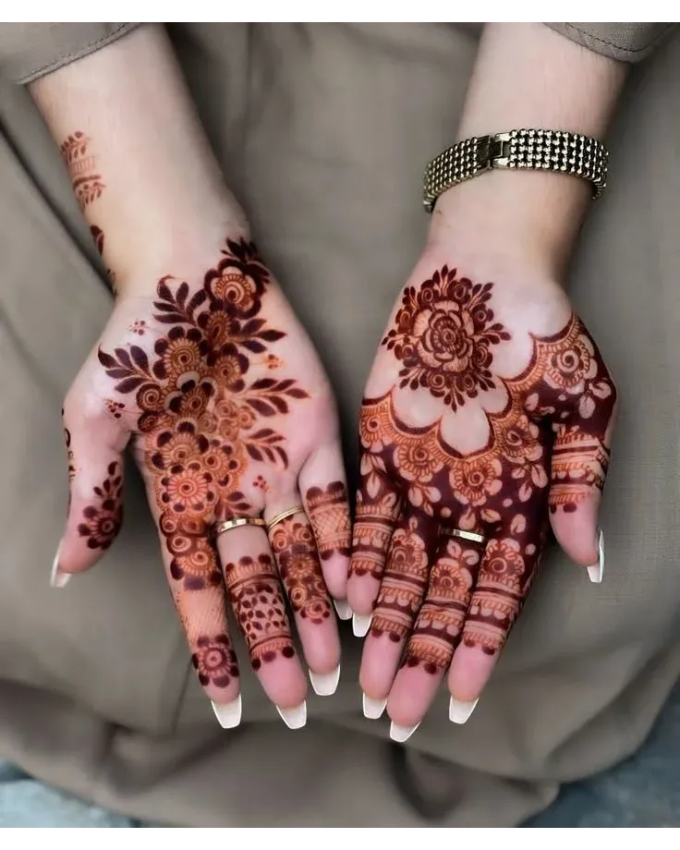
This fusion style combines the flowing, open quality of Arabic mehndi with the fine, intricate details of Indian henna art. The result is a design that feels both royal and contemporary — perfect for modern brides and fashion-forward mehndi enthusiasts. The front hand typically features a bold floral centrepiece with delicate paisley trails extending toward the fingers and wrist.
Instagram Stylish Royal Front Hand Mehndi Design Trends
Social media has revolutionised mehndi art. Today’s Instagram stylish royal front hand mehndi design trends are a blend of traditional craftsmanship and modern aesthetics, often featuring:
- Glitter and stone embellishments added over dried henna
- White mehndi (henna applied in white paste) for a contrasting, bridal look
- Geometric mandala patterns mixed with floral motifs
- Minimalist-meets-royal designs with a few bold elements surrounded by fine details
- Ombre mehndi effects where the colour deepens from wrist to fingertip
If you’re looking for a simple Instagram stylish royal front hand mehndi design, consider a half-hand design that covers the palm and stops mid-forearm. These designs retain the royal look without requiring as much time or henna paste, making them ideal for festivals and casual events.
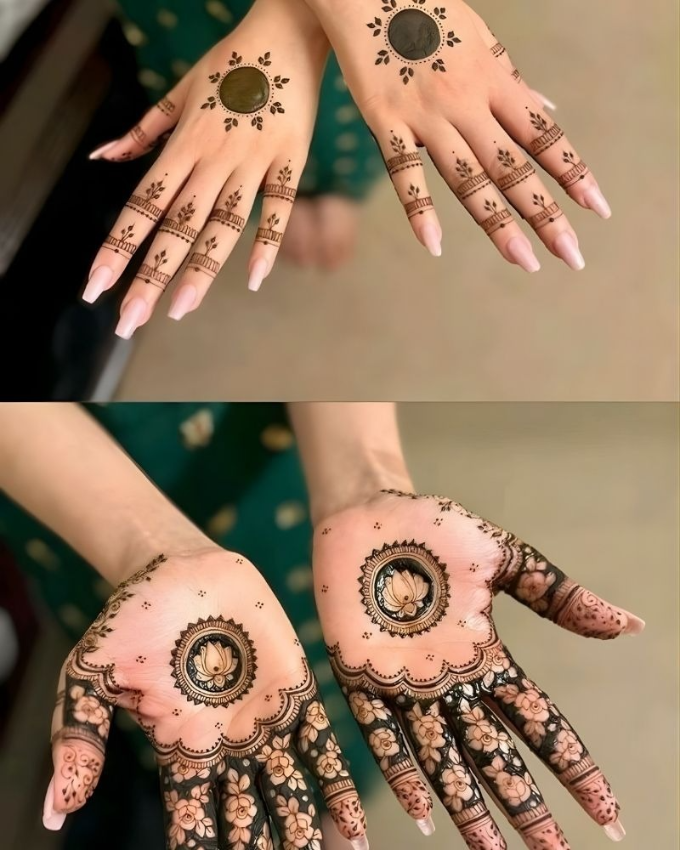
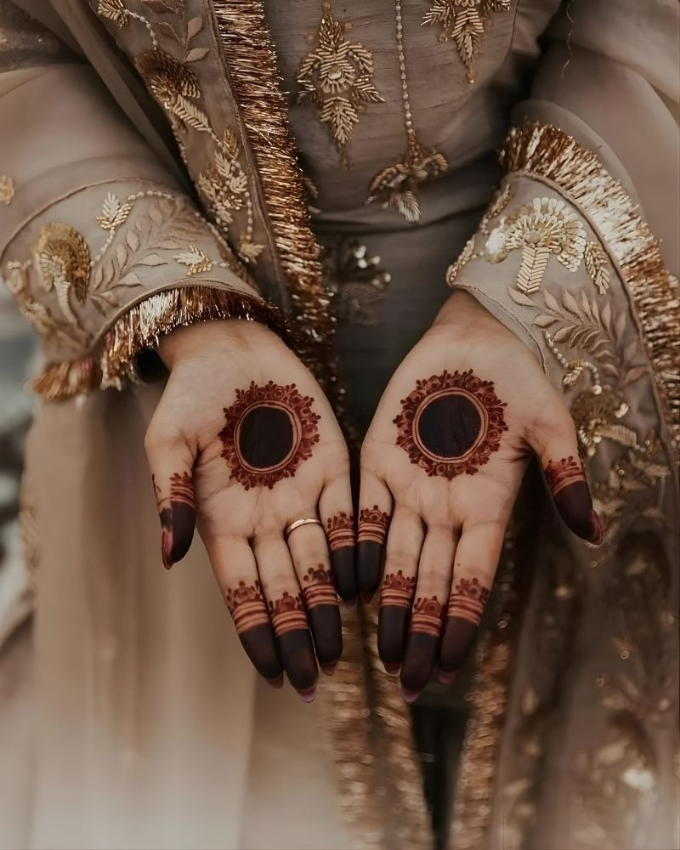
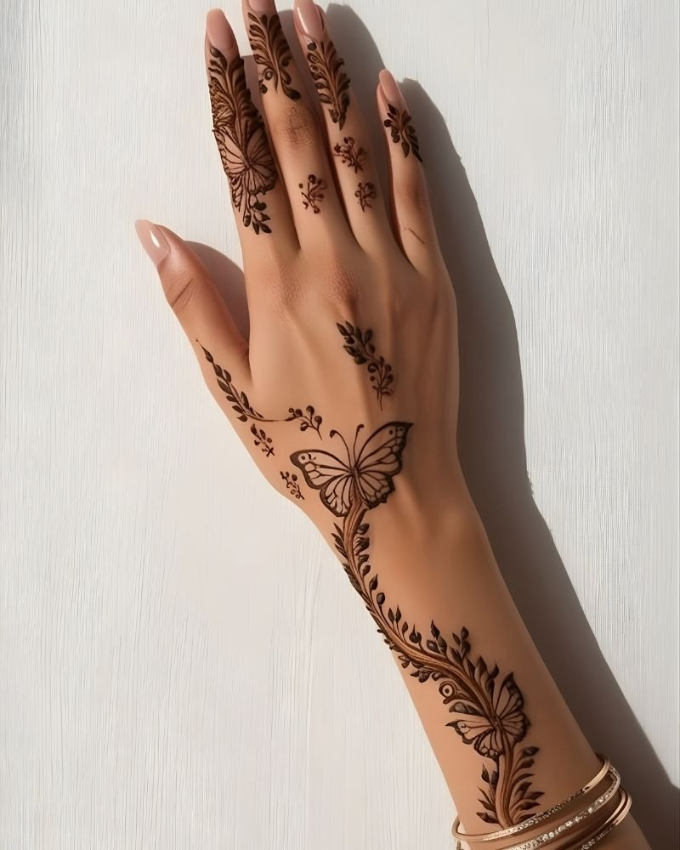
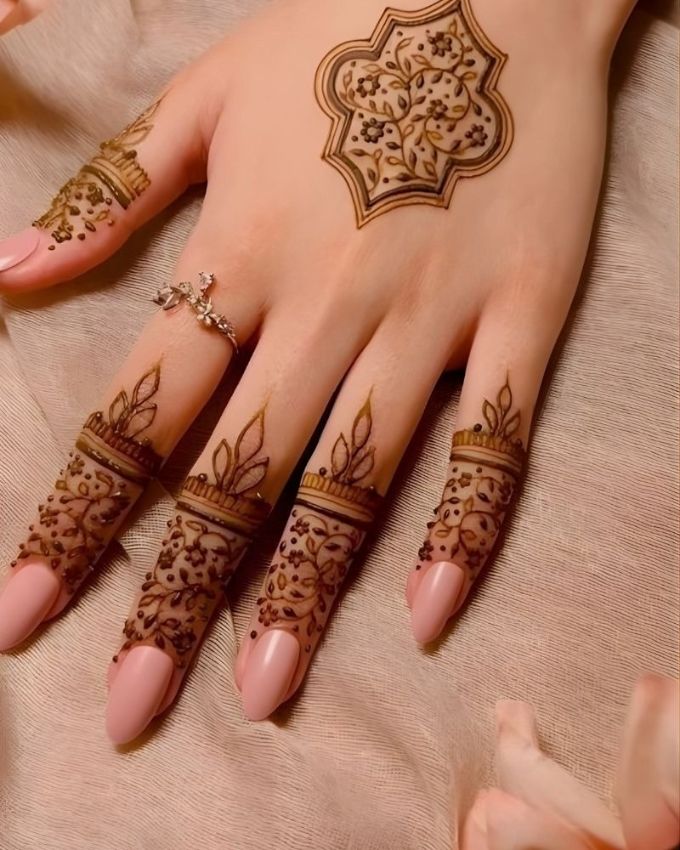
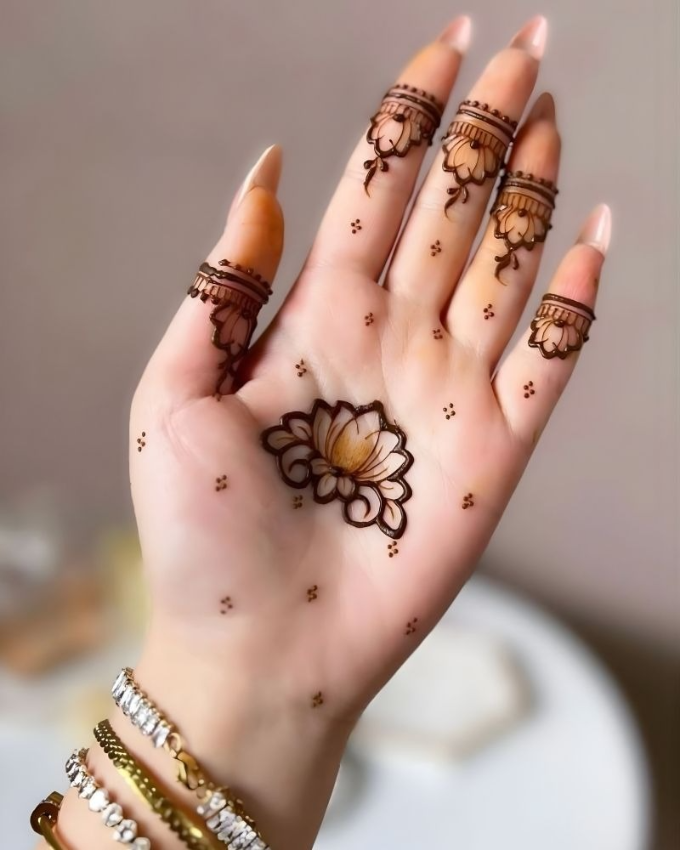
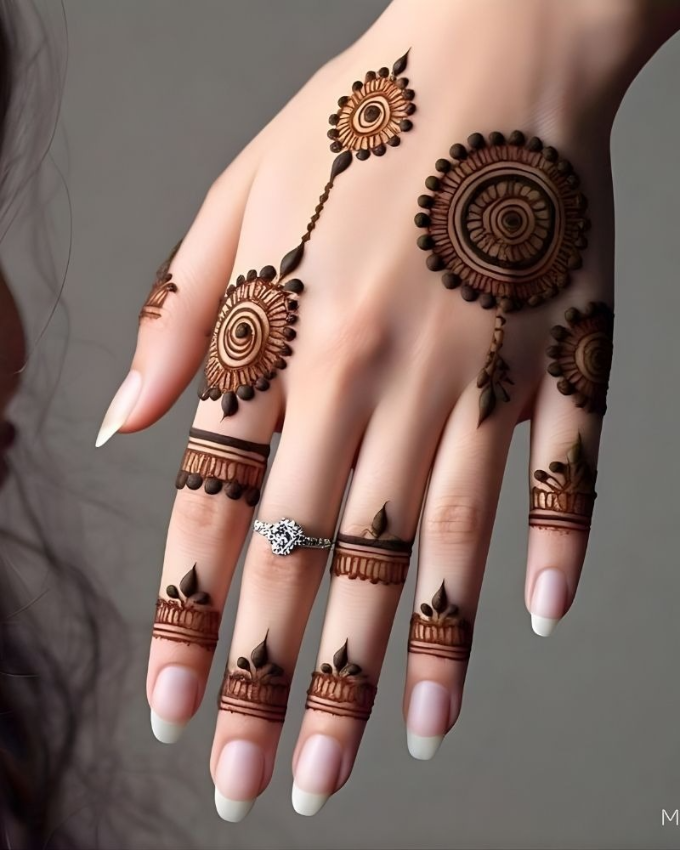
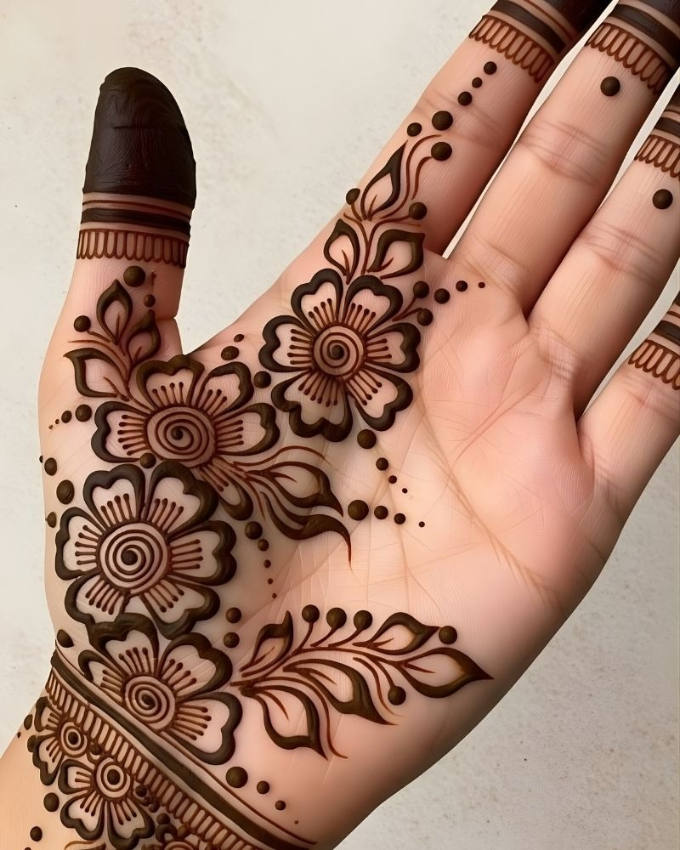
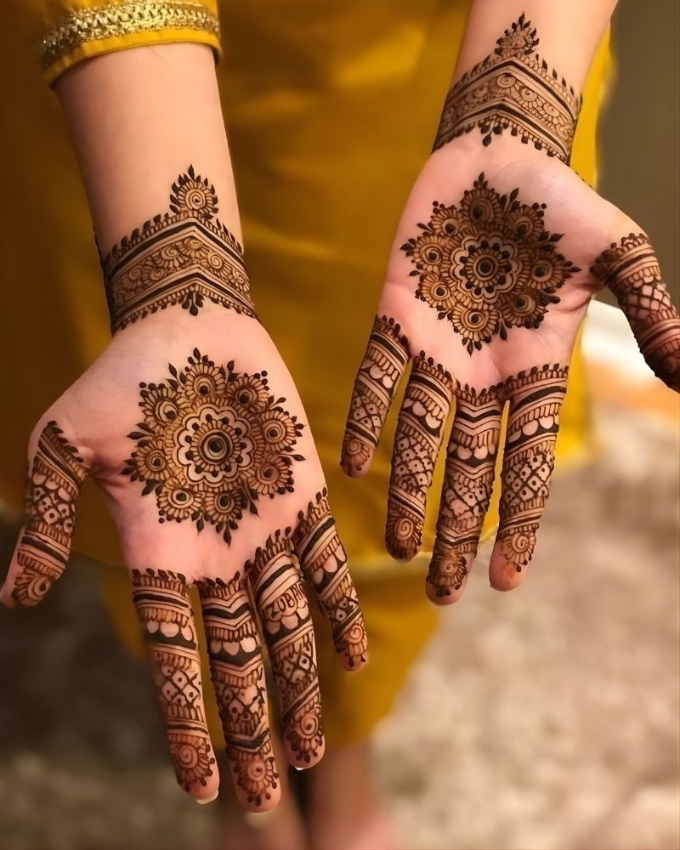
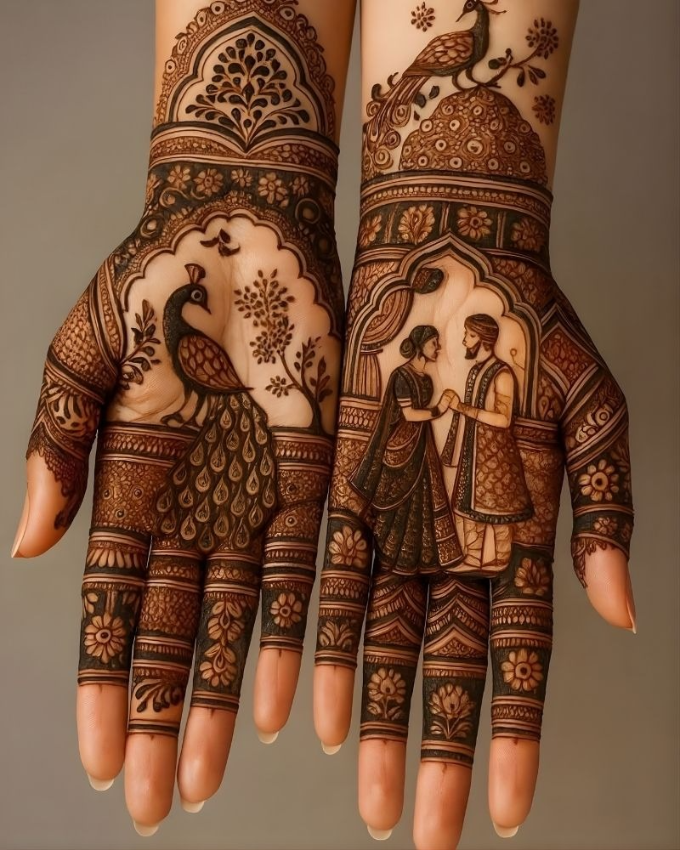
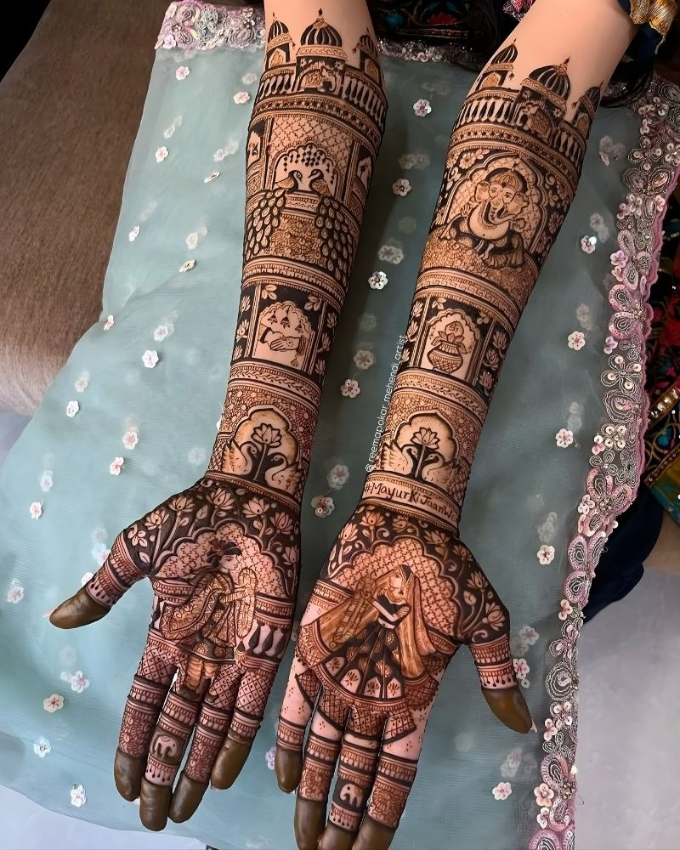
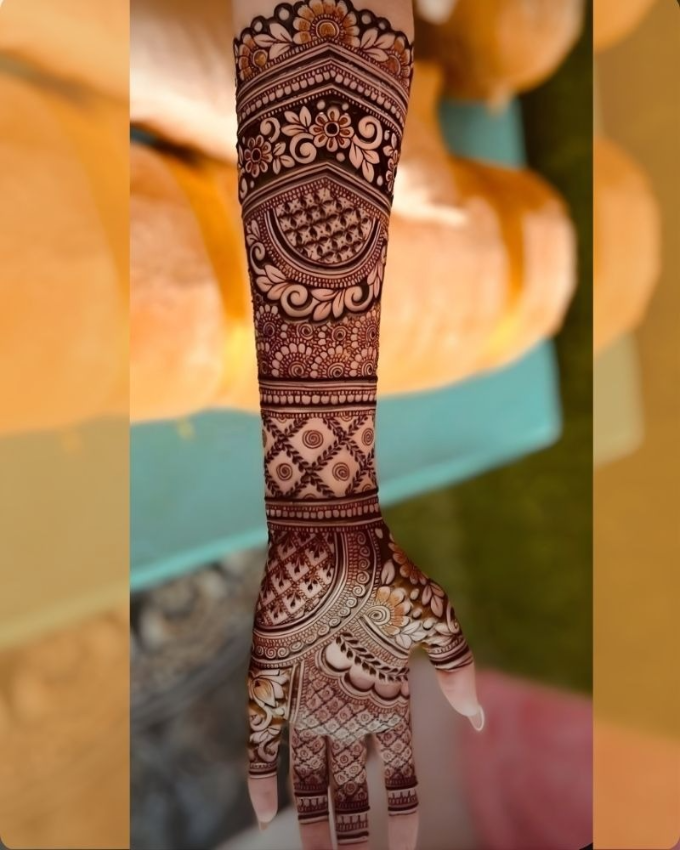
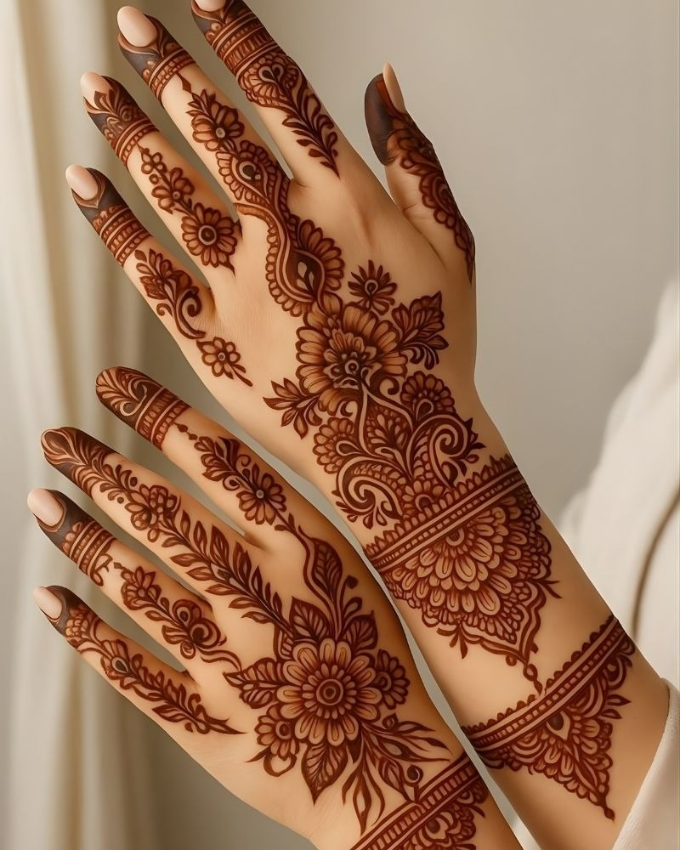
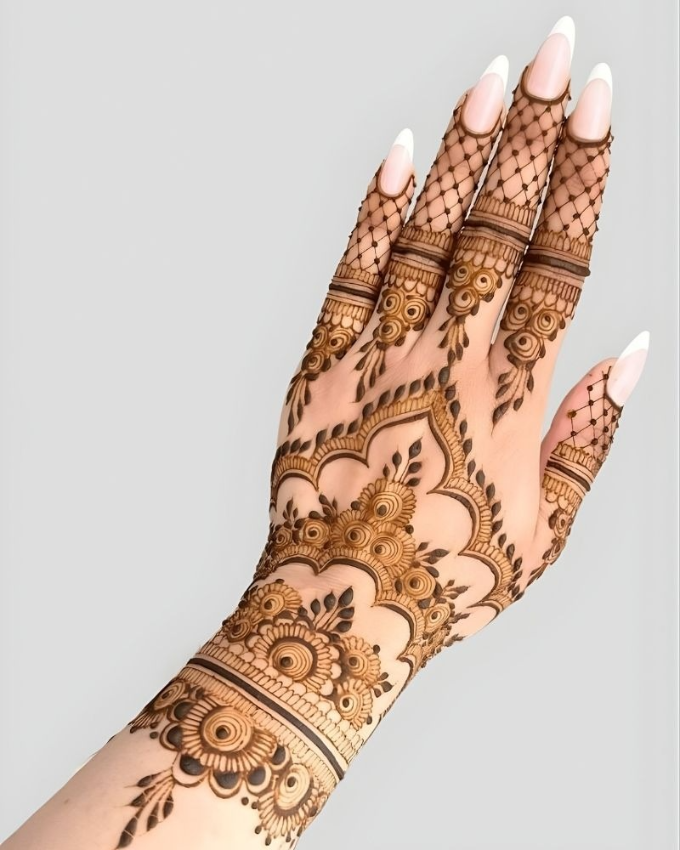
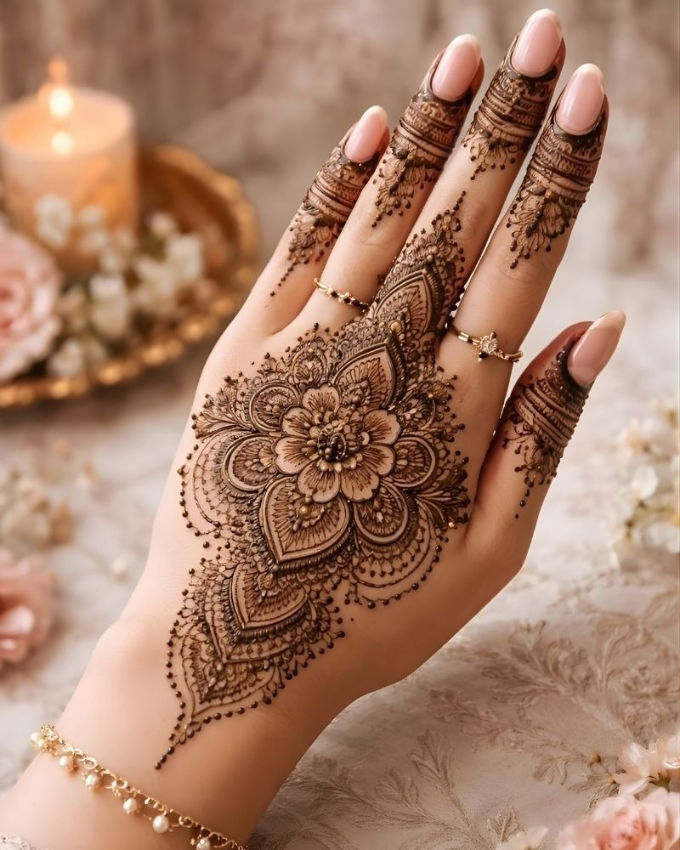
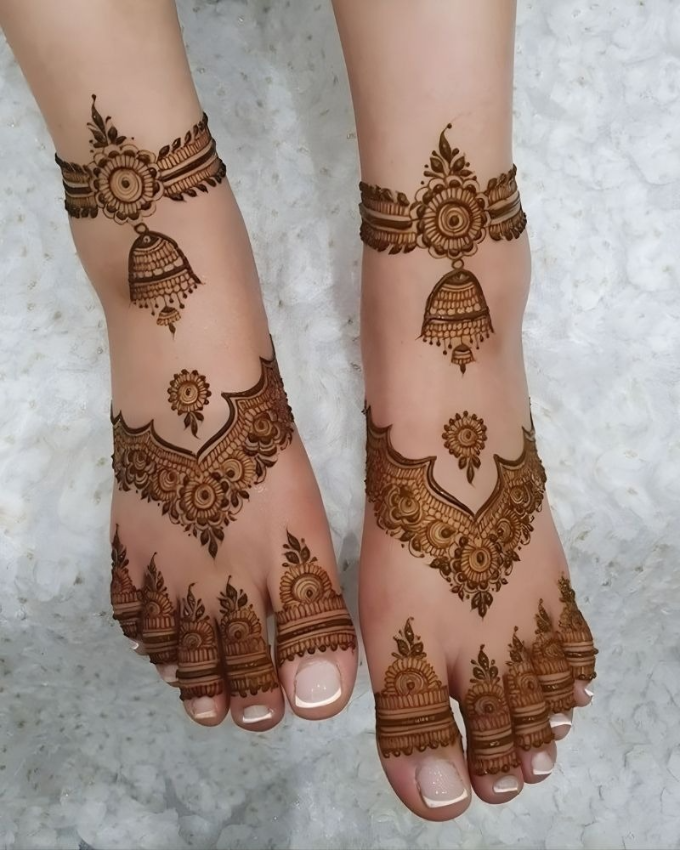
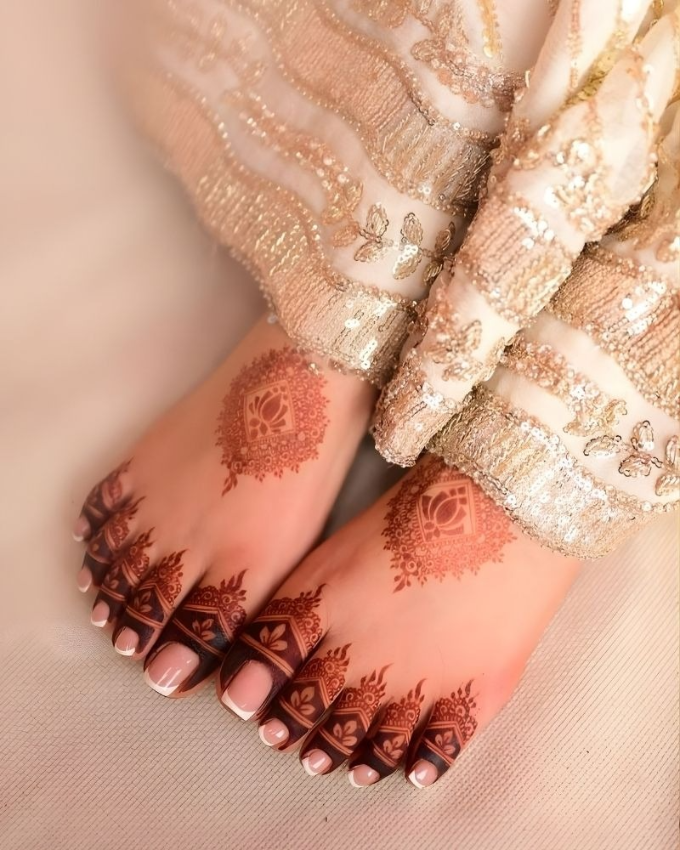
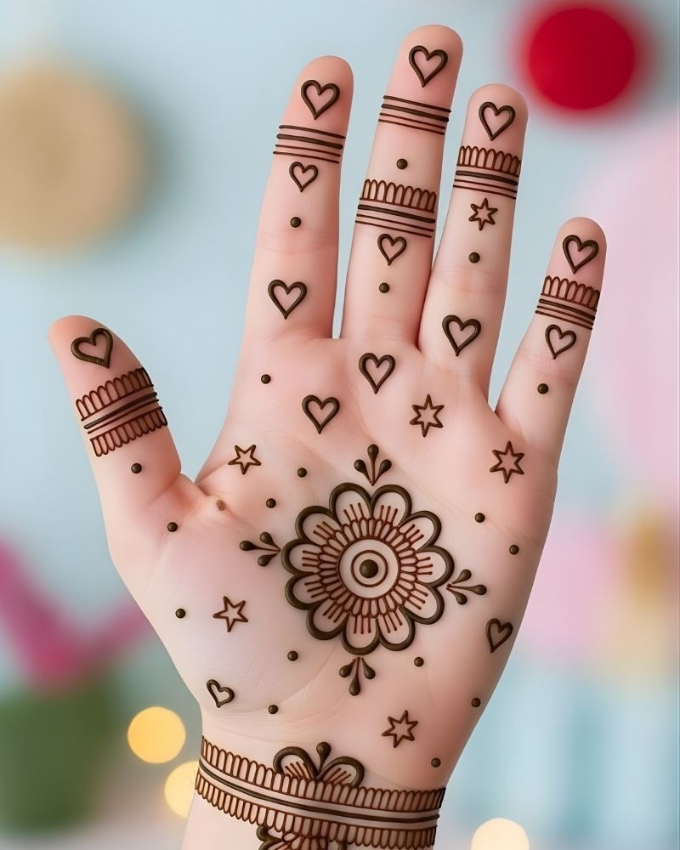
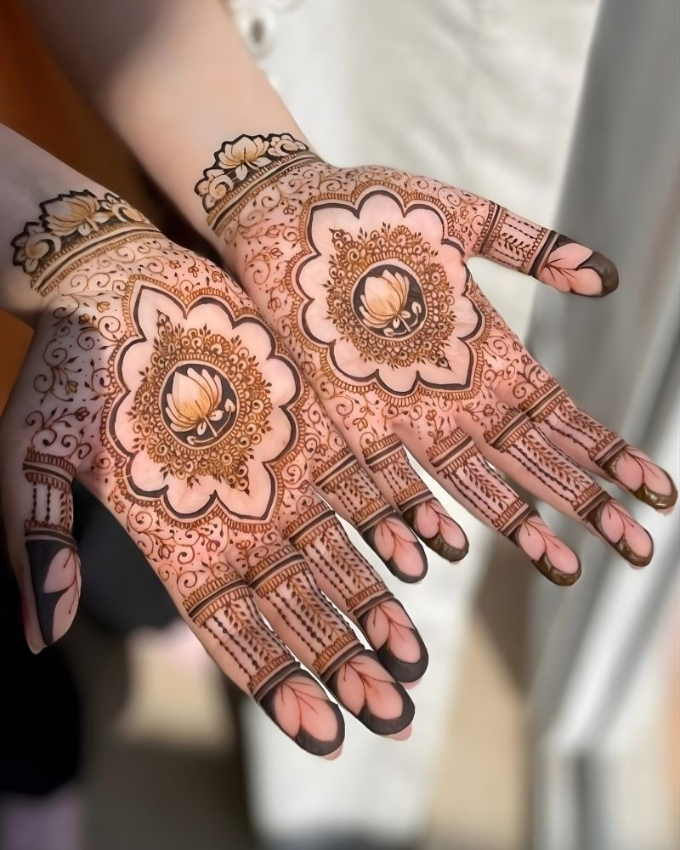
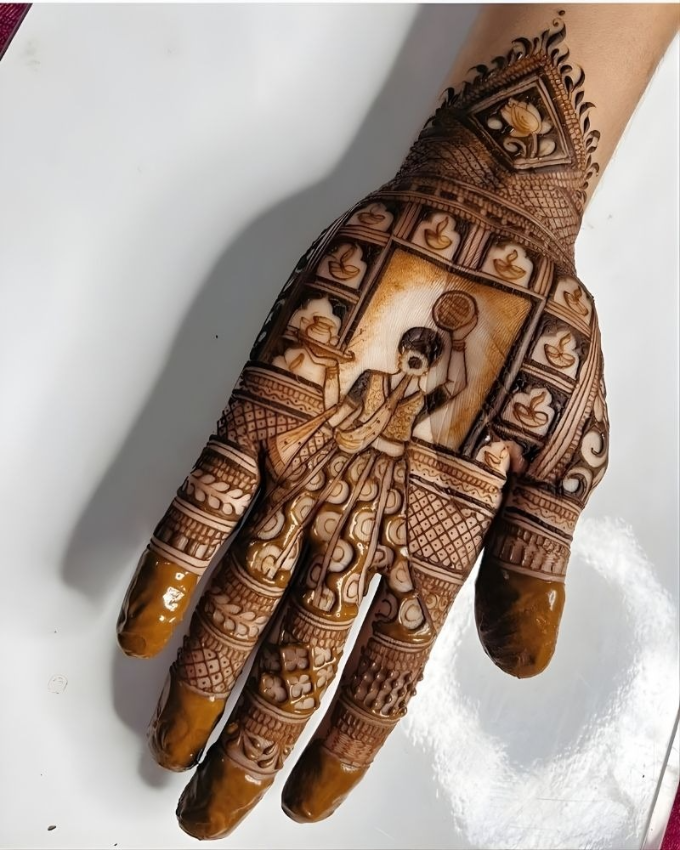
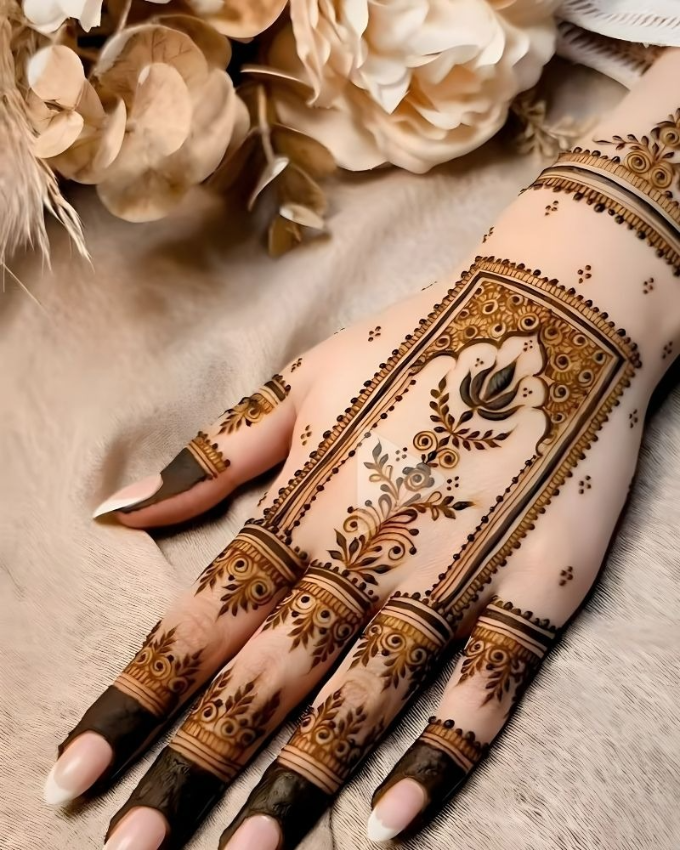
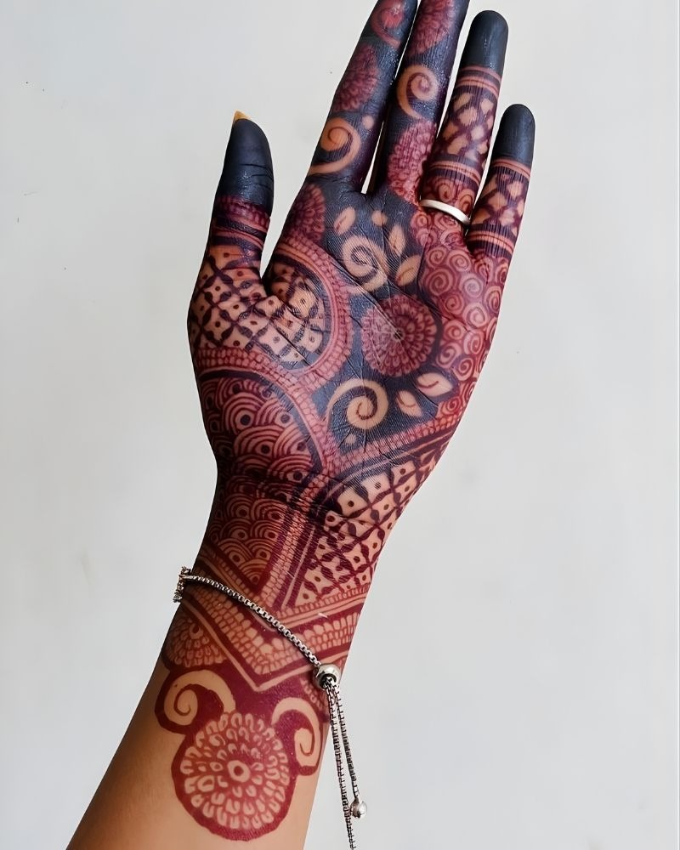
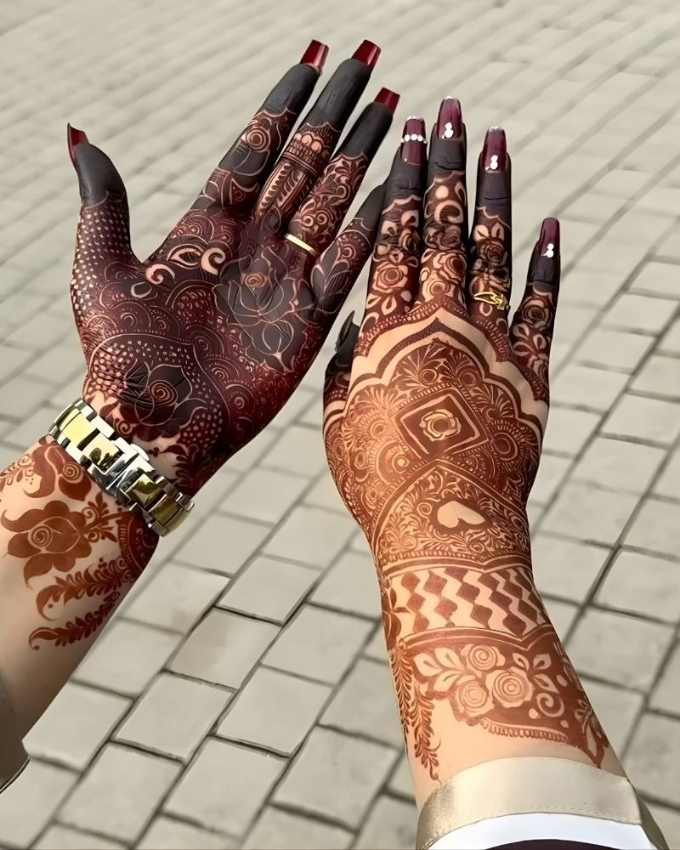
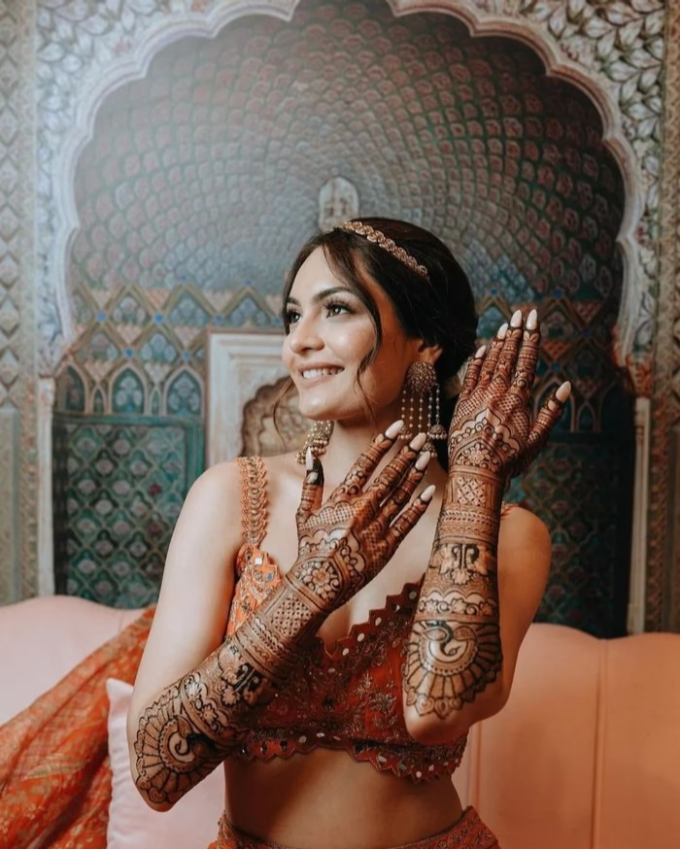
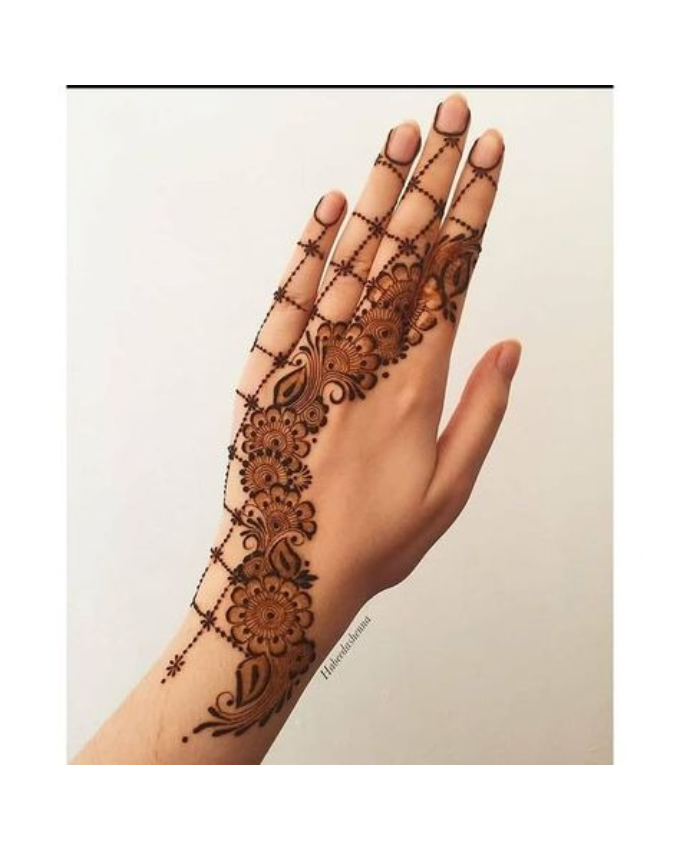
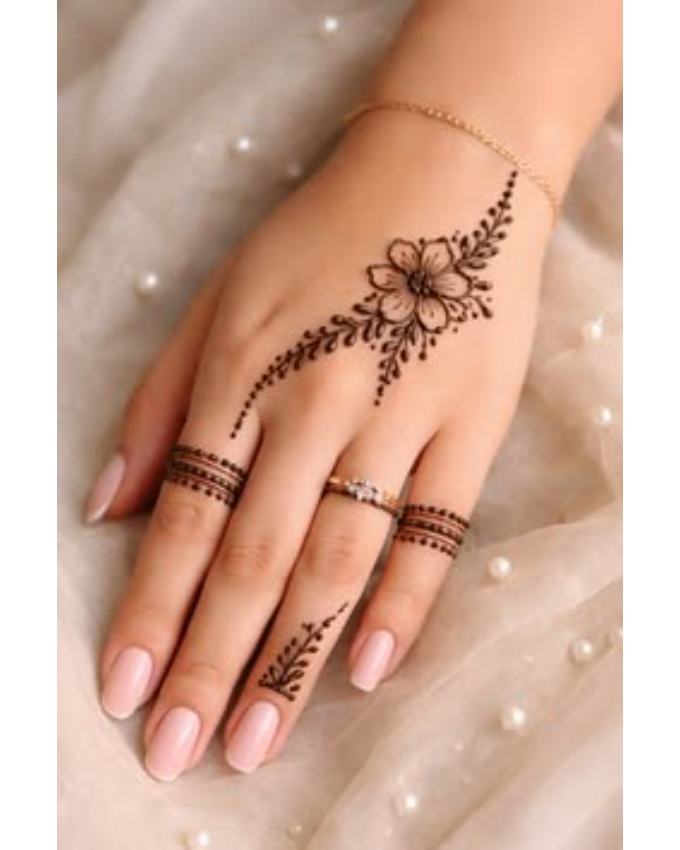
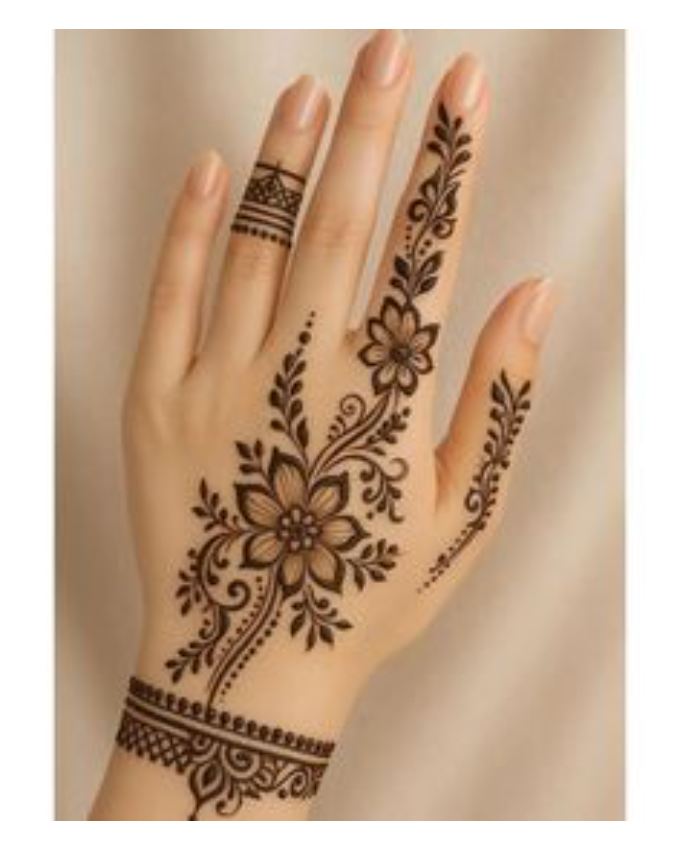
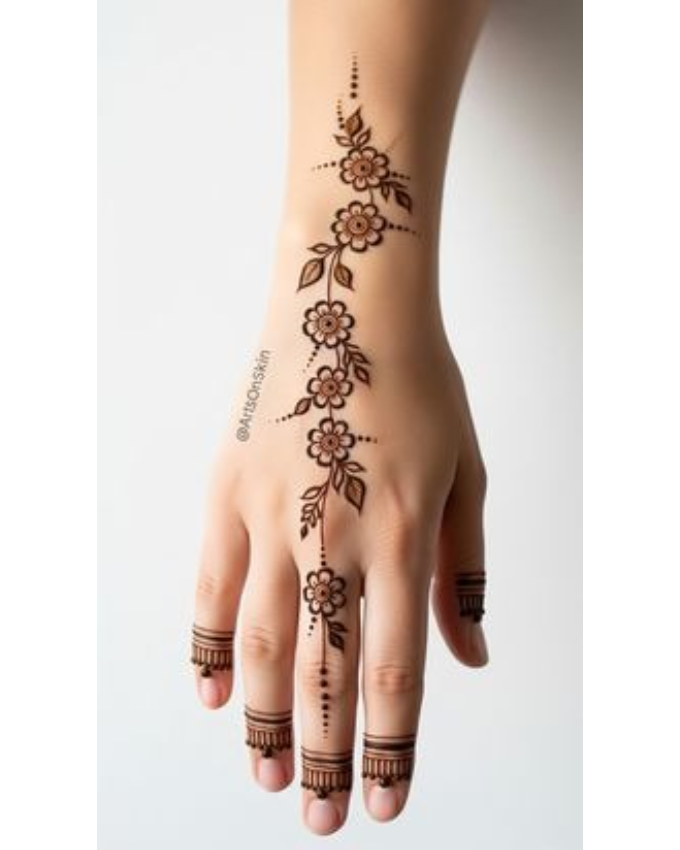
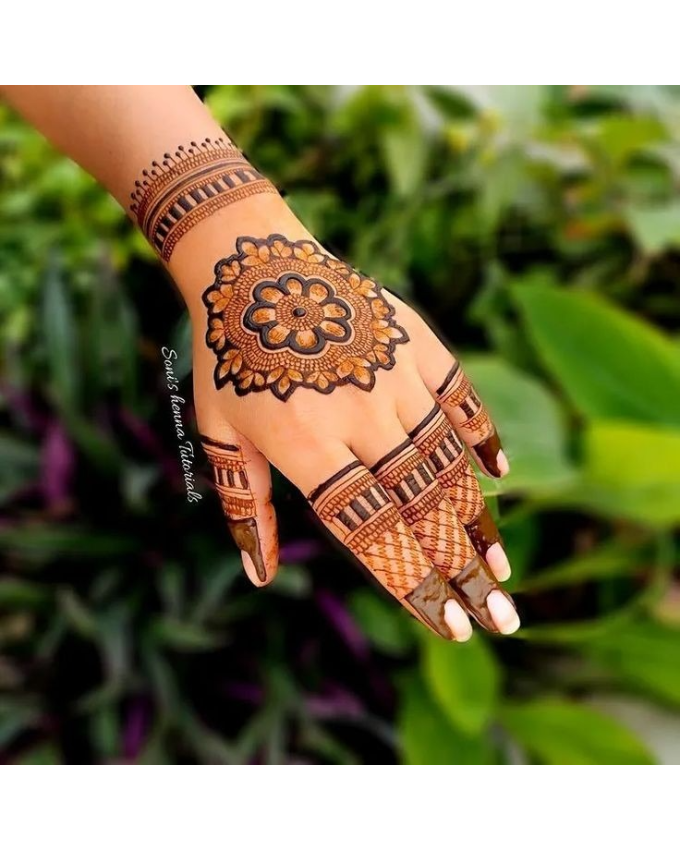
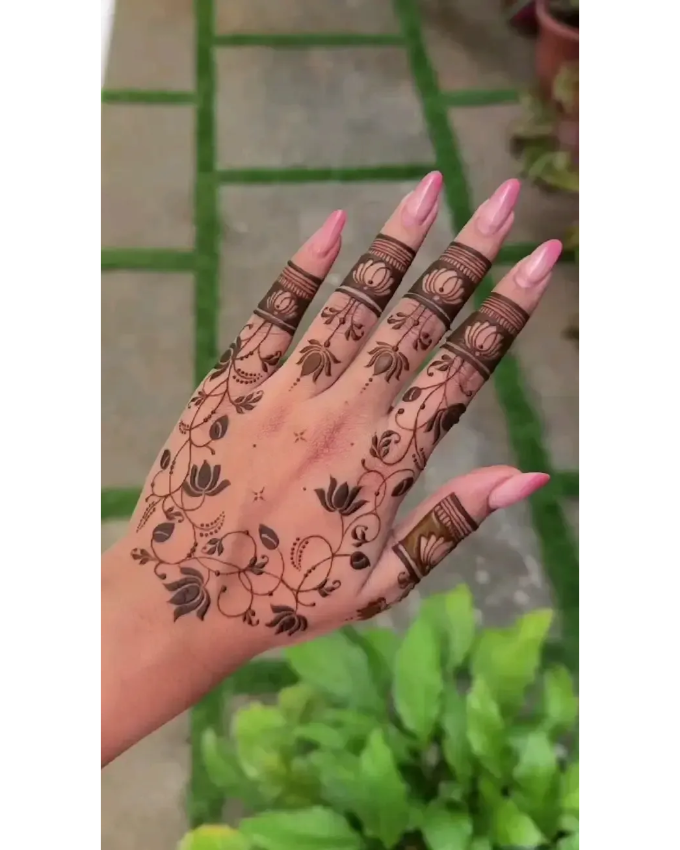
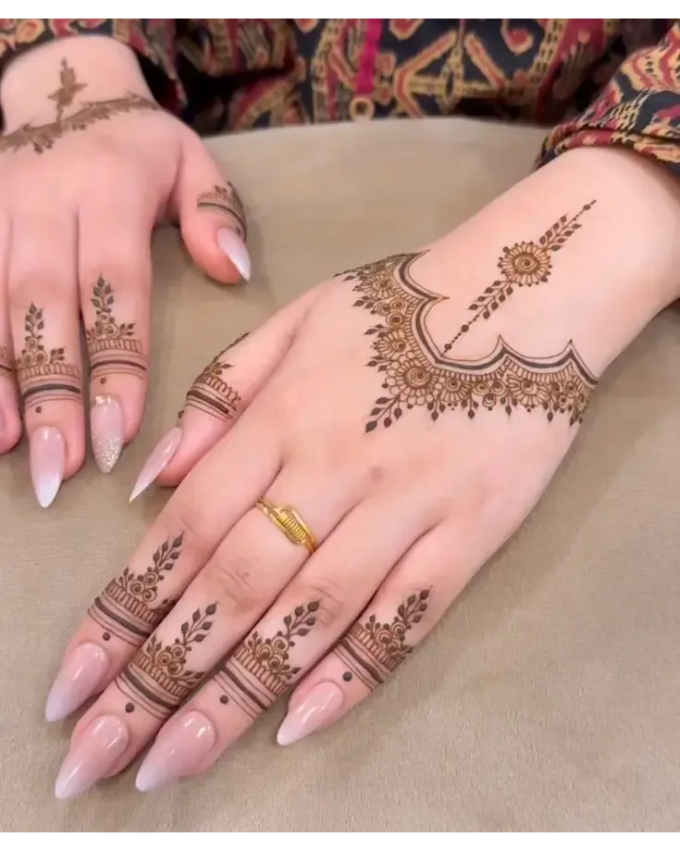
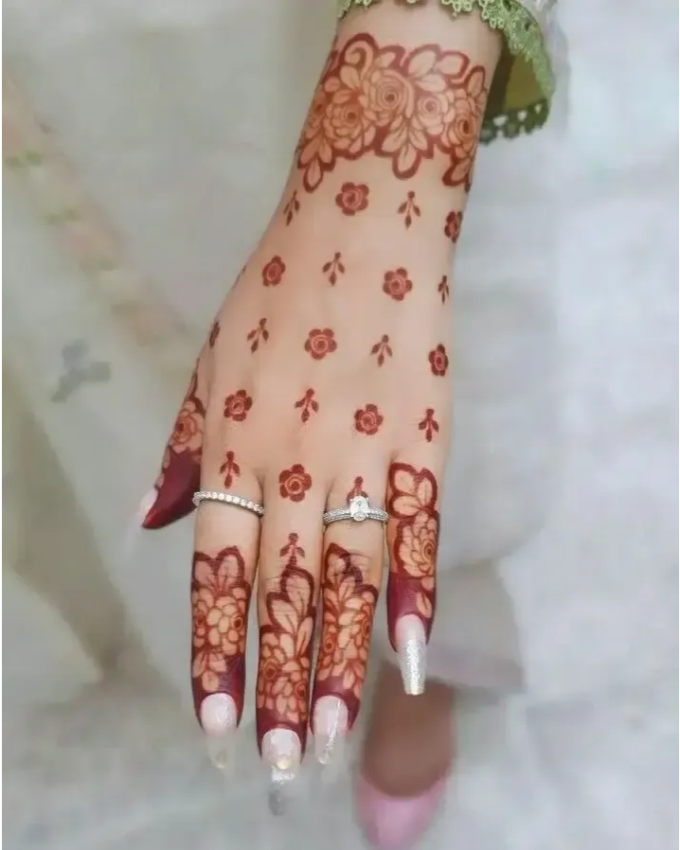
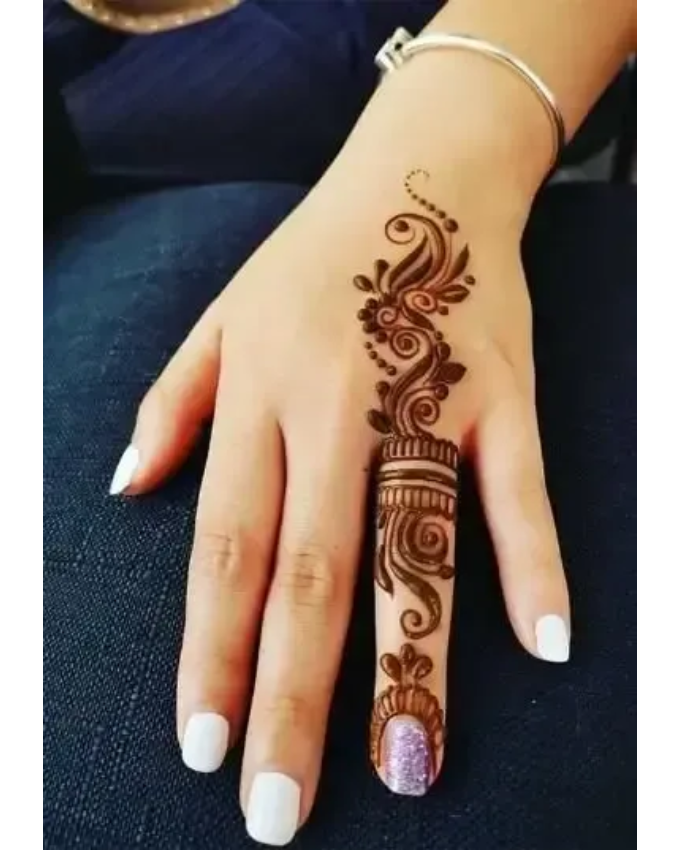
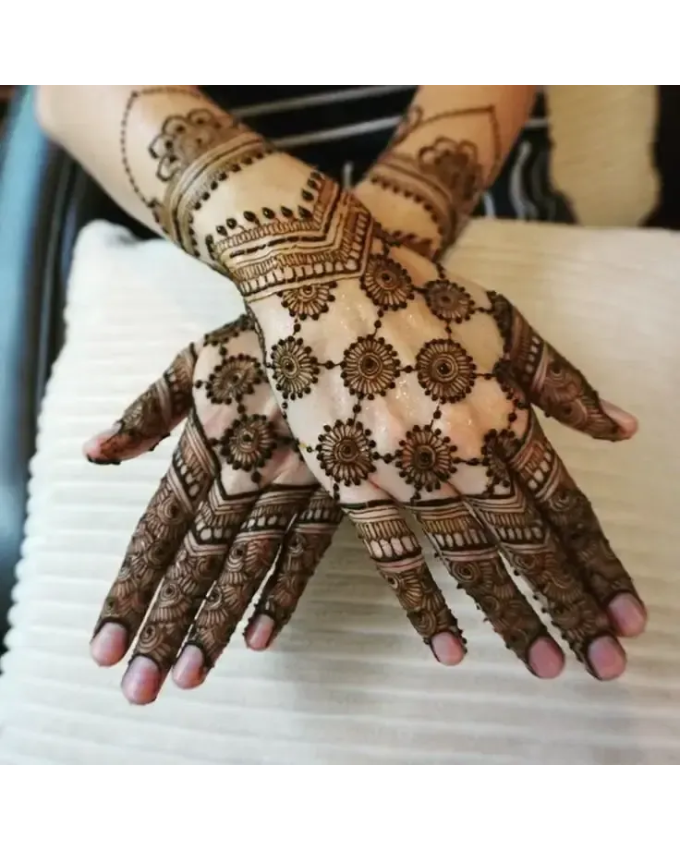
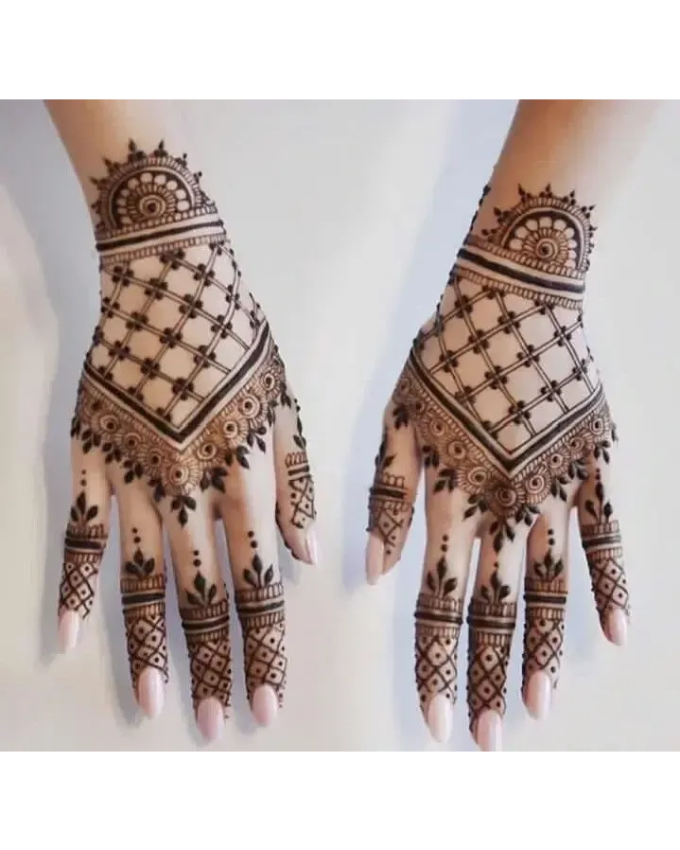
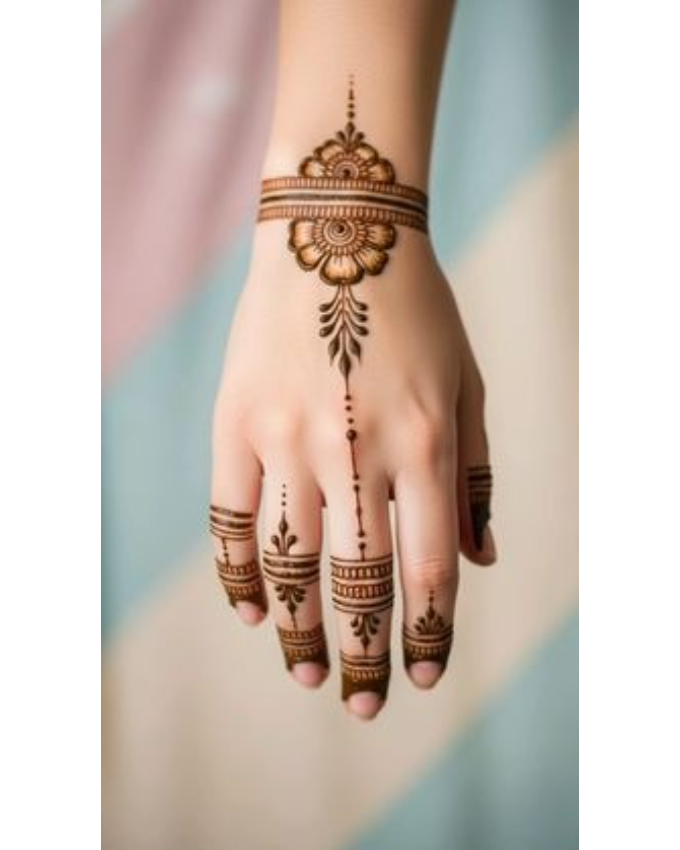
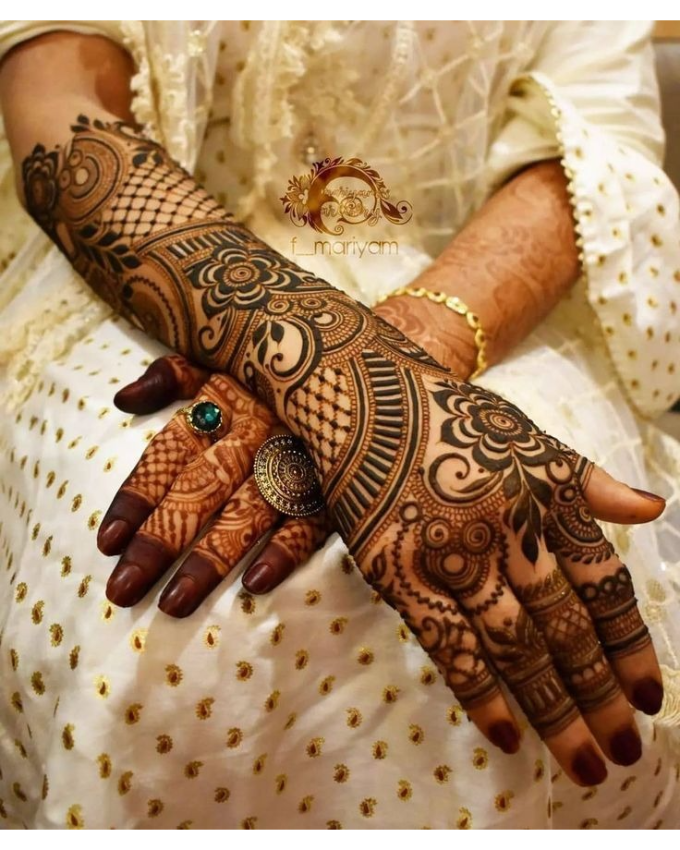
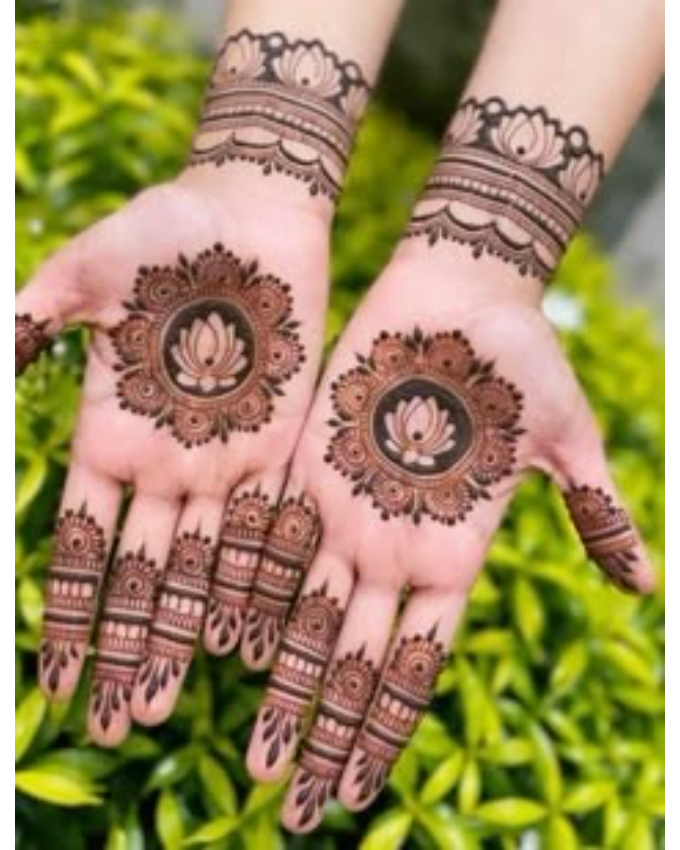
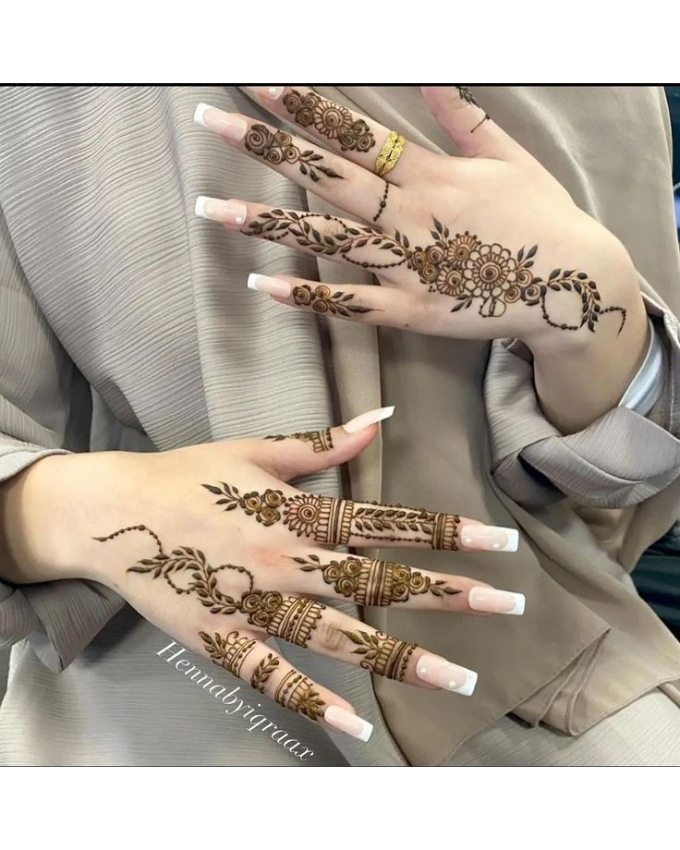
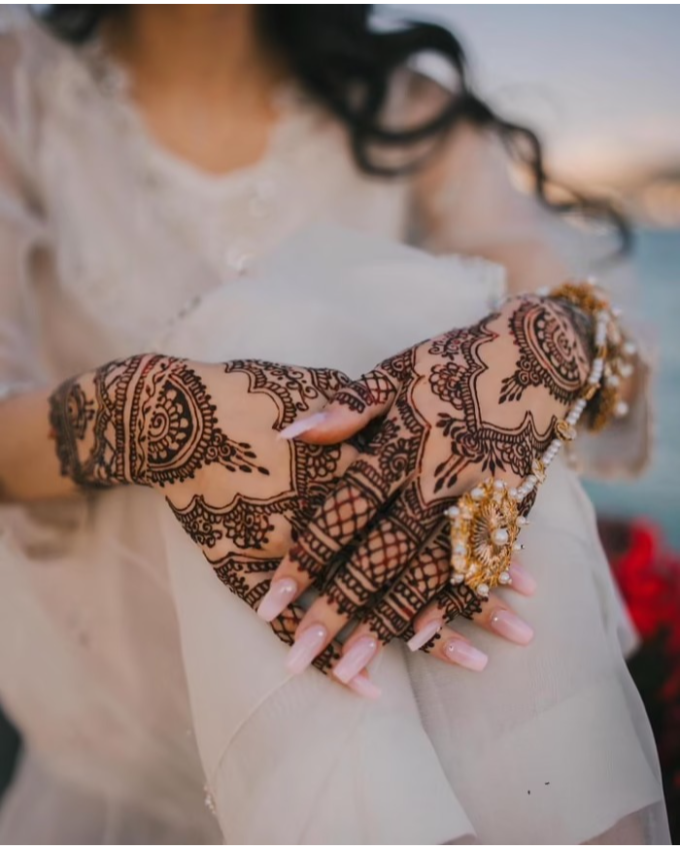
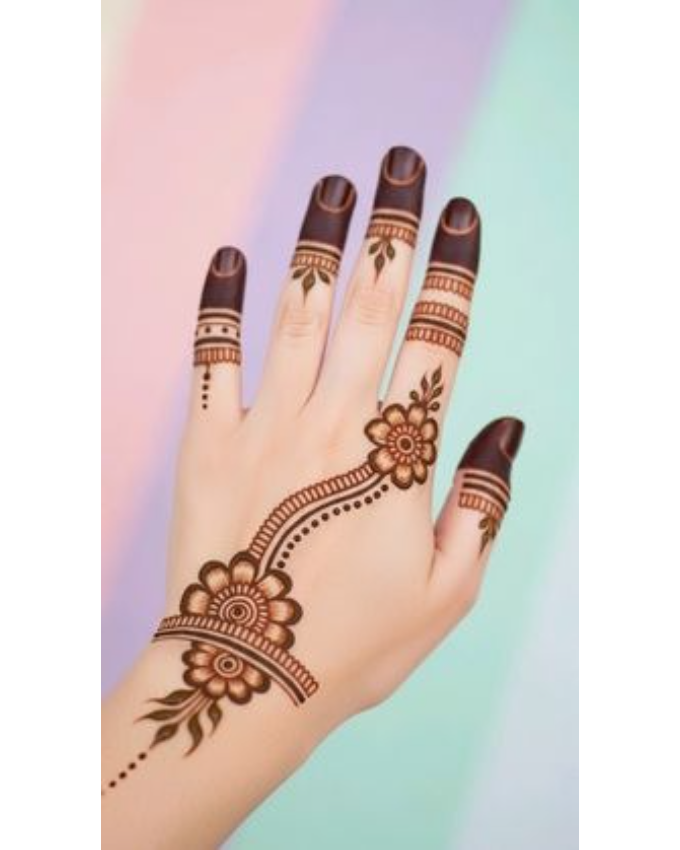
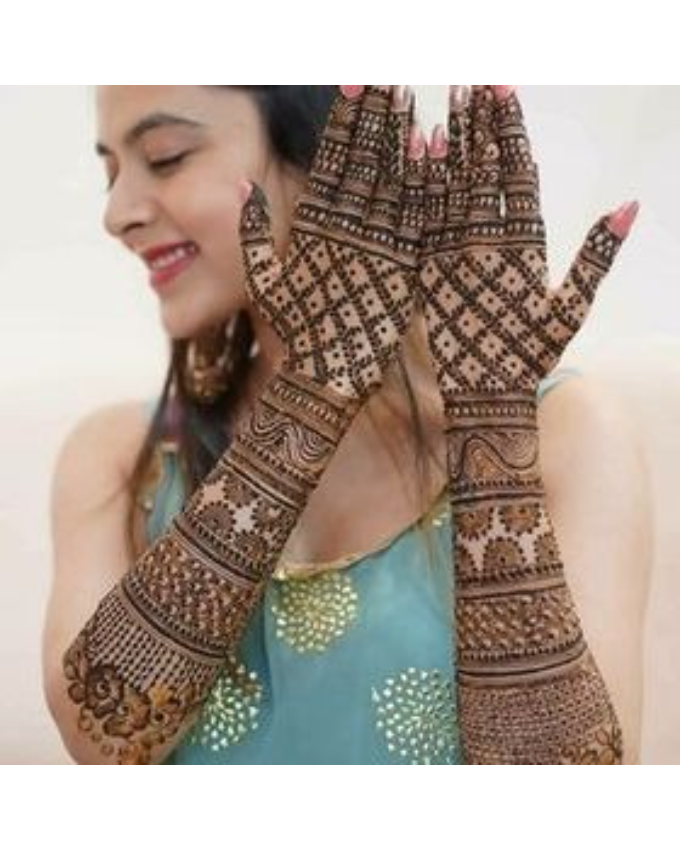
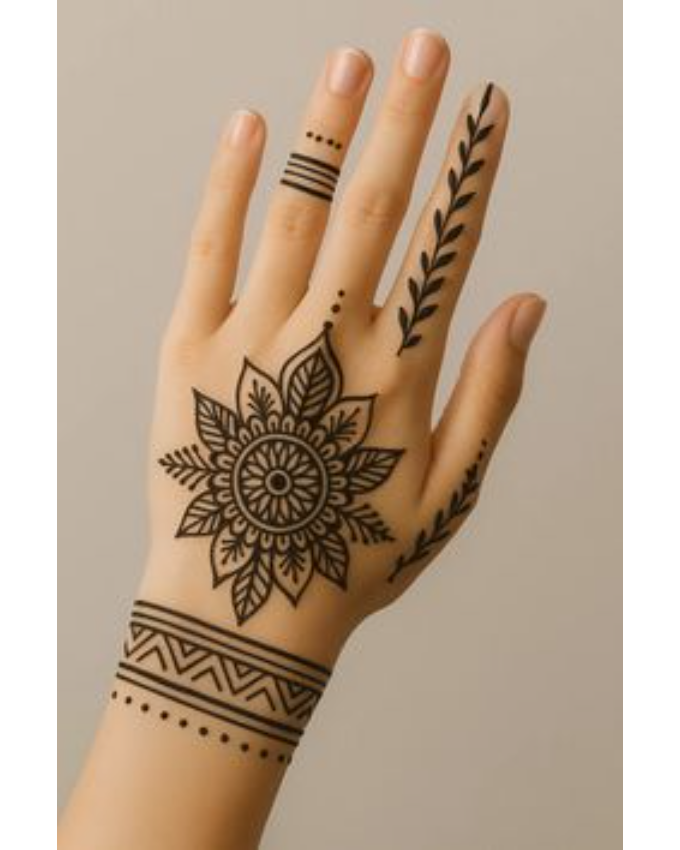
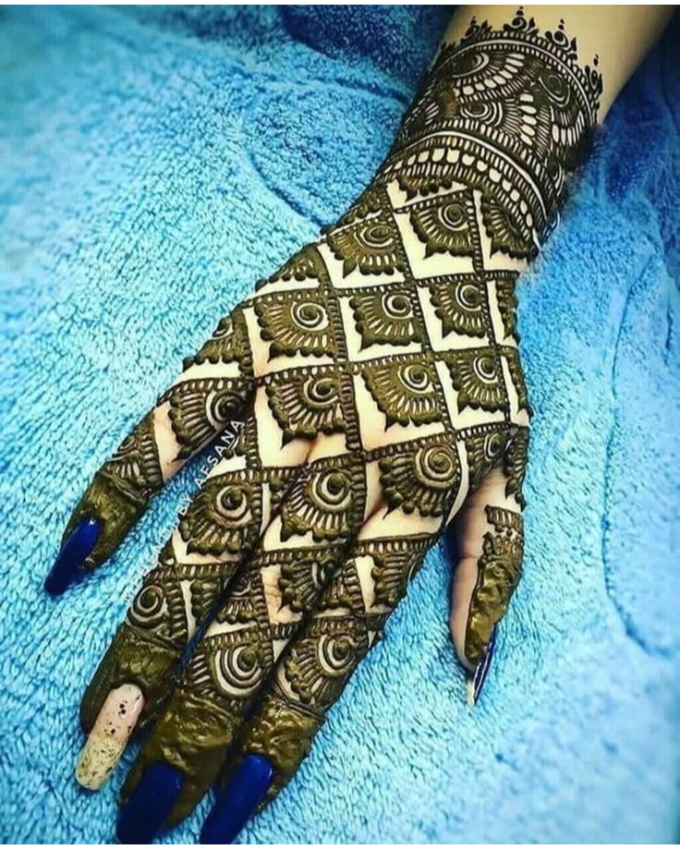
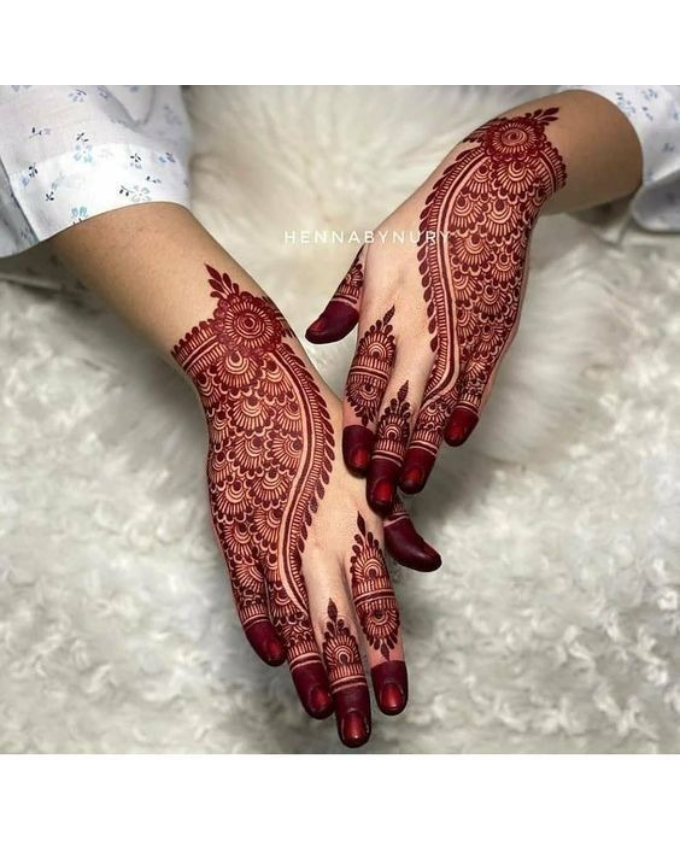
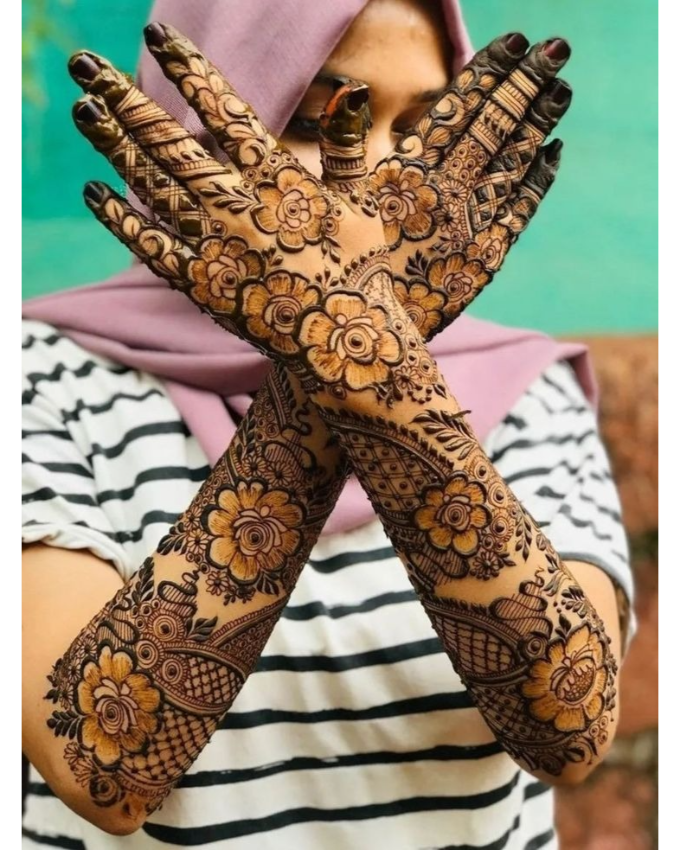
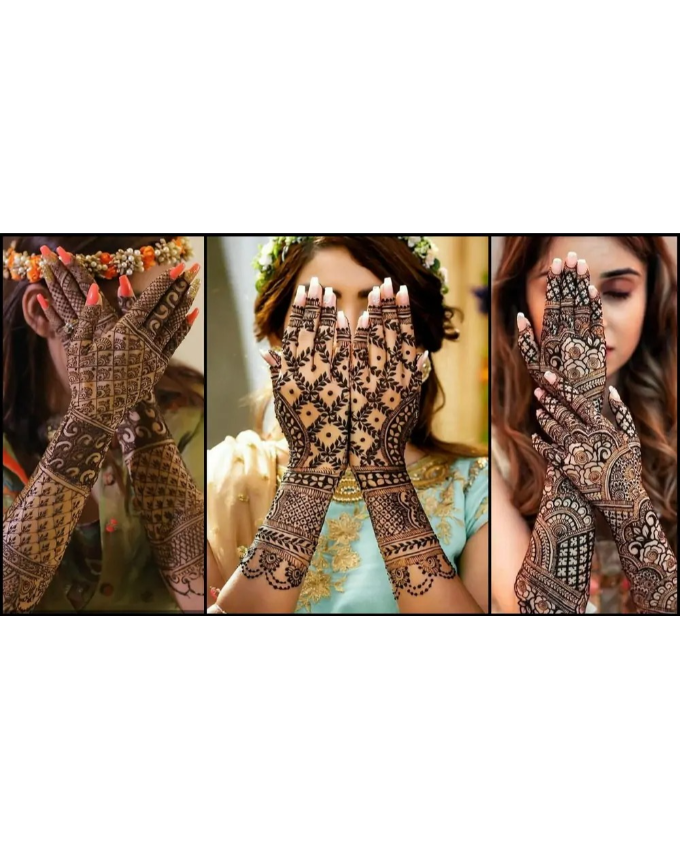
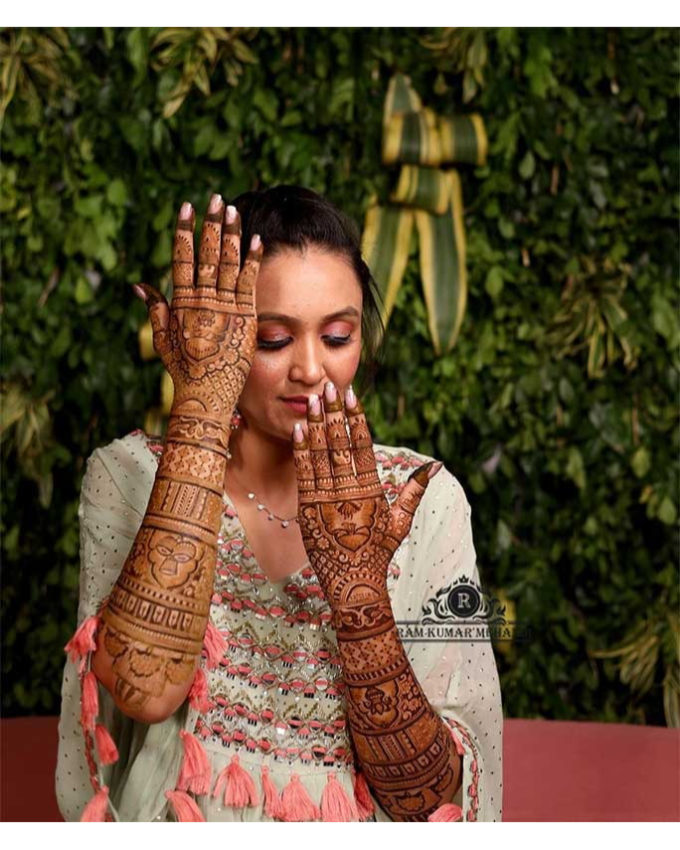
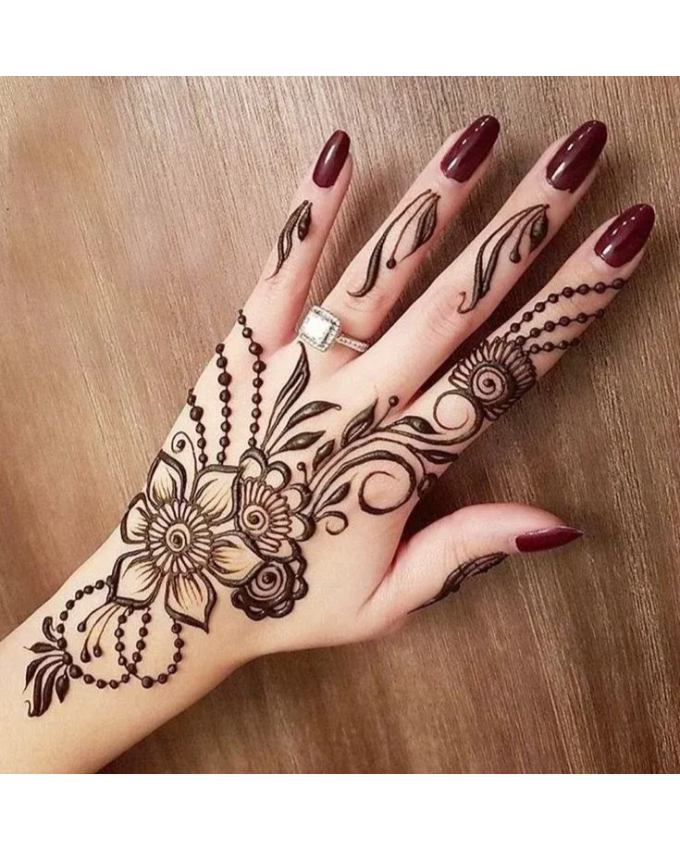
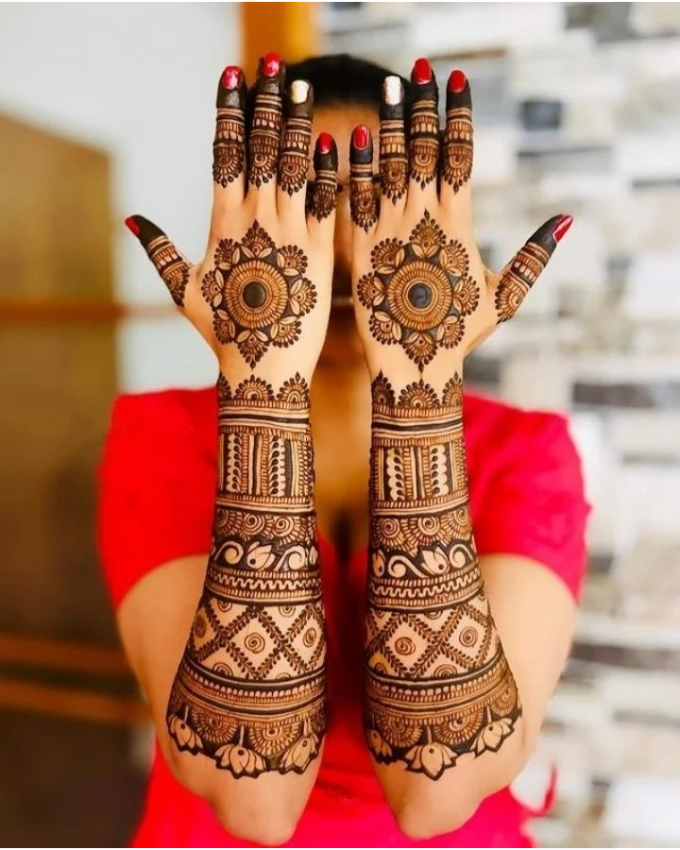
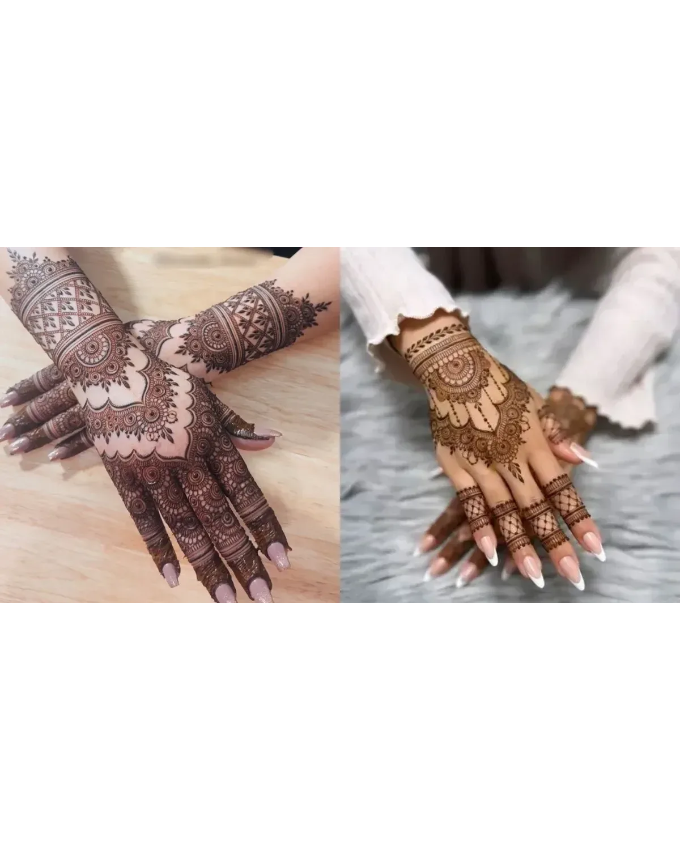
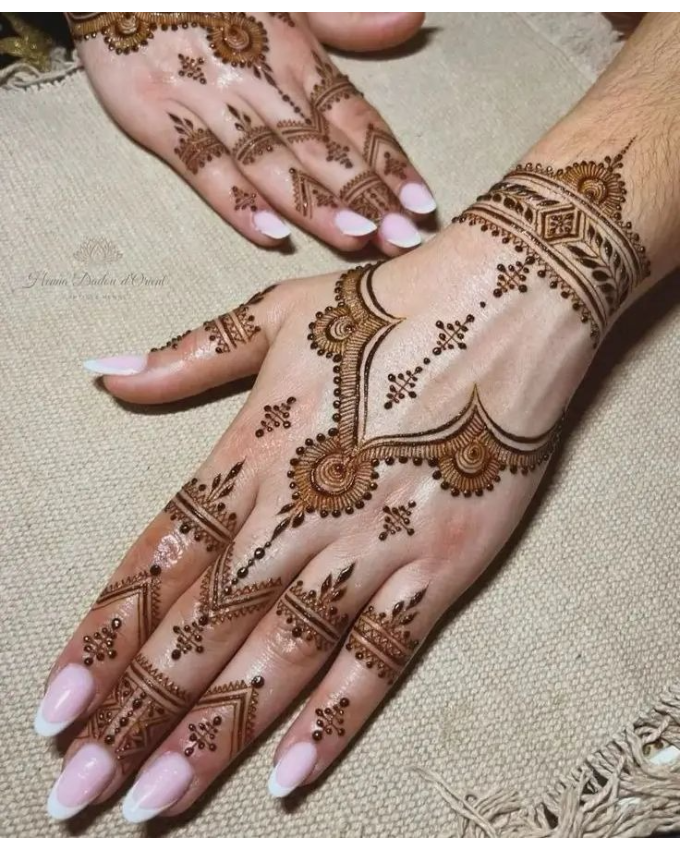
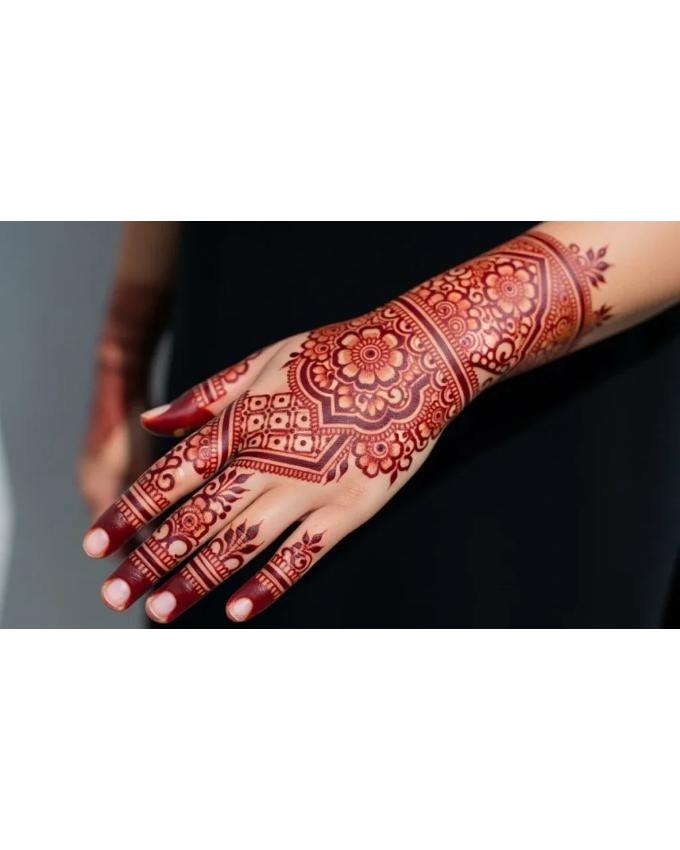
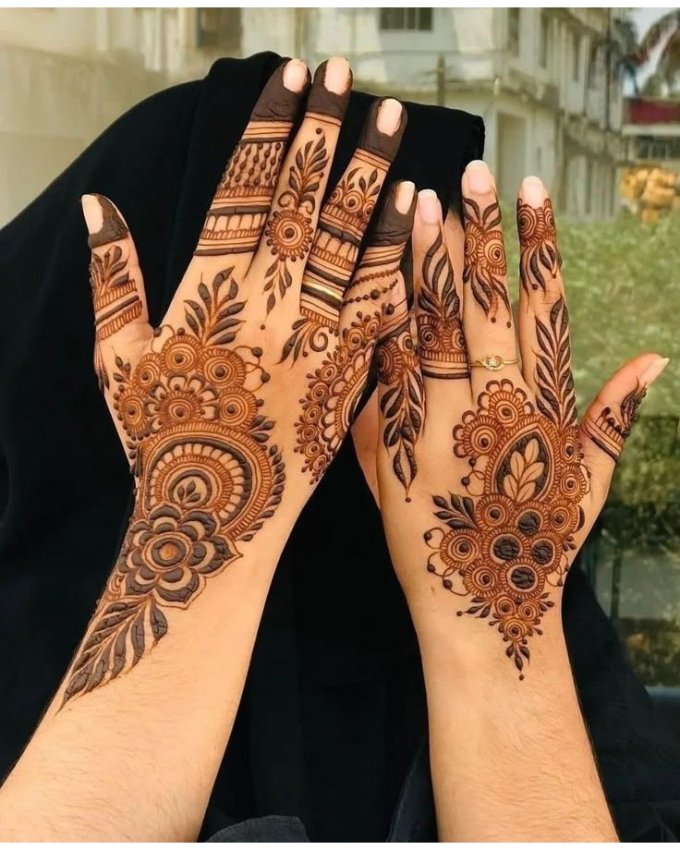
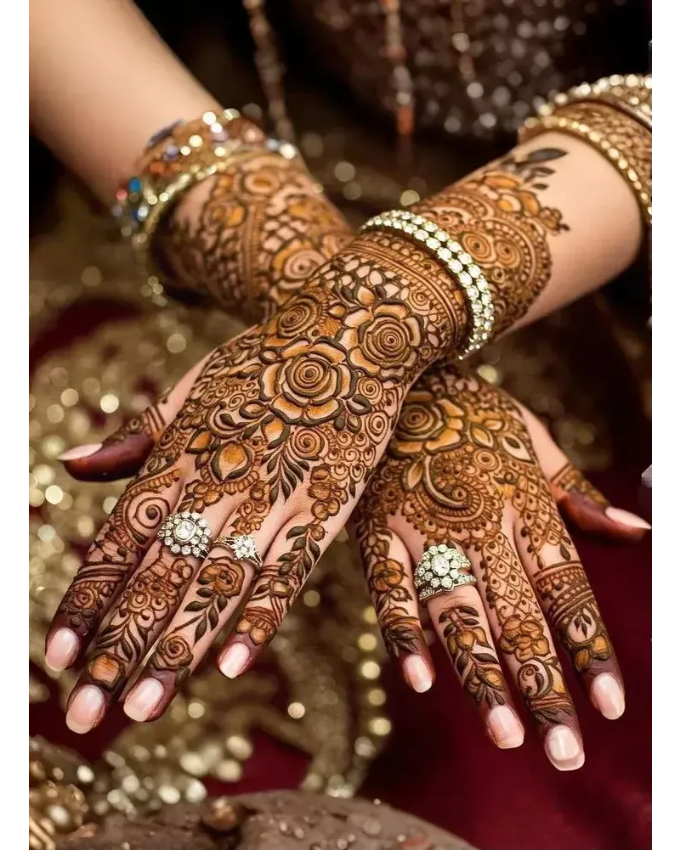
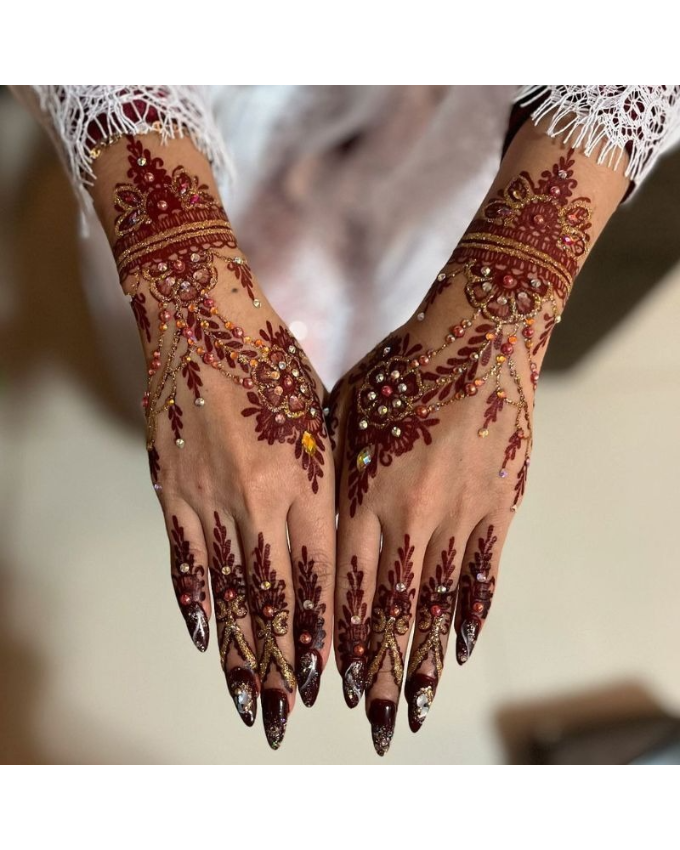
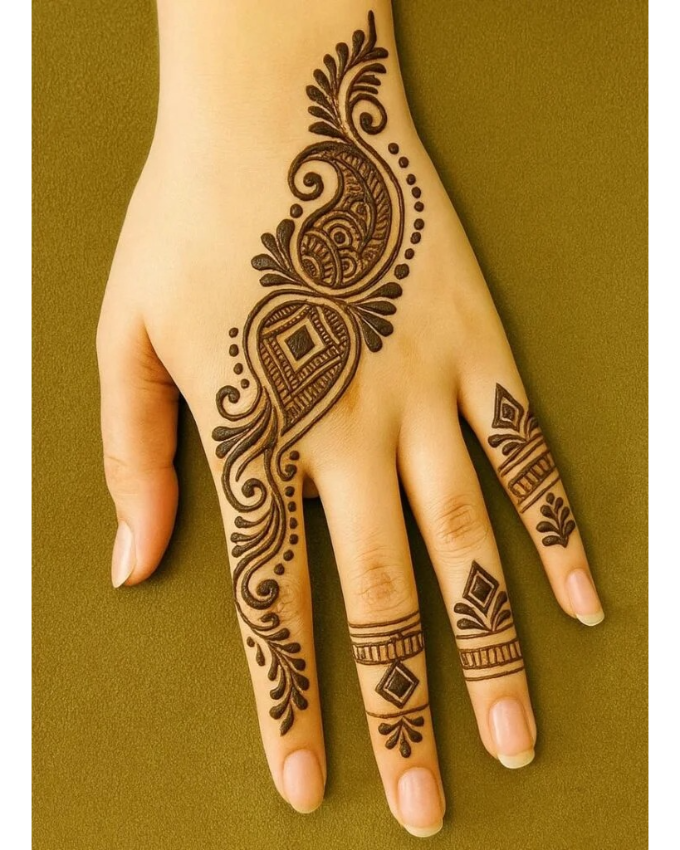
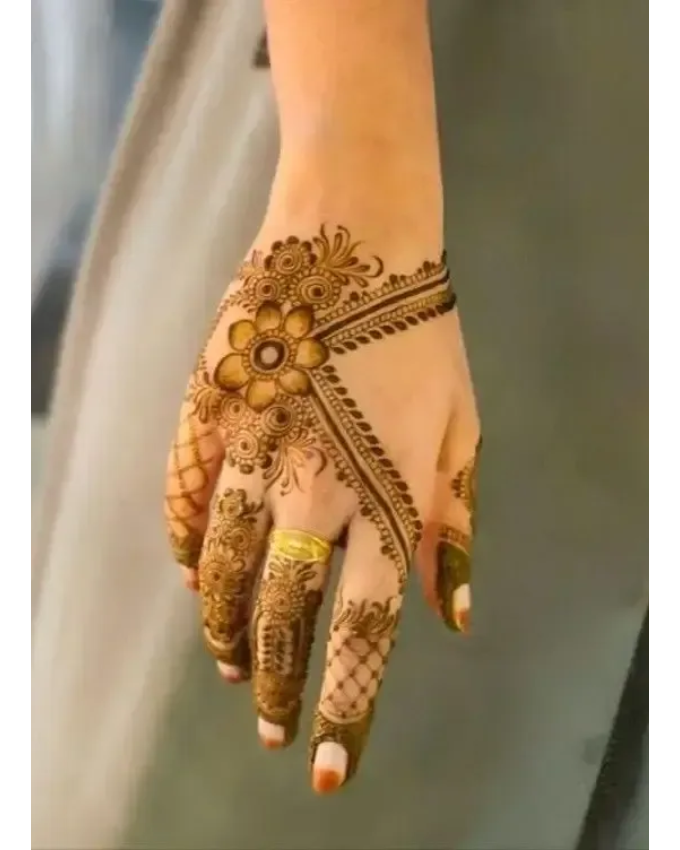
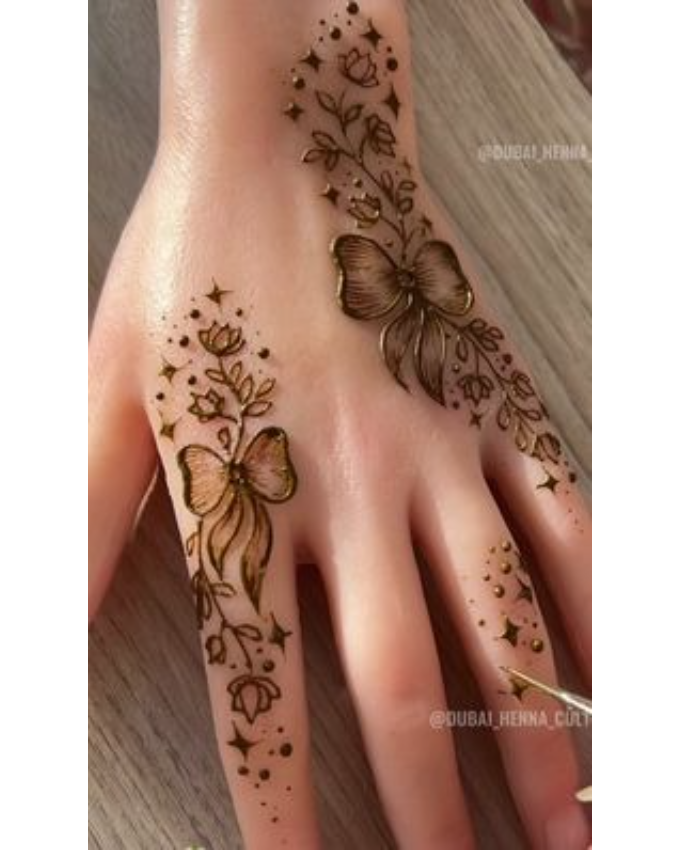
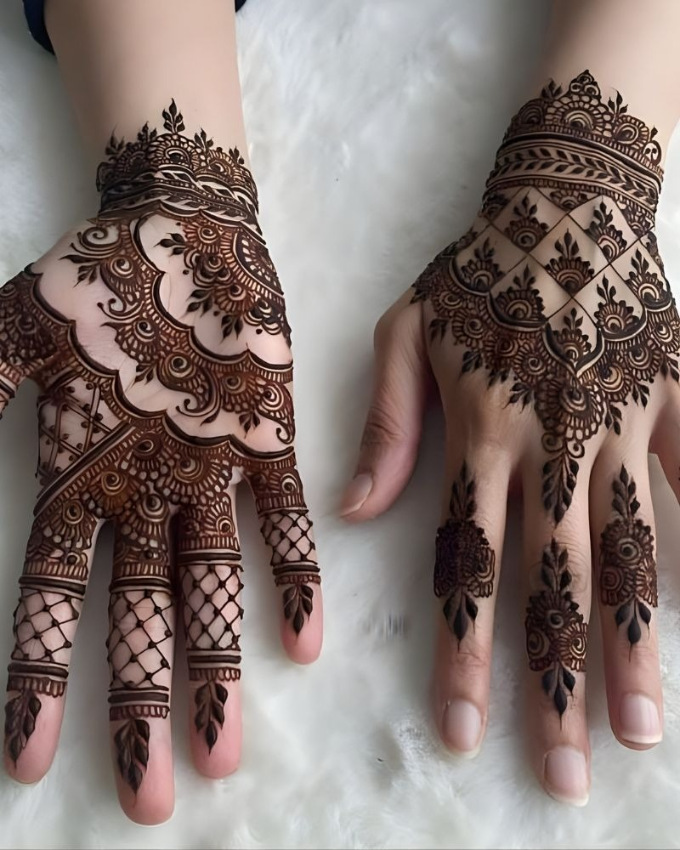
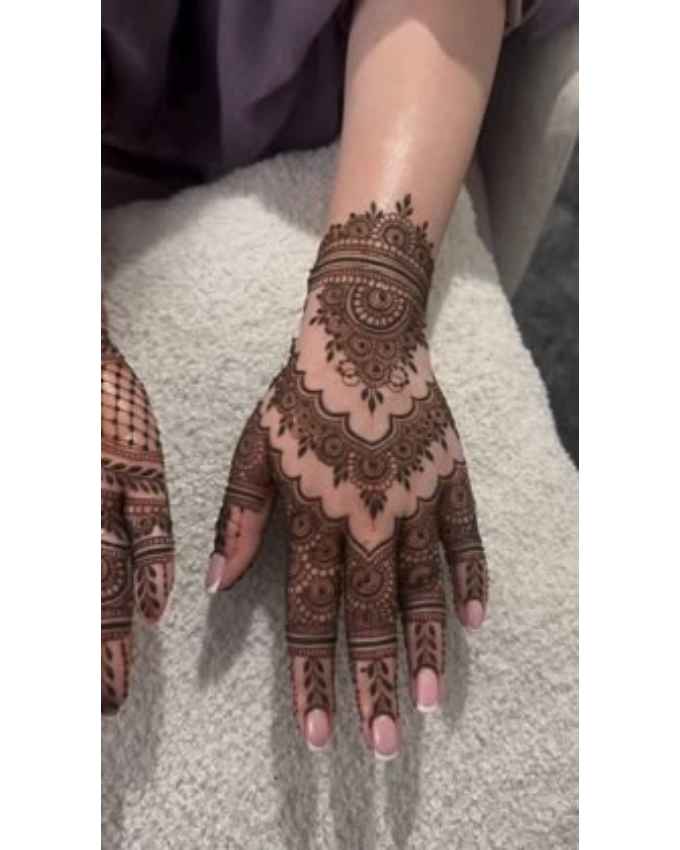
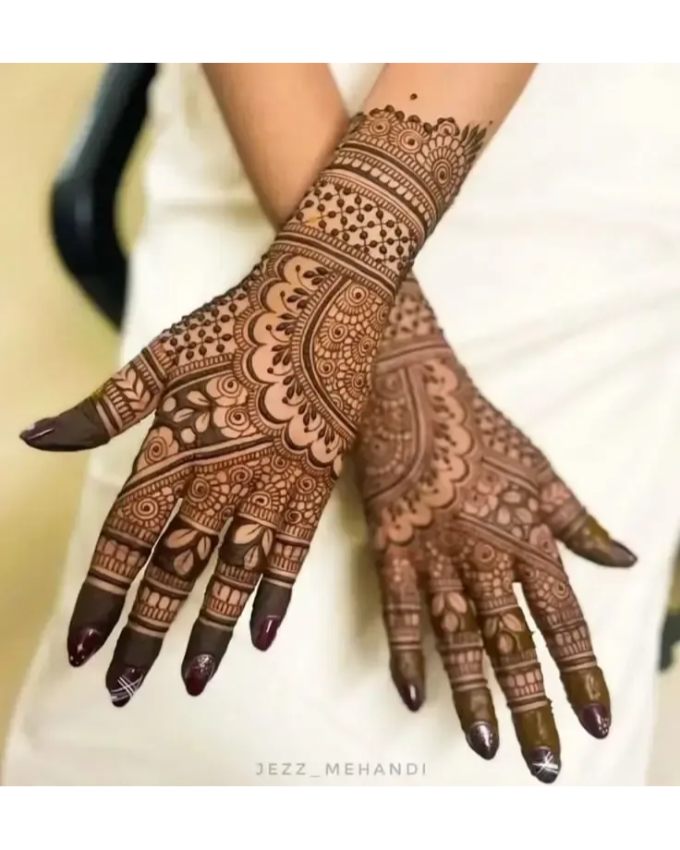
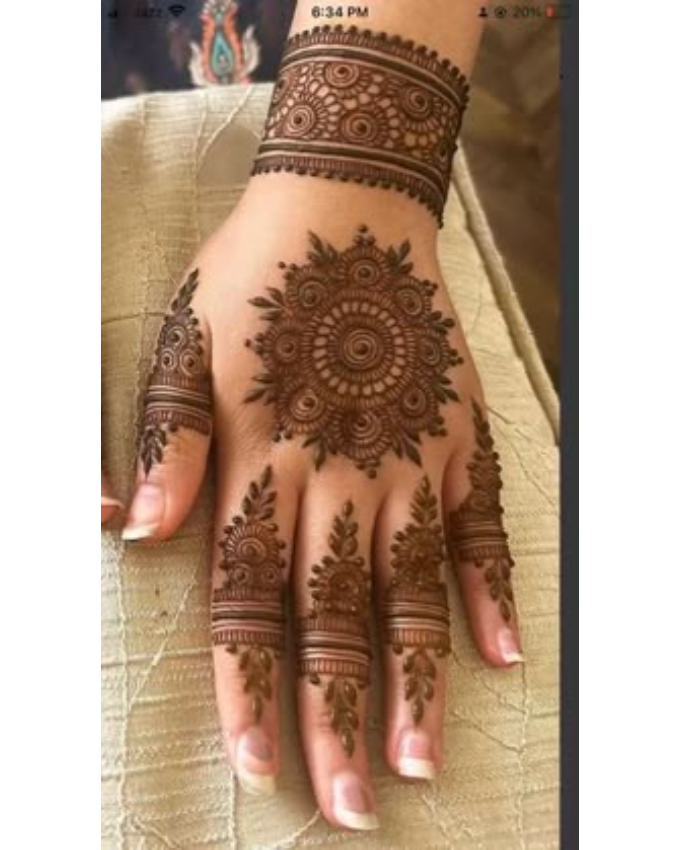
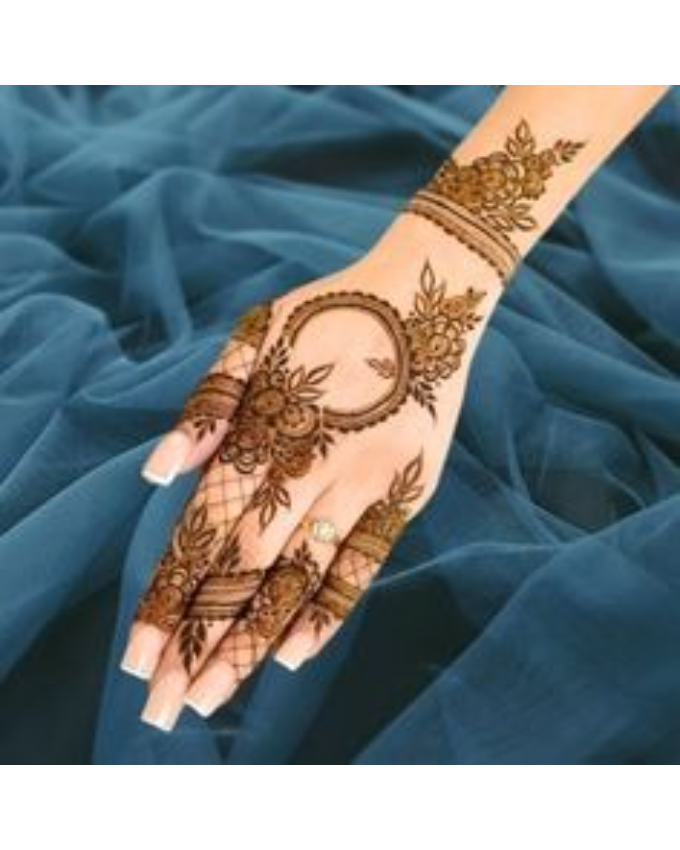
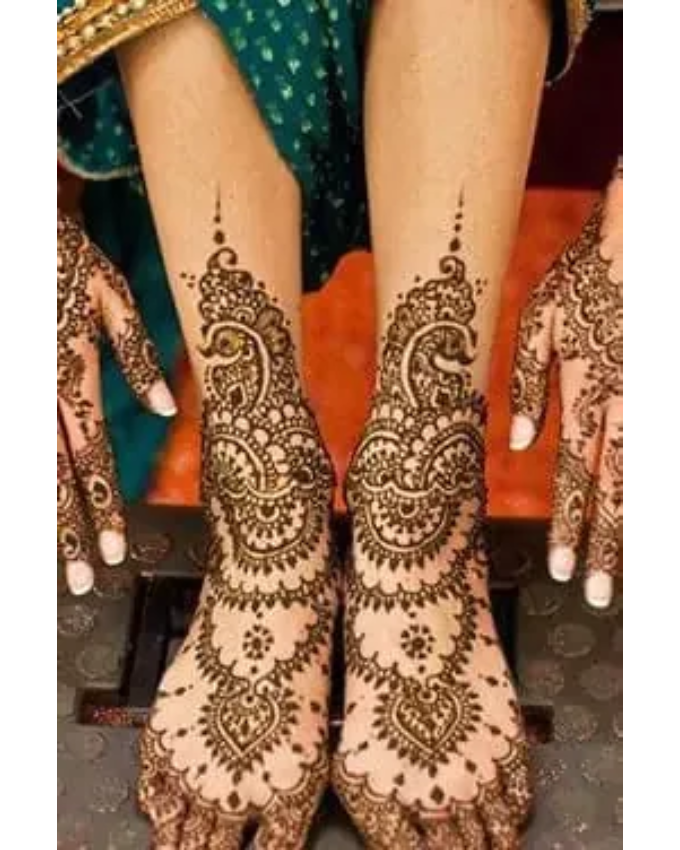
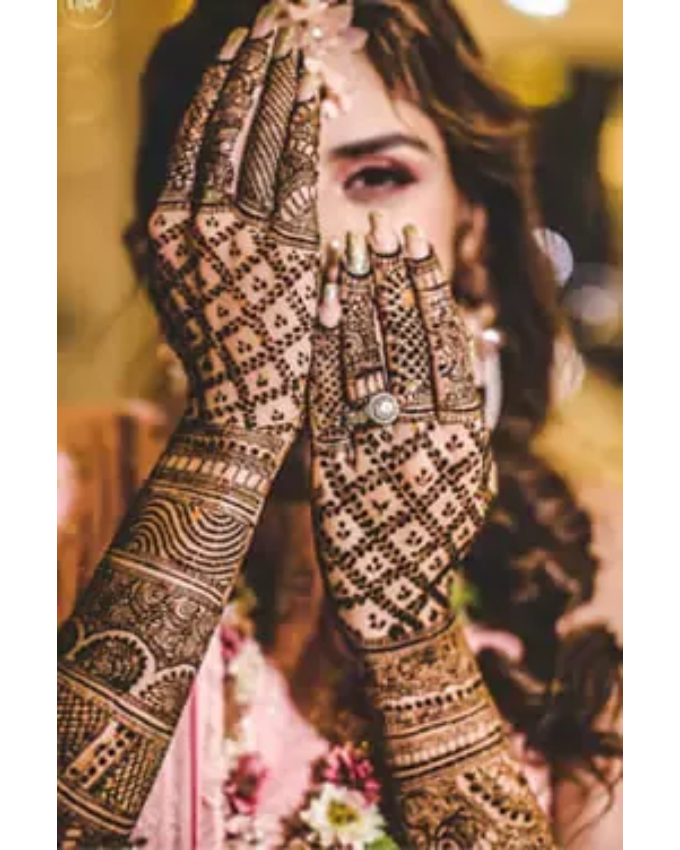
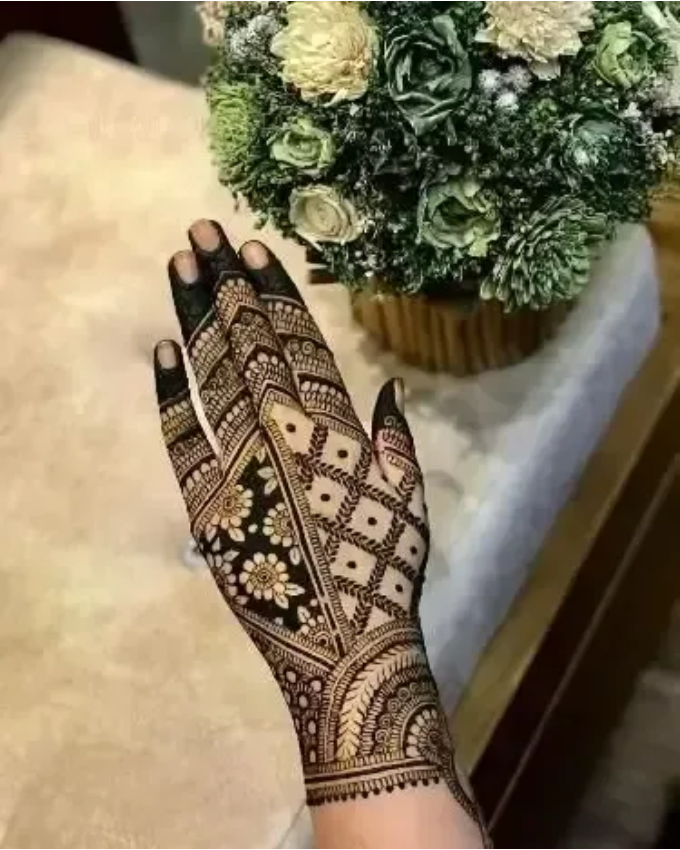
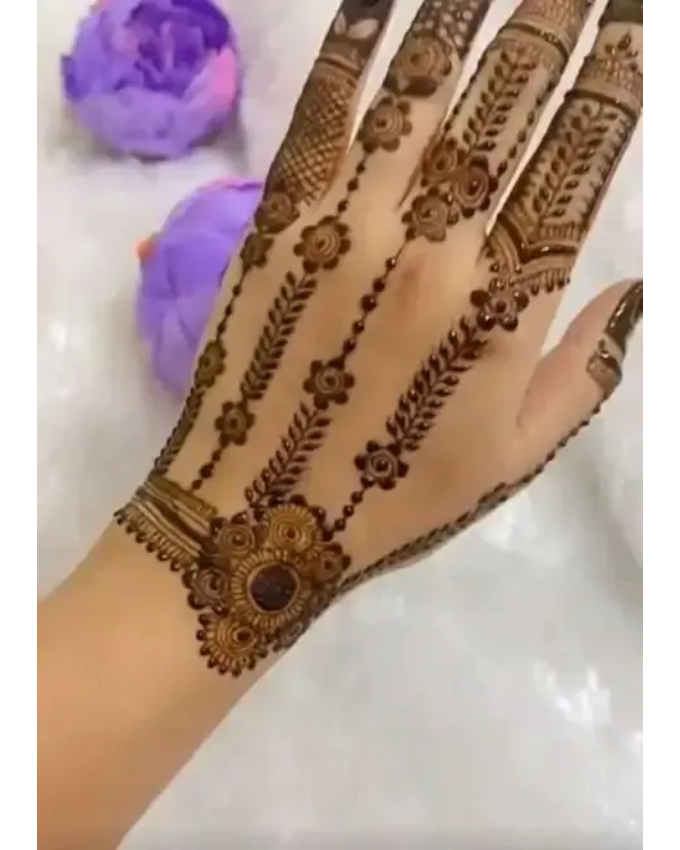
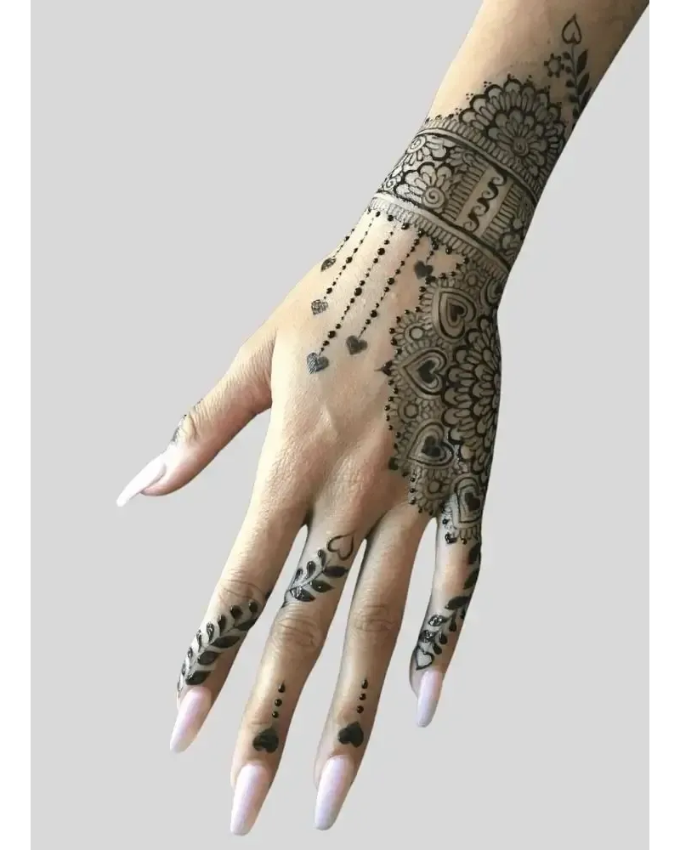
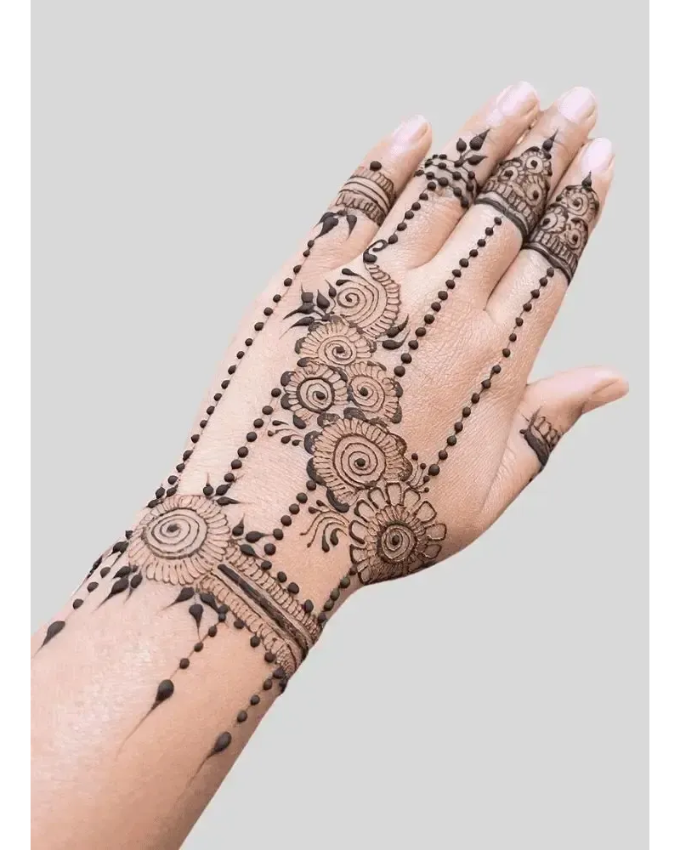
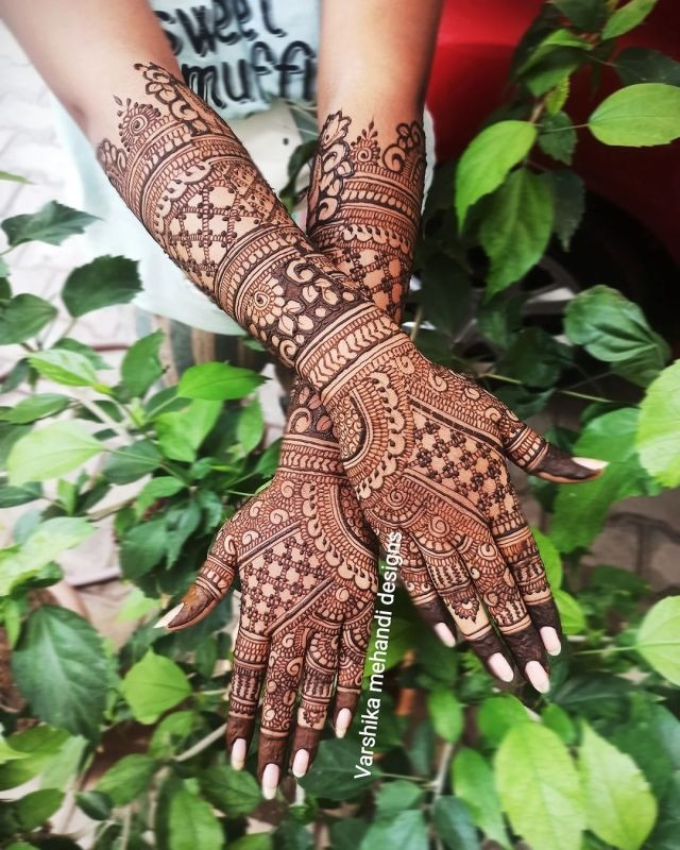
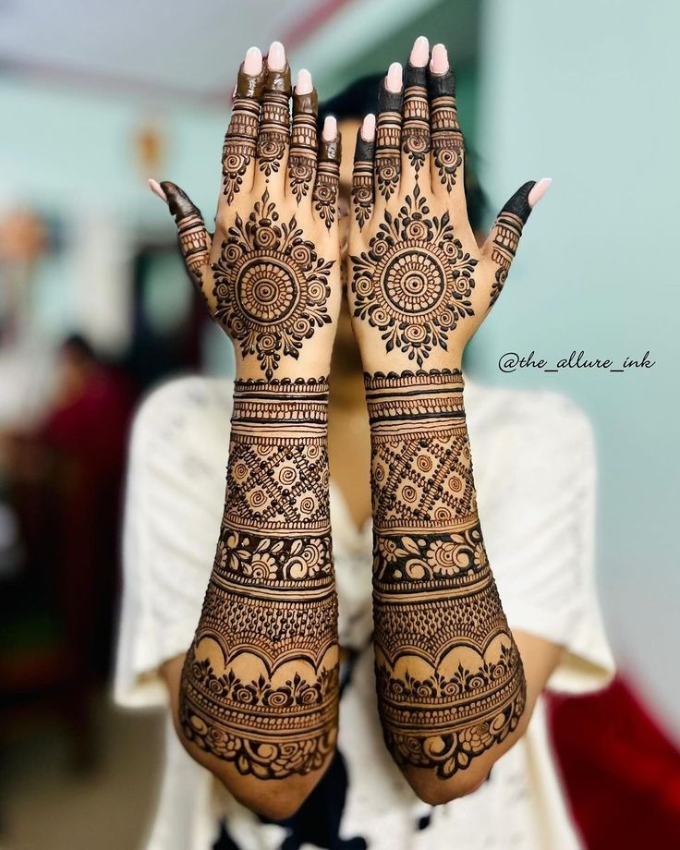
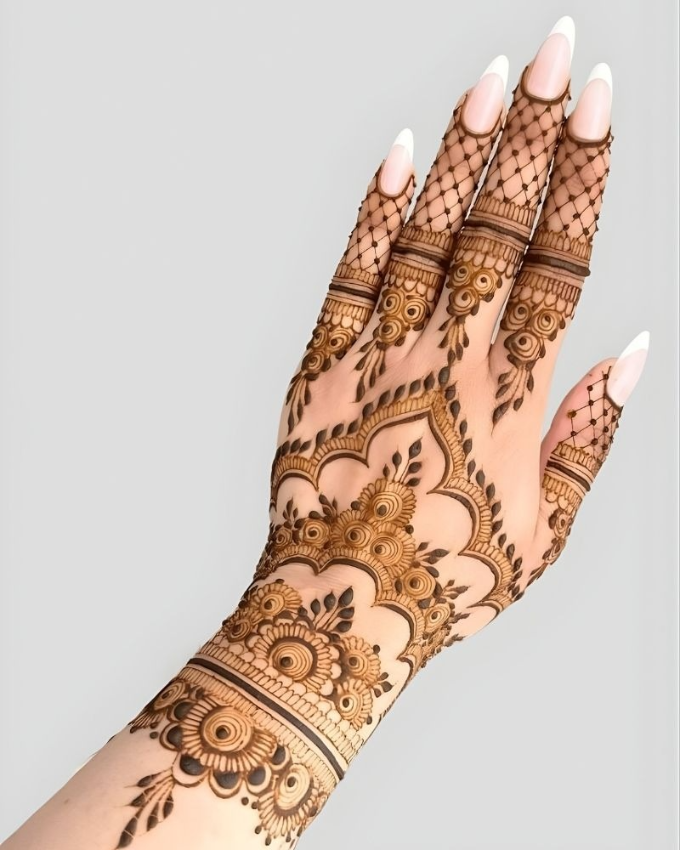
Beautiful Mehndi: Royal Front Hand Designs for Every Occasion
Different occasions call for different levels of mehndi coverage and intricacy. Here is a quick guide to choosing the right design:
Weddings & Bridal Ceremonies: Go for a full, dense royal front hand mehndi design with intricate detailing. A Punjabi or traditional Indian style covering both front and back hand works best.
Eid & Festive Occasions: An Arabic fusion or Indo-Arabic design is perfect — royal enough to stand out but quick to apply.
Casual & Everyday Style: A simple Instagram stylish royal front hand mehndi design with a central mandala and minimal finger work looks chic without being overwhelming.
Photoshoots & Social Media: Bold, high-contrast designs with unique elements like royal hand tattoo-style mehndi patterns photograph exceptionally well.
Royal Hand Tattoo Mehndi Design: A Modern Twist on Tradition
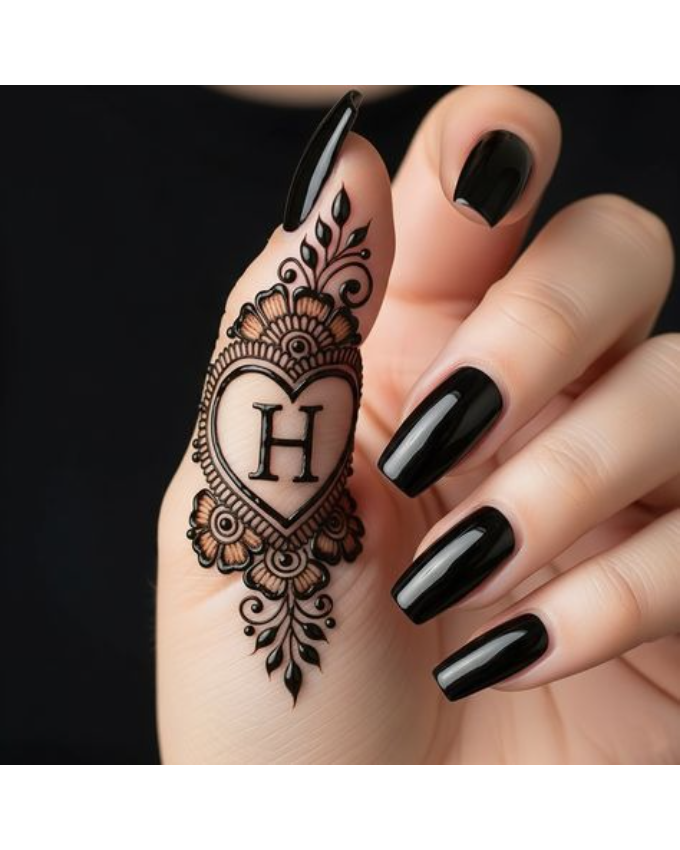
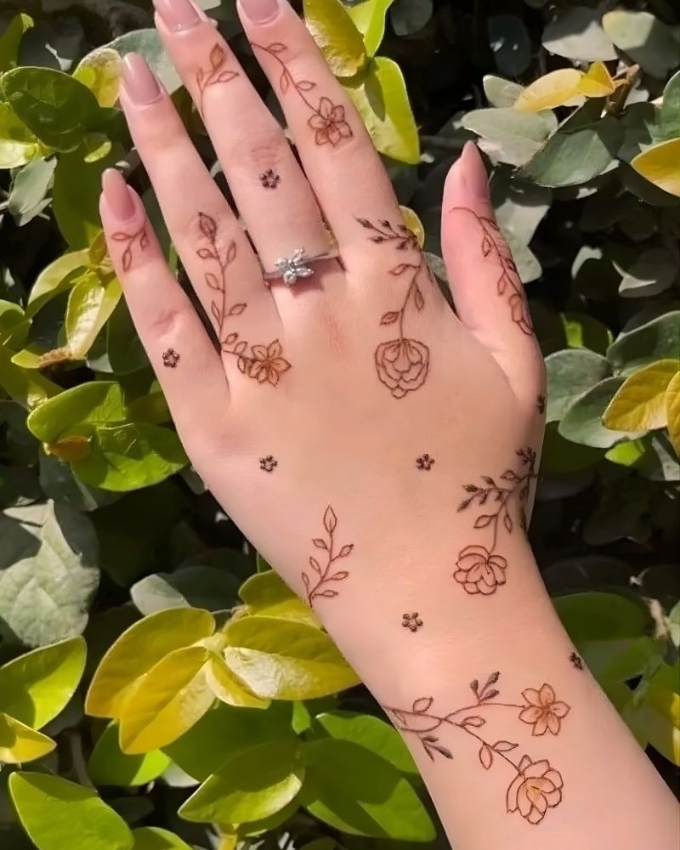
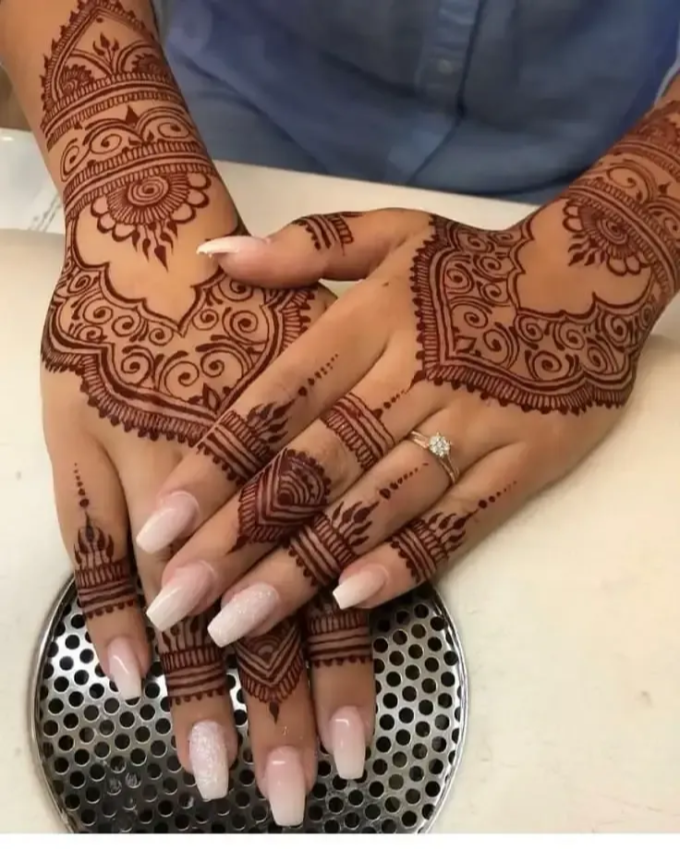
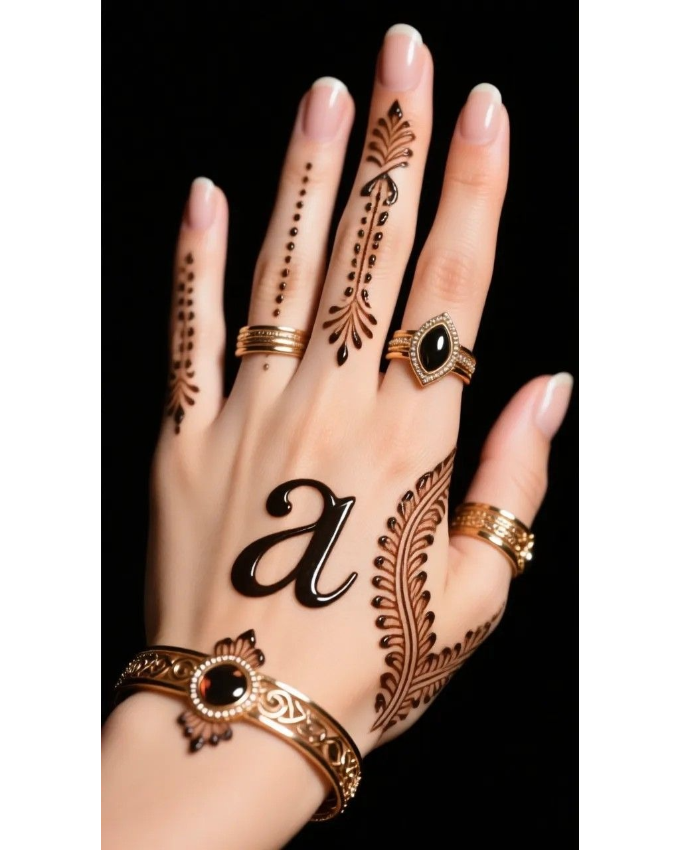
One of the most exciting developments in mehndi art is the rise of the royal hand tattoo mehndi design. These designs mimic the appearance of a permanent tattoo — using fine-line henna application techniques to create sharp, detailed patterns that look like real ink work. Popular motifs in this style include:
- Mandala patterns on the back of the hand or palm centre
- Feather and arrow designs along the fingers
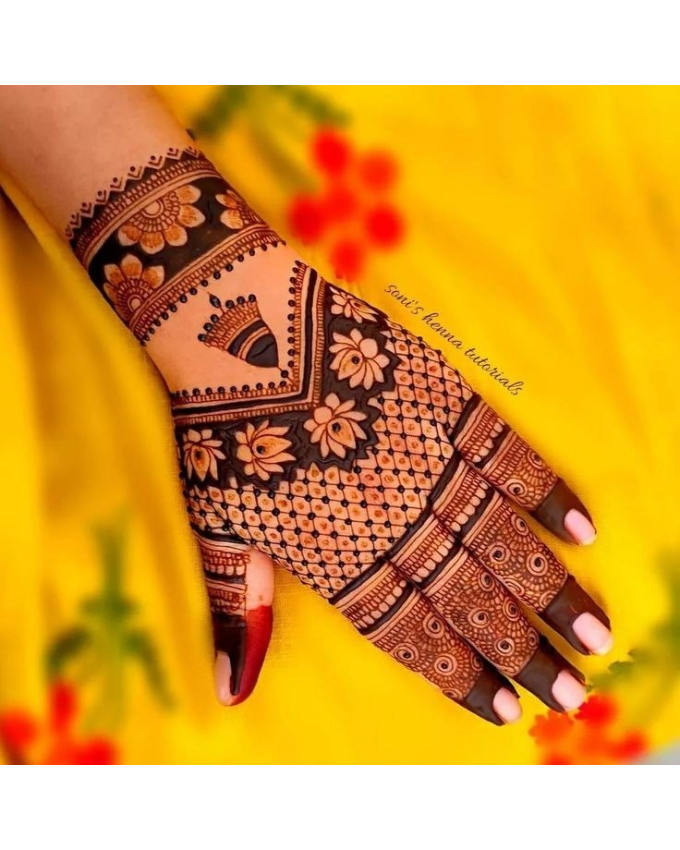
- Crown and royal insignia motifs at the wrist
- Geometric line work that follows the natural contours of the hand
- Fine botanical illustrations of leaves and flowers
The royal hand tattoo mehndi design appeals strongly to younger generations who want the aesthetic of a tattoo without the permanence. It also photographs incredibly well, making it a top choice for Instagram content creators and bridal photoshoot enthusiasts.
Stylish Back Hand Mehndi Design Ideas
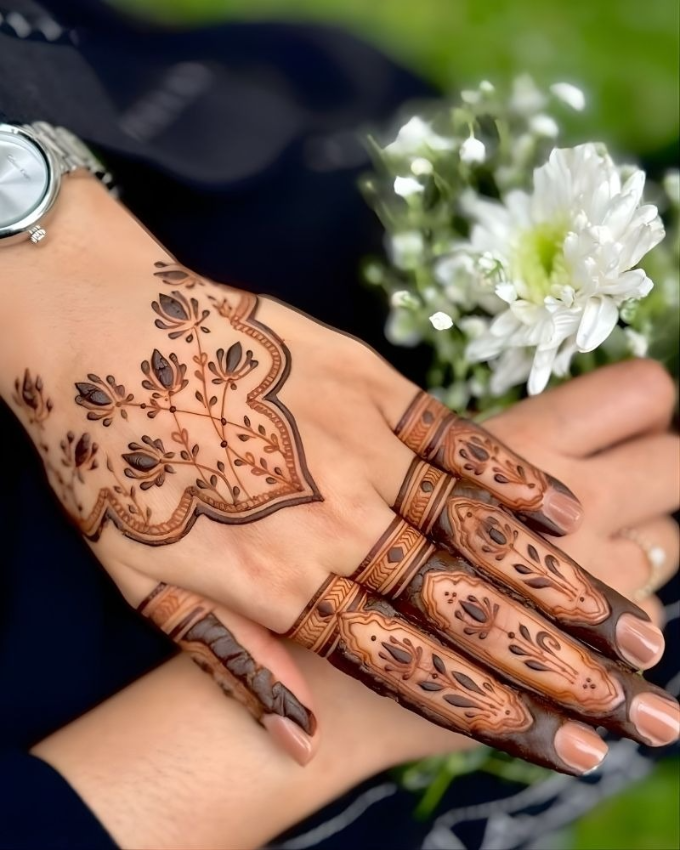
While the front hand is the star of most bridal mehndi sessions, the back hand deserves just as much attention. A well-done stylish back hand mehndi design completes the overall look and adds another dimension of beauty. Here are the most popular back hand mehndi styles:
Classic Floral Back Hand Design
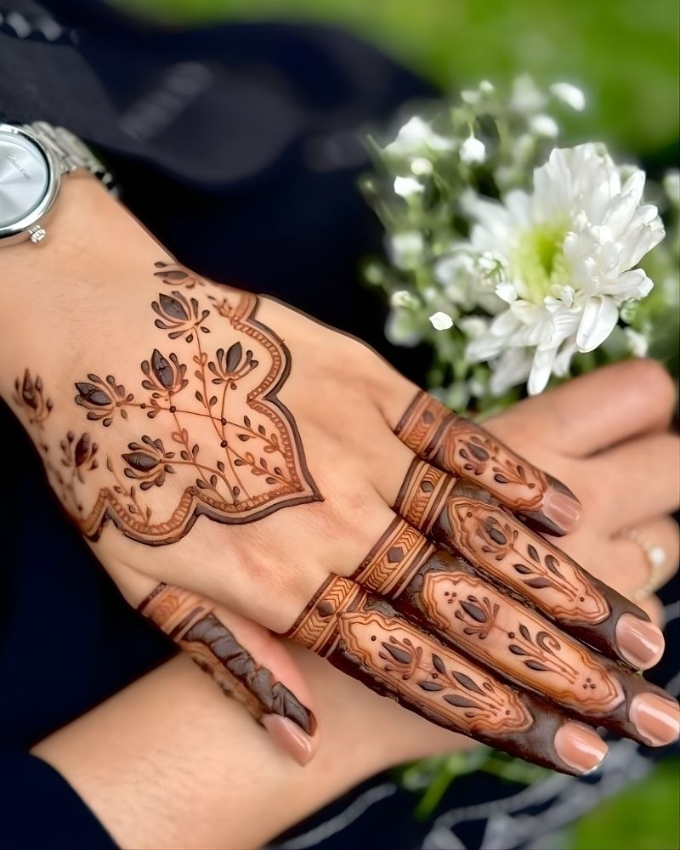
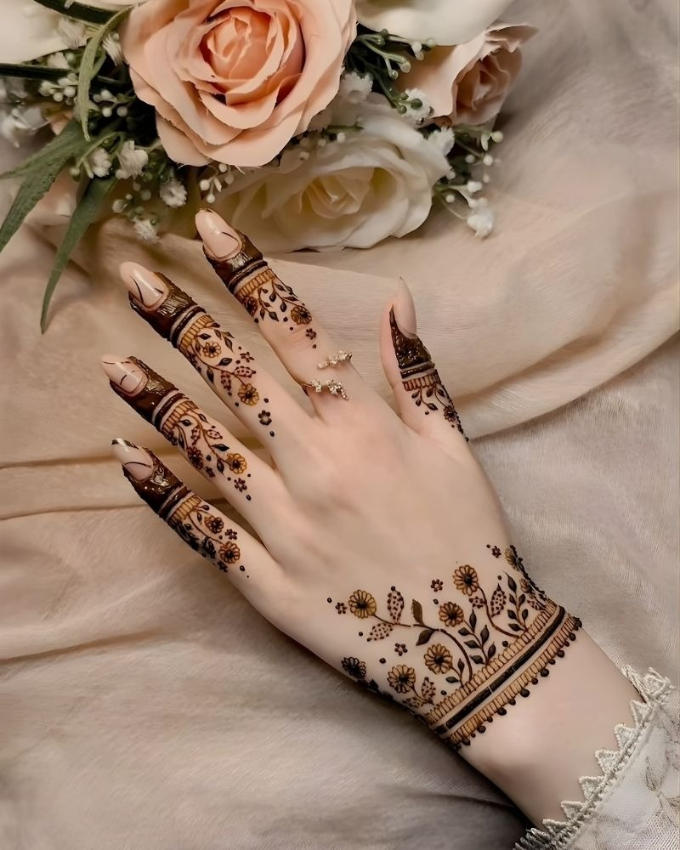
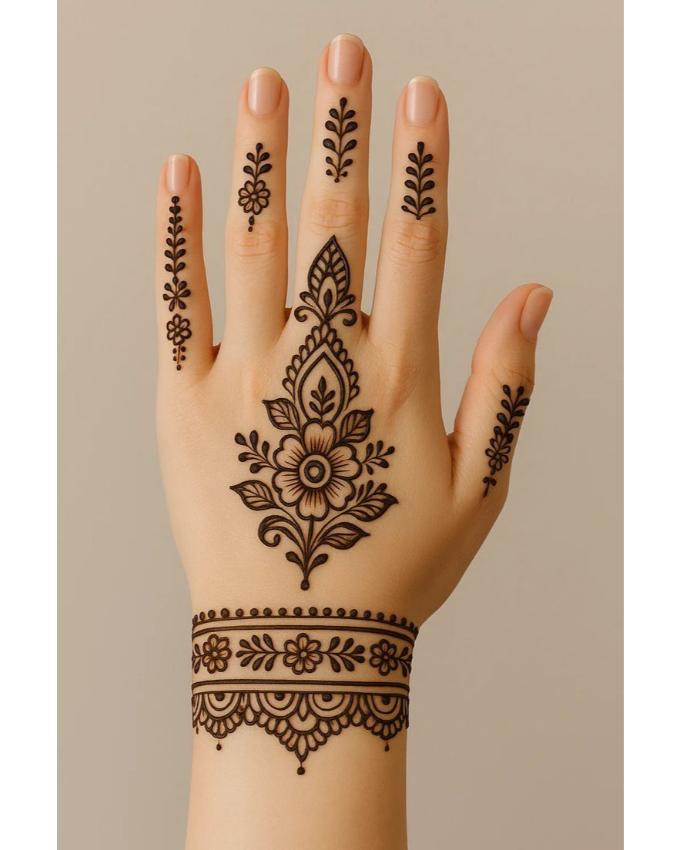
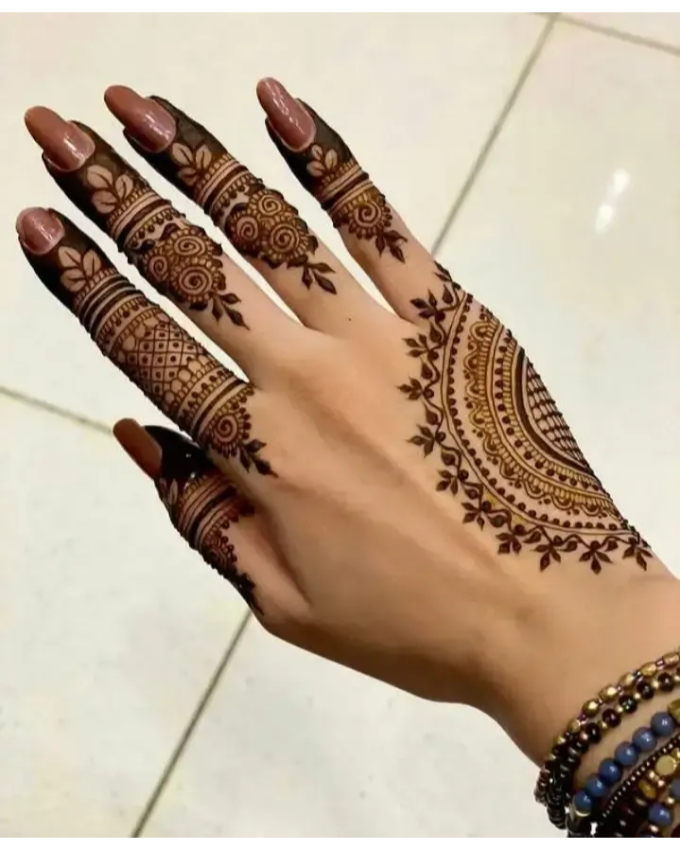
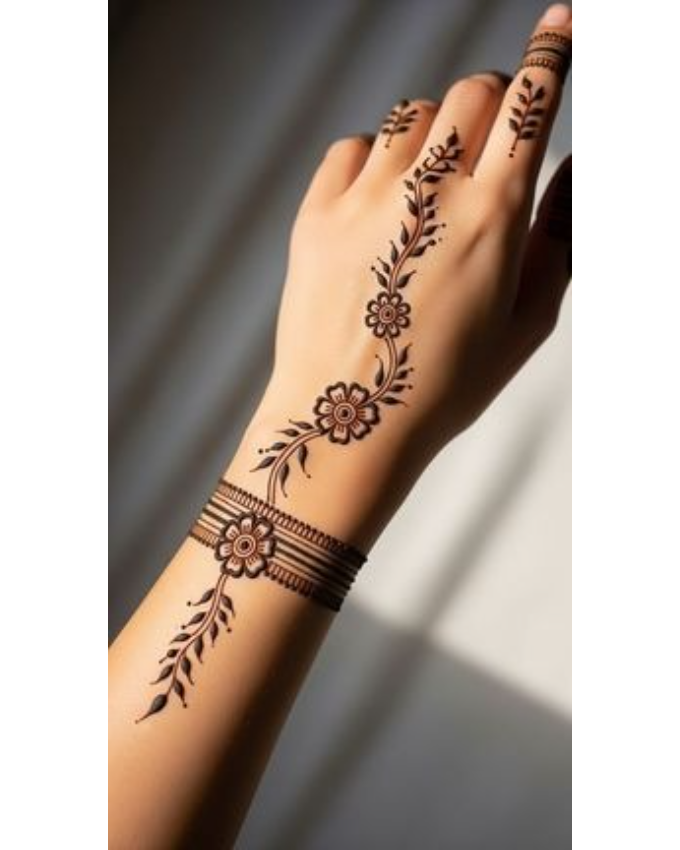
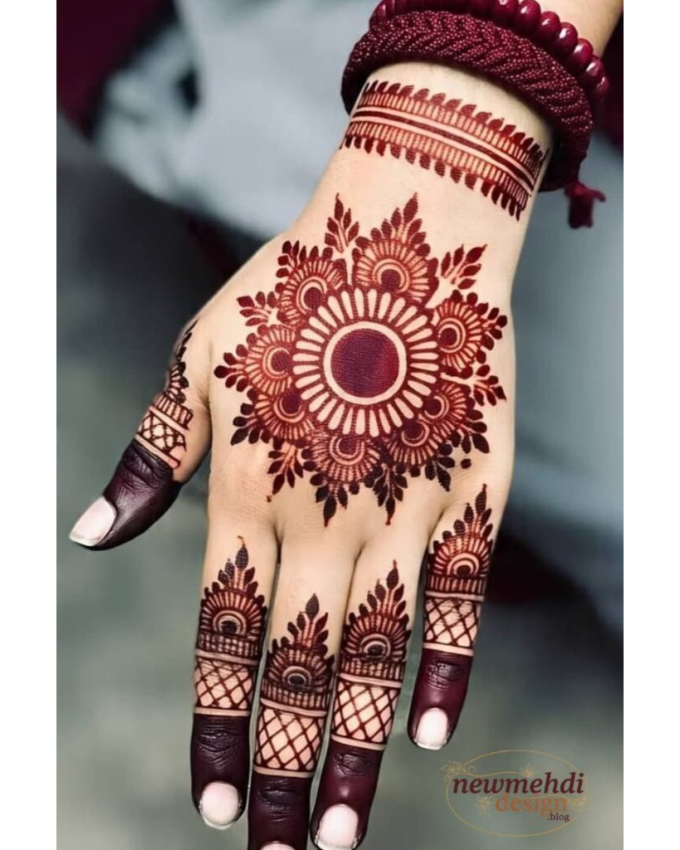
A large, detailed flower or mandala in the centre of the back hand, with vine trails extending toward each finger, is a timeless mehndi design for back hand. This style looks stunning when the henna dries dark and is a crowd favourite for its balanced, symmetrical beauty.
Easy Modern Back Hand Mehndi Design
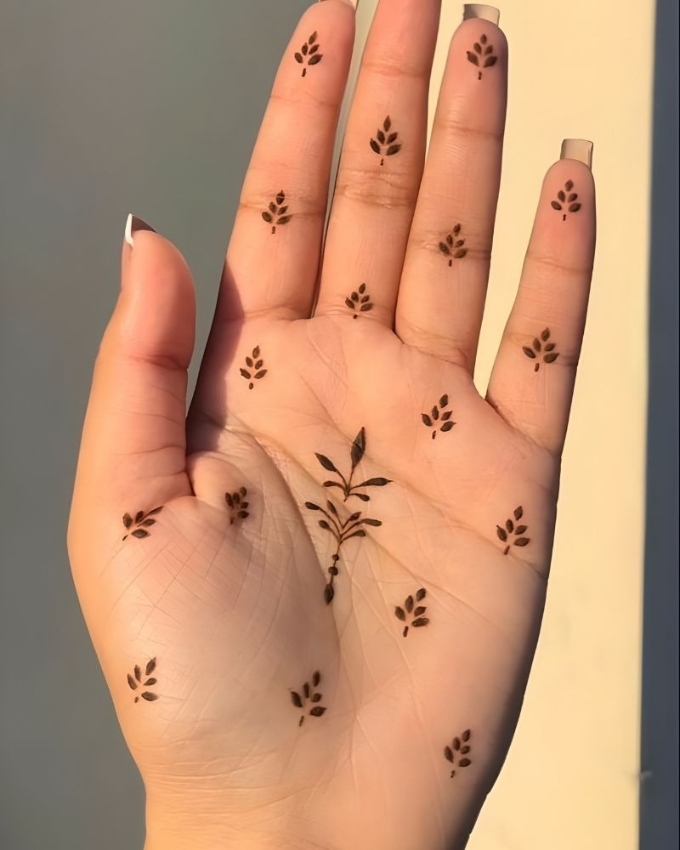
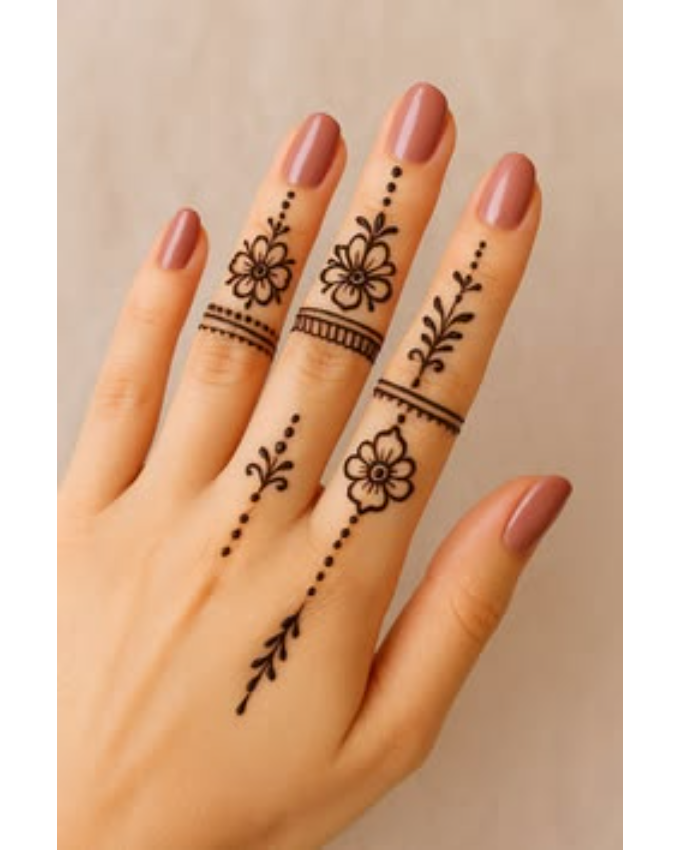
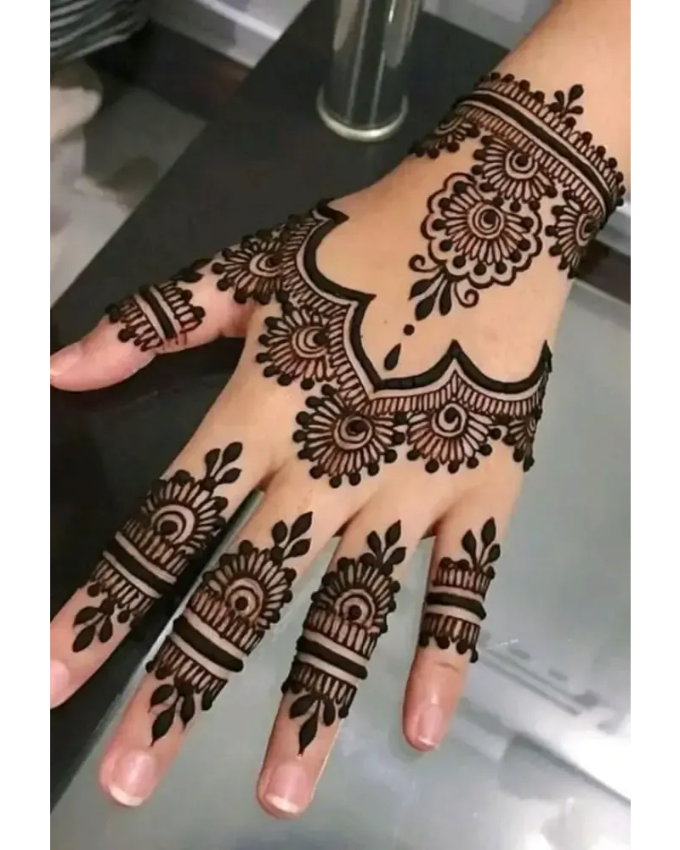
Not everyone has the time or patience for a full, elaborate design. An easy modern back hand mehndi design focuses on clean geometric patterns, simple mandala rings on select fingers, and a neat central motif. These designs typically take 20–30 minutes to apply and still deliver a polished, stylish result.
Great options for a back hand simple mehndi design include:
- A single large mandala centred on the back of the hand
- Diagonal vine work from the wrist to the middle finger
- Geometric triangle or hexagon pattern with minimal detail
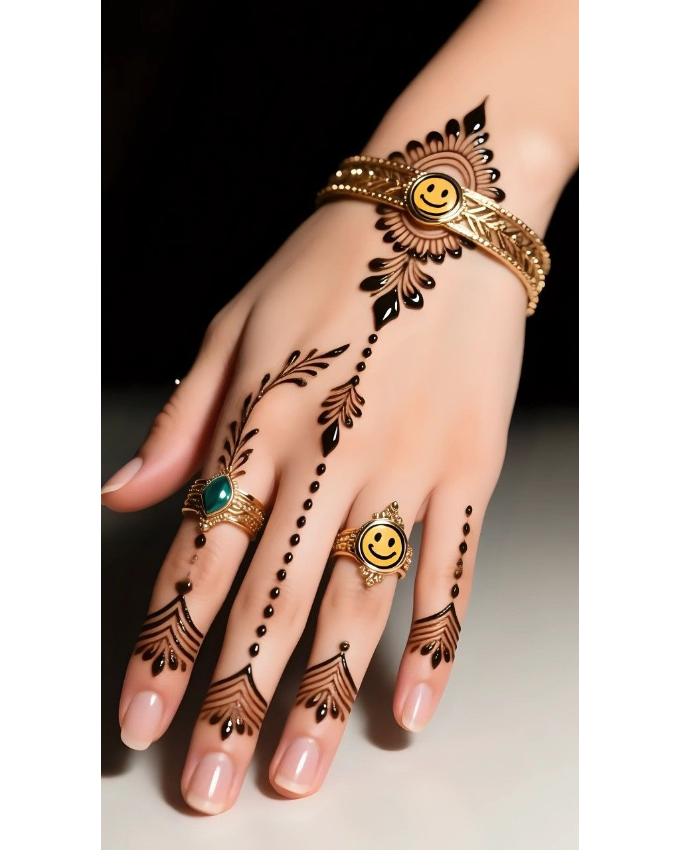
- Dotwork patterns that create a subtle yet beautiful texture
- Half-mehndi covering only three fingers and part of the palm
Stylish Full Hand Mehndi Design
For those who want maximum impact, a stylish full hand mehndi design covers both the front and back hand entirely, along with the fingers and sometimes extends to the forearm. A full hand design in the royal style is a true statement piece — ideal for brides, festival queens, and mehndi artists looking to showcase their finest work.
The key to a successful stylish full hand mehndi design is maintaining consistency — the patterns on the front and back hand should complement each other and flow seamlessly at the edges. Many artists create a unified theme such as an all-floral design, an all-geometric design, or a bridal story narrative that unfolds across both sides of the hand.
Tips for Getting the Perfect Royal Mehndi Design
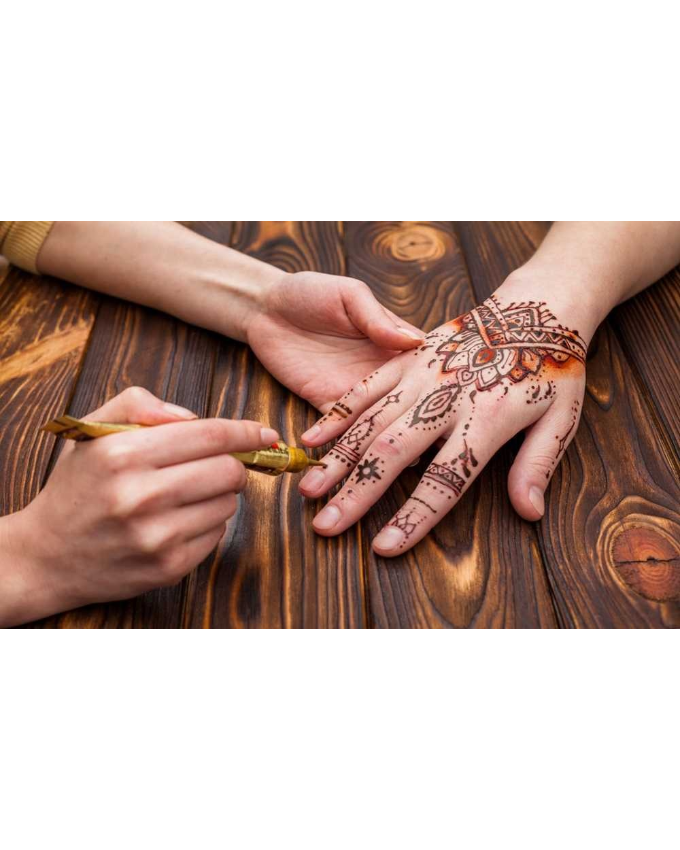
Choose a Skilled Artist: Royal mehndi art requires experience and a steady hand. Look at portfolios before booking an artist, paying attention to the fineness of their linework and the density of their fill patterns.
Prepare Your Skin: Clean, exfoliated, and moisturised skin absorbs henna more evenly and produces a deeper, longer-lasting stain.
Keep the Henna On Longer: For the richest, darkest colour, leave your mehndi paste on for at least 6–8 hours. Overnight is ideal for bridal designs.
Avoid Water Immediately After: Once the paste is scraped off, avoid washing the area for at least 12 hours to let the colour deepen fully.
Use Natural Henna: Always opt for 100% natural henna paste. Black henna contains harmful chemicals that can cause severe skin reactions.
Reference Images: Bring clear, high-quality photos of the royal front hand mehndi design you like so your artist understands exactly what you envision.
How to Find and Save Royal Mehndi Design Inspiration
The digital age has made mehndi inspiration incredibly accessible. Here is how to find the best royal front hand designs online:
- Follow mehndi artists on Instagram using hashtags like #royalmehndi, #bridalmehndi, and #mehndilove
- Search Pinterest for curated boards dedicated to royal and bridal henna designs
- Watch YouTube tutorials by professional mehndi artists to understand design techniques
- Join Facebook groups and WhatsApp communities dedicated to mehndi art in your region
- Save and categorise your favourite designs by occasion, style, and complexity
When searching for a simple Instagram stylish royal front hand mehndi design, use specific search terms that combine style (Arabic, Indian, Punjabi), placement (front hand, back hand, full hand), and occasion (bridal, Eid, casual) to find exactly what you’re looking for.
Caring for Your Mehndi After Application
A beautiful royal mehndi design deserves proper aftercare to maintain its intensity and longevity. A well-cared-for design can last between 10 to 21 days depending on skin type, henna quality, and care routine.
Apply a lemon-sugar mixture: Dab the dried paste with a cotton ball soaked in lemon juice and sugar to help the henna set and darken.
Avoid washing dishes or swimming: Prolonged exposure to water fades the design quickly.
Moisturise with natural oils: Coconut oil, mustard oil, or eucalyptus oil applied daily helps preserve the colour and keeps skin supple.
Avoid harsh chemicals: Hand sanitisers and soaps with strong detergents strip the henna colour faster. Use mild, moisturising soaps when washing hands.
Final Thoughts: Wear Your Royalty
A royal front hand mehndi design is more than just body art — it is a celebration of culture, femininity, and artistic tradition. Whether you opt for the intricate grandeur of a Punjabi bridal design, the flowing elegance of Arabic floral art, or the modern appeal of a royal hand tattoo mehndi design, the key is to choose a style that resonates with your personality and the occasion.
From the bold back hand simple mehndi designs to the elaborate stylish full hand mehndi designs, the spectrum of henna art is rich, diverse, and endlessly inspiring. With the right artist, quality natural henna, and proper aftercare, your mehndi will be a conversation-starter and a treasured memory of whatever special occasion brought you to it.
So go ahead — browse, get inspired, book that artist, and let the art of mehndi transform your hands into a masterpiece worthy of royalty.
Frequently Asked Questions
Q: How long does a royal mehndi design take to apply?
A: A full royal front hand mehndi design with intricate detailing can take anywhere from 1.5 to 4 hours depending on the complexity and the artist’s speed. Simpler designs may be completed in 30–60 minutes.
Q: What is the difference between front hand and back hand mehndi?
A: The front hand (palm side) typically features denser, more intricate work because the palm skin tends to absorb henna more deeply. The mehndi design for back hand is usually slightly more open and decorative in style, as the skin is thinner and the colour may not stain as deeply.
Q: Can I create a simple version of a royal mehndi design at home?
A: Absolutely. There are many easy modern back hand mehndi design tutorials available on YouTube and Instagram that break down complex patterns into step-by-step instructions. Start with a simple mandala or floral motif and build up your skill level gradually.
Q: How do I make my mehndi darker?
A: The two most important factors for dark mehndi colour are leaving the paste on for as long as possible (at least 6–8 hours) and keeping the applied area warm. After scraping the paste, apply a clove-infused oil or eucalyptus oil to the design and avoid water for 12–24 hours for the deepest stain.